Delhi air quality worsens ahead of Diwali as firework restrictions take effect
Delhi's air quality index reached 377 on Wednesday morning, placing it in the “very poor” category as firework restrictions took effect ahead of Diwali.
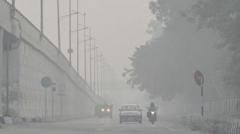
Delhi's air quality deteriorated ahead of Diwali, with the city's air quality index standing at 377 on Wednesday morning, according to BBC Science. The reading put the Indian capital in the “very poor” category as restrictions on fireworks took effect before the festival.
The figure provides a snapshot of conditions at a time when the use of fireworks is drawing attention to air pollution. The supplied report does not specify the monitoring location or whether the reading represents a citywide average, limiting how precisely it can describe conditions across Delhi.
Air quality indices translate pollution measurements into categories intended to help the public understand the condition of the air. A “very poor” classification signals a substantial pollution concern, although the reported index value alone does not identify which pollutants were driving the reading or how their concentrations varied between neighbourhoods.
The timing puts the focus on fireworks because their smoke can add particles and other pollutants to the air. However, the information provided does not establish how much fireworks contributed to Wednesday's reading, and the proximity of Diwali should not be treated as evidence that a single activity caused the deterioration.
Restrictions on fireworks are relevant because limiting an additional source of emissions can matter when air quality is already poor. The supplied material does not describe the rules' precise scope, their duration, any exemptions or the arrangements for enforcement, so it does not establish what activities remain permitted.
For residents, the significance extends beyond visibility or the appearance of smoke: polluted air can pose health risks, particularly for people with existing heart or lung conditions. Children and older people can also be more vulnerable, though the report provides no information about illnesses, hospital visits or other measured health effects associated with this episode.
The Wednesday morning figure cannot, by itself, show whether the deterioration will persist through the festival or how effective the restrictions will be. Air pollution levels can change with emissions and weather conditions, making subsequent measurements important for distinguishing a temporary fluctuation from a sustained period of poor air quality.
The immediate issue is therefore both the existing pollution burden and whether conditions worsen as Diwali approaches. Further monitoring and details from the authorities about the firework restrictions would help clarify the outlook; the available report establishes the “very poor” reading but offers no forecast or assessment of the measures' results.
Primary source: BBC Science. Newzly rewrites and structures source reporting for clarity; verify critical details at the original.