Delhi and Bihar Sign Pact to Operate Buses on 18 Inter-State Routes
The governments of Delhi and Bihar have signed a reciprocal transport pact to launch regular bus services across 18 inter-state routes, easing travel for millions of migrants and festive travelers.
In this piece
Delhi and Bihar have signed a reciprocal transport agreement to operate year-round inter-state bus services across 18 designated routes connecting 13 districts.…
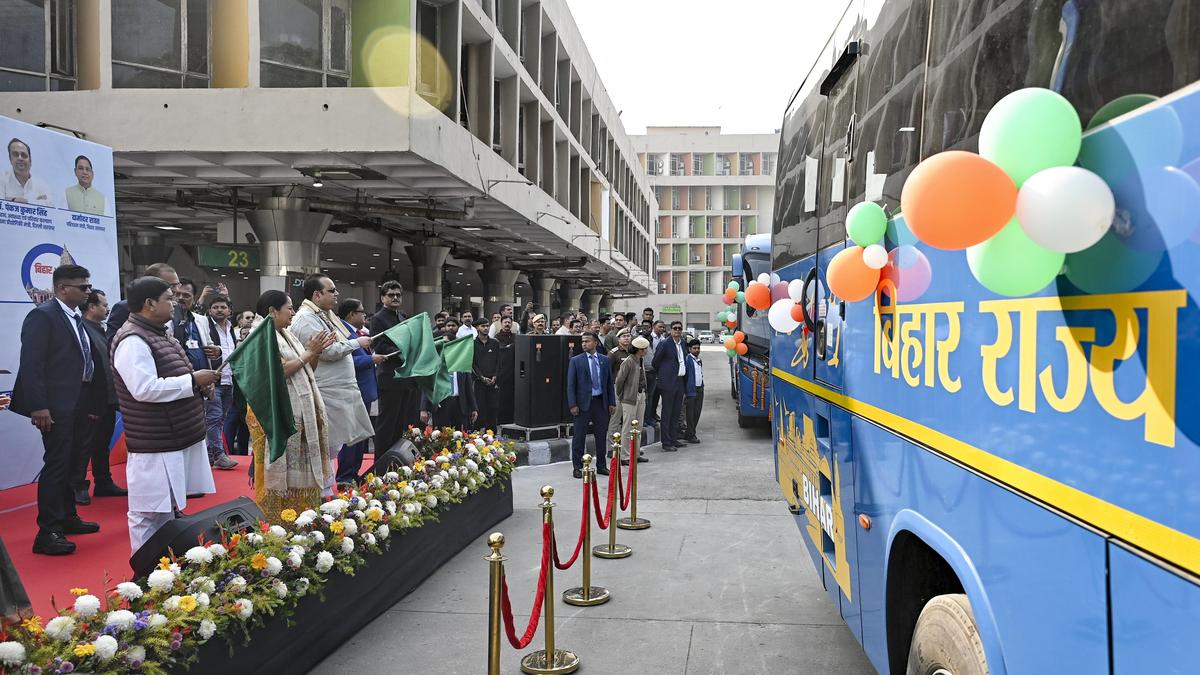
The governments of Delhi and Bihar have signed a comprehensive reciprocal transport agreement to operate year-round inter-state bus services across 18 designated routes. The bilateral agreement establishes a structured framework to link the national capital with 13 key districts across Bihar. Officials confirmed the initiative is designed to provide direct, regulated, and affordable public transit between the two regions.
Under the terms of the reciprocal arrangement, transport authorities have allocated 12 permits per route to each jurisdiction, ensuring balanced bilateral operations. The Delhi Transport Department has issued an initial batch of 216 permits to the Bihar government to operationalize stage-carriage bus services. This statutory mechanism allows both states to coordinate departures, regulate schedules, and maintain standardized fares across long-distance corridors.
The 18 designated routes will connect Delhi to major urban centers and administrative hubs throughout Bihar. Key destinations include Patna, Gaya, Muzaffarpur, Darbhanga, Bhagalpur, Purnia, Araria, Kishanganj, and Buxar. Additional coverage extends to East Champaran, Madhubani, Nawada, and Bihar Sharif, with higher-density cities like Patna and Gaya receiving multi-route allocations.
To support scheduled operations, the Bihar State Road Transport Corporation has procured a mixed fleet comprising 74 air-conditioned and 75 non-air-conditioned buses. These long-haul vehicles include seater and sleeper configurations tailored for the extensive journey between northern and eastern India. The specialized fleet is slated to maintain dependable, daily timetables across all authorized destinations.
For its share of operations, the Delhi government plans to deploy buses under a public-private partnership model. Under this framework, vetted private concessionaires will run services adhering to Delhi Transport Department regulations and service standards. This operational approach enables the national capital to expand long-distance connectivity without placing exclusive capital strain on existing municipal depots.
The new inter-state connectivity is expected to directly benefit an estimated 1.5 to 2 million migrants, laborers, and students from Bihar residing in Delhi. For decades, passenger volume between the two regions has far outstripped existing rail capacity, leaving thousands stranded or dependent on irregular arrangements. The bus pact provides a predictable alternative for daily commuters and circular migrant workers.
Travel demand peaks acutely during major autumn and winter festivals such as Chhath Puja, Diwali, and Dussehra, when hundreds of thousands attempt to travel home simultaneously. During these high-volume windows, train reservations routinely sell out months in advance, triggering severe station overcrowding. The introduction of scheduled, high-capacity inter-state buses aims to relieve seasonal bottlenecks and reduce travel anxiety.
Beyond capacity relief, transport administrators emphasized that the pact addresses rampant unauthorized bus operations along the Delhi-Bihar corridor. Unregistered private carriers frequently charge extortionate fares and compromise passenger safety during peak travel months. By formalizing stage-carriage permits and enforcing official tariffs, authorities aim to curb illegal operators and establish clear passenger accountability.
The agreement also guarantees reciprocal revenue sharing and mutual exemption from redundant inter-state taxation hurdles. Vehicles operating under these permits will benefit from streamlined border transit across intermediate states like Uttar Pradesh. This interstate administrative coordination reduces transit friction and curtails operational delays on national highway corridors.
With procedural formalities completed and permits issued, both state transport corporations are finalizing route timings, ticketing portals, and boarding infrastructure at major terminals. Passenger services are scheduled to roll out in phases as fleet allocations and depot logistics are established. Transport officials anticipate that regular departures will establish a dependable transit lifeline between the capital and eastern India.
Primary source: Google News Delhi. Newzly rewrites and structures source reporting for clarity; verify critical details at the original.