Delhi Police and Media Bodies Raise Alarms Over Website Selling Lifetime Press Cards
The commercial sale of lifetime press identity cards by an online platform has triggered alarms among Delhi Police and journalist associations over verification challenges and the misuse of media credentials during protests.
In this piece
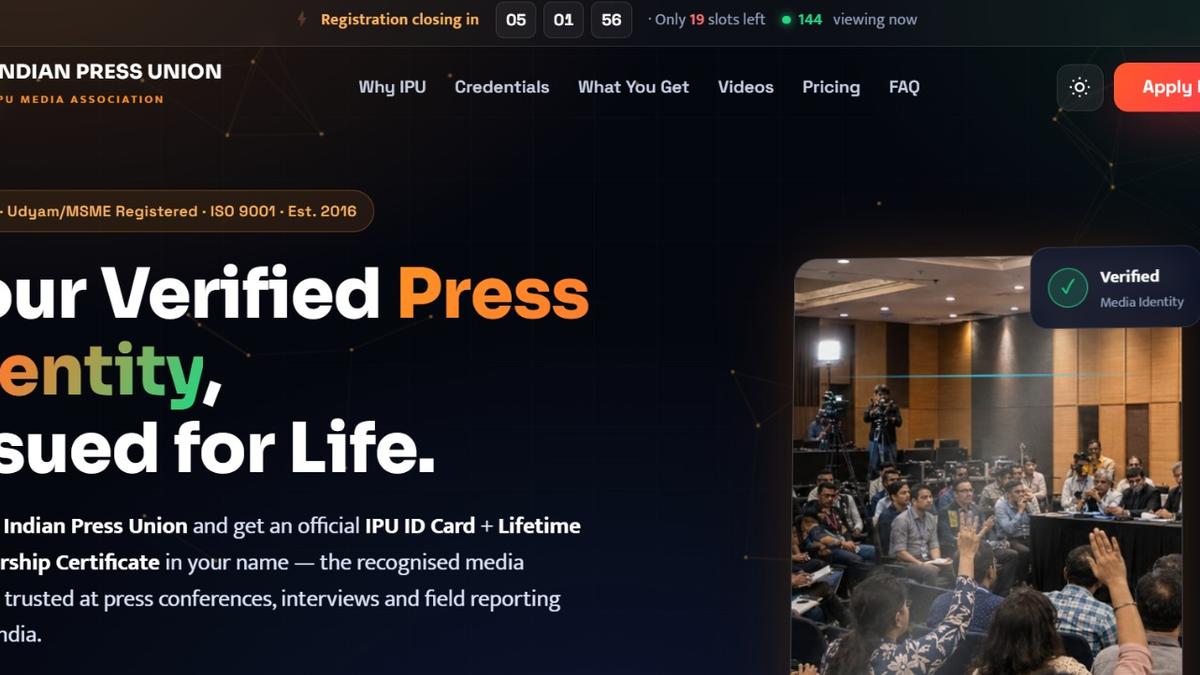
An online portal called the Indian Press Union has come under scrutiny for selling lifetime press cards and membership certificates for up to 1,799 rupees. The…
A commercial website offering lifetime press identity cards for 1,799 rupees has sparked serious security concerns among law enforcement authorities and media organizations in New Delhi. The platform, operating under the name Indian Press Union, has come under scrutiny from the Delhi Police and veteran journalist bodies over the unchecked distribution of journalistic credentials to the general public.
According to investigations into the platform, the website markets digital press memberships for 999 rupees and physical identification cards alongside official-looking membership certificates for 1,799 rupees. Applicants are reportedly promised rapid approvals within 24 hours after submitting basic personal details and undergoing an Aadhaar-based verification process.
The portal specifically targets freelance reporters, independent bloggers, digital creators, and social media influencers with promises of recognized media status. By framing membership as a gateway to professional legitimacy, the service bypasses the rigorous editorial accreditation processes typically maintained by established newsrooms and government information departments.
The issue came directly to the attention of security agencies during recent public demonstrations in the national capital, including anti-SIR protests held in October. Delhi Police personnel encountered demonstrators actively shouting slogans and participating in agitations while displaying press identification cards issued by the Indian Press Union platform.
Field officers noted that individuals were using these commercial press badges to position themselves as independent media personnel while engaging in organized street activism. This dynamic has raised operational friction on the ground, making it difficult for police units to differentiate between genuine working journalists covering civic unrest and activists using media credentials to bypass restrictions.
Law enforcement officials have highlighted a critical regulatory void, emphasizing that verifying the statutory authority of such online entities remains a persistent challenge. Under existing frameworks, police on bandobast duty struggle to instantly determine whether a private website or registered society possesses any legal mandate to confer formal press status upon fee-paying users.
The revelations have triggered strong objections from established journalist bodies and media collectives, including representatives associated with the Press Club of India and the Editors Guild of India. Industry veterans argue that commodifying press cards devalues the credibility of the fourth estate and imperils the safety of working reporters on hazardous assignments.
The controversy surfaces amid broader nationwide discussions regarding the evolving definition of news professionals in an era dominated by digital video creators and independent social media channels. While state governments and the Press Information Bureau maintain strict protocols for formal accreditation, unregulated private registries have increasingly exploited ambiguity to monetize press identity.
Media ethics specialists and veteran reporters warn that unvetted press passes create severe vulnerabilities for public institutions and administrative bodies. When unauthorized individuals access sensitive briefings, crime scenes, or cordoned security zones under the banner of journalism, the resulting breach undermines institutional trust and complicates newsroom safety standards.
As concerns mount, senior police officials and media representatives are calling for tighter scrutiny and clearer administrative guidelines to address commercial press card services. Law enforcement agencies are expected to evaluate potential legal violations surrounding misrepresentation, while journalist associations continue pressing for standardized verification protocols to safeguard bona fide news gathering.
Primary source: Google News Delhi. Newzly rewrites and structures source reporting for clarity; verify critical details at the original.