Delhi Tops NCR Air Pollution Rankings for PM2.5 and PM10
A study by think tank EnviroCatalysts reveals Delhi recorded the highest PM2.5 and PM10 levels in the National Capital Region this season, climbing to first place despite registering no severe air quality days.
In this piece
Delhi emerged as the most polluted city in the National Capital Region for PM2.5 and PM10 between October 1 and November 25. Although overall particulate levels…
Delhi emerged as the most polluted city in the National Capital Region for fine particulate matter between October 1 and November 25, according to a recent analysis of air quality monitoring data. The assessment by think tank EnviroCatalysts revealed that the capital topped regional charts for both PM2.5 and PM10 concentrations. Notably, Delhi claimed the top position despite not logging a single day in the severe category on the Air Quality Index during the 56-day monitoring window.
Data compiled from the India Air Quality Portal showed Delhi recorded an average PM2.5 concentration of 113 micrograms per cubic metre over the evaluated period. The city also registered an average PM10 concentration of 221 micrograms per cubic metre, placing it ahead of neighboring urban centres in Haryana and Uttar Pradesh. These figures highlight persistent ambient pollution challenges across the urban core as winter began to set in.
Neighboring industrial and residential hubs followed closely behind Delhi in fine particulate matter levels. Gurugram ranked second in the regional assessment with an average PM2.5 concentration of 109 micrograms per cubic metre, followed by Noida at 105 and Ghaziabad at 103. Other regional cities evaluated in the report included Meerut at 96 micrograms per cubic metre, Baghpat and Greater Noida at 95, Panipat at 90, Bulandshahr at 82, and Faridabad at 69.
The findings present a notable paradox for environmental observers, as Delhi reached the top ranking despite an overall drop in its particulate matter concentrations compared to past seasons. During the corresponding monitoring timeframe in 2025, Delhi recorded a much higher average PM2.5 level of 158 micrograms per cubic metre. That figure followed an average of 179 micrograms per cubic metre during the same period in 2024.
During the equivalent period the previous year, Delhi had placed third for PM2.5 and fourth for PM10 among cities across the National Capital Region. The capital's climb to the top spot was driven largely by steeper air quality improvements in neighboring satellite cities rather than an outright deterioration in Delhi. As nearby industrial districts reduced their average pollution loads, Delhi's slower rate of decline left it at the top of the regional table.
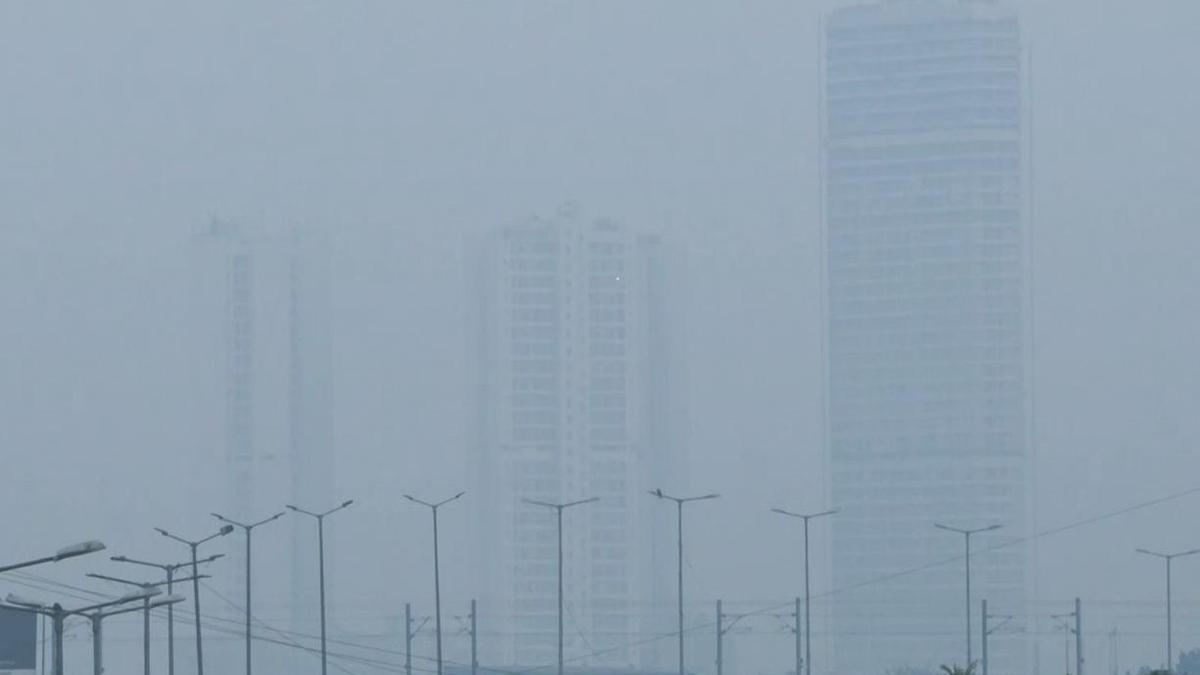
The absence of severe days marked a noticeable departure from past early-winter periods, which regularly saw sustained bouts of choking smog across north India. Instead, air quality in the capital fluctuated largely between the poor and very poor brackets throughout October and November. A handful of days in the moderate and satisfactory ranges also helped suppress seasonal peak concentrations.
Despite the year-on-year drop in gross numbers, the recorded pollution levels remain perilous from an environmental and public health standpoint. Delhi's average PM2.5 reading of 113 micrograms per cubic metre stands nearly three times above India's national annual standard of 40 micrograms per cubic metre. The city's PM10 average of 221 micrograms per cubic metre similarly exceeds the statutory annual threshold of 60 micrograms per cubic metre by more than three-and-a-half times.
The concentrations measured across the capital region also exceed the health-based annual guidelines established by the World Health Organization by several orders of magnitude. Health experts emphasize that chronic exposure to elevated baseline particulate matter damages respiratory and cardiovascular systems over time. Even without sudden severe spikes, continuous inhalation of toxic air at these levels poses serious risks to vulnerable populations, including children and the elderly.
Looking ahead, environmental analysts warn that the regional air quality situation will remain vulnerable as winter temperature inversions and calm winds settle over the Indo-Gangetic Plain. Mitigating toxic air will depend heavily on sustained regional coordination across state boundaries rather than isolated municipal measures. Regional monitoring bodies and local administrations will face critical tests in maintaining enforcement as colder weather continues to test the region's airshed.
Primary source: Google News Delhi. Newzly rewrites and structures source reporting for clarity; verify critical details at the original.