Developer Creates Interactive Live Browser Replica of SFO
A software developer has built Tiny SFO, a browser-based miniature replica of San Francisco International Airport featuring live flight tracking, real air traffic control audio, and working ground transit lines.
In this piece
A web developer has launched Tiny SFO, an interactive browser-based simulation of San Francisco International Airport. The project features live aircraft…
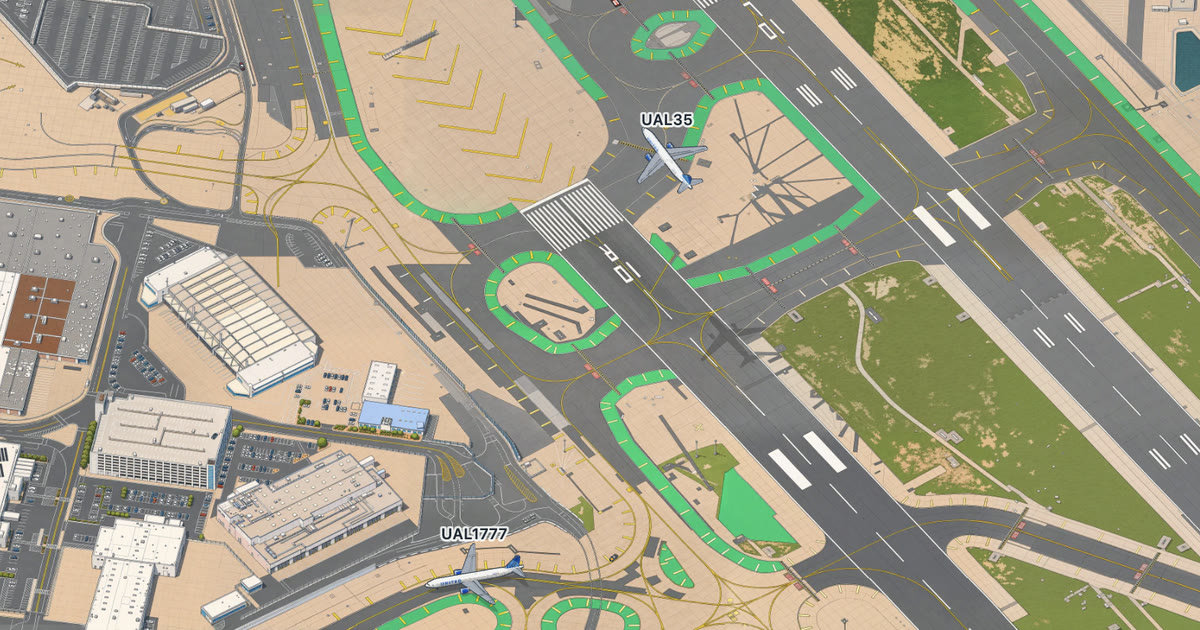
A software developer has released an interactive, browser-based miniature simulation of San Francisco International Airport, integrating real-time flight movements and air communications into a lightweight visual model. The web project, titled Tiny SFO, allows visitors to monitor terminal operations directly within a standard web browser without downloading external software. It brings one of the West Coast's most prominent transit hubs to life through digital rendering and real-world telemetry.
According to project details shared by the creator, the simulation renders aircraft movements across runways and taxiways based on live aviation tracking data. The digital environment is paired with streaming audio feeds from actual air traffic control towers, providing observers with authentic radio traffic as planes arrive and depart. The developer also incorporated custom airline liveries, ensuring individual aircraft display distinctive visual markings as they navigate the airfield.
Ground transportation networks that define the airport campus have been modeled alongside the flight corridors. The interactive replica features running representations of both the AirTrain automated people mover and the regional Bay Area Rapid Transit system that connects terminals to surrounding communities. By incorporating both airborne traffic and ground rail links, the simulator reflects the intricate multimodal logistics that keep the facility functioning daily.
The project emerged from personal nostalgia and a deep familiarity with the facility. The developer explained that having grown up in the San Francisco Bay Area and spent extensive hours at the airport over the years, the sprawling complex gradually came to feel like a second home. That enduring connection prompted several weeks of focused development aimed at crafting a faithful, creative tribute to the regional landmark.
Beyond standard operational tracking, the developer infused the simulation with playful digital discoveries. Multiple interactive easter eggs were hidden throughout the virtual tarmac and terminal grounds to reward curious visitors. These exploratory touches encourage users to inspect different corners of the digital facility, blending serious transit modeling with casual web entertainment.
The simulator debuted on the technology discussion forum Hacker News under the site's community showcase banner, where it rapidly garnered dozens of upvotes and active discussion. Fellow software developers and aviation enthusiasts gathered in the comments to explore the platform, discuss airport layouts, and offer impressions on the interface. Early feedback highlighted appreciation for the seamless synthesis of disparate real-time data feeds into a unified browser experience.
The release reflects a broader trend of independent creators leveraging modern web standards and open aviation data to craft accessible simulation tools. While complex flight simulations historically required demanding desktop installations and specialized hardware, advancements in web browsers now permit fluid rendering and live audio streaming on lightweight pages. Projects like this demonstrate how public transit feeds can be repurposed into engaging, community-oriented digital art.
Moving forward, the developer has expressed an open welcome for community feedback and ongoing suggestions to refine the browser application. As users continue to test the digital airfield across various devices and network environments, early engagement indicates strong enthusiasm for niche, locally rooted software experiments. For now, virtual travelers can freely explore the miniature skies and transit lines of Northern California's primary international gateway.
Primary source: Hacker News. Newzly rewrites and structures source reporting for clarity; verify critical details at the original.