Developer Transforms Smart TV Interface into Playable Retro Pokémon Town
Designer and developer Robbie Tilton has overhauled his living room display, swapping conventional streaming carousels for an interactive Game Boy Color-styled Pokémon town where launching apps requires walking into buildings.
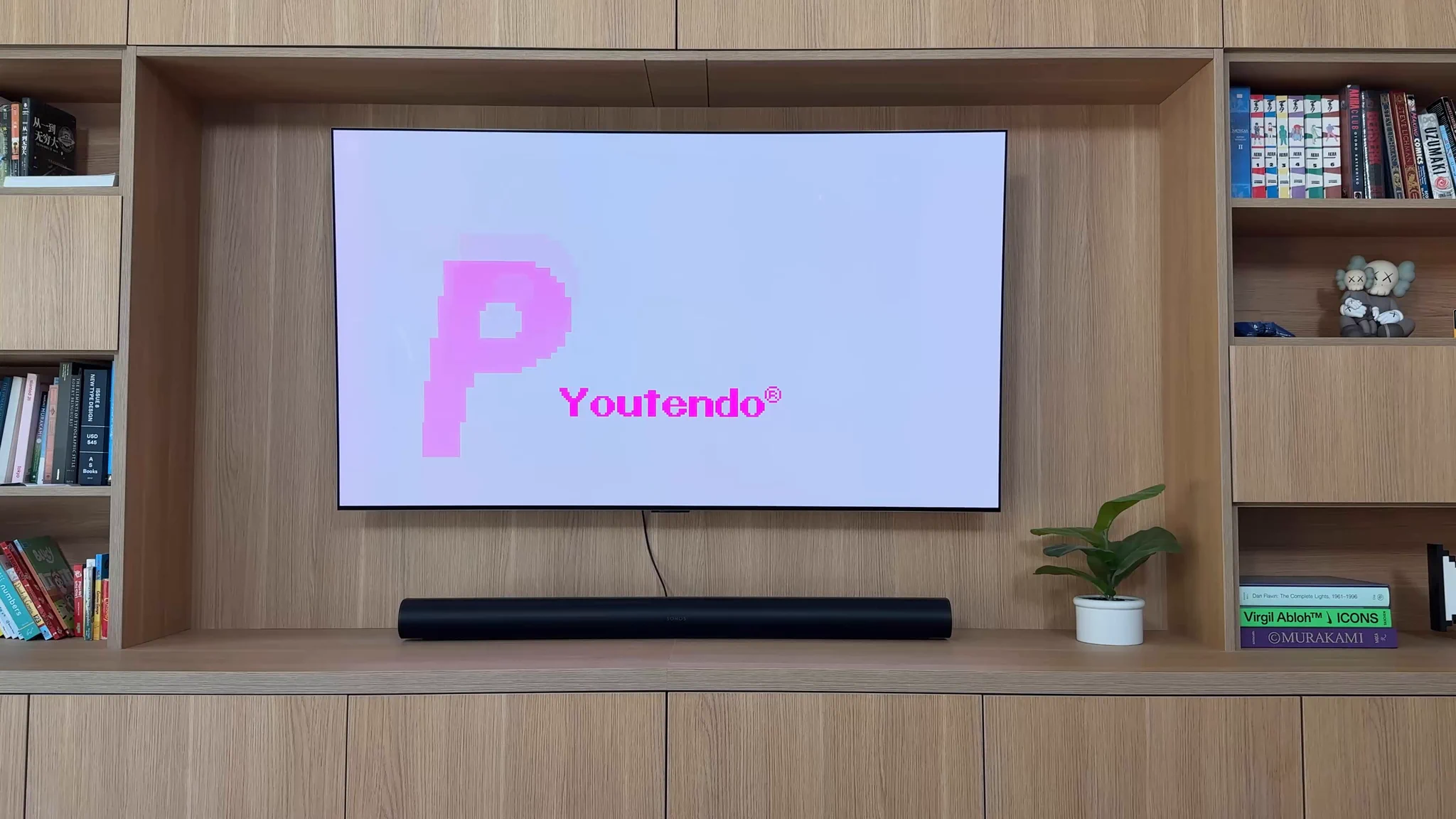
Designer and software developer Robbie Tilton has turned his television home screen into an interactive retro gaming environment modeled after a classic Game Boy Color Pokémon town. Rather than relying on the standard grids and promotional carousels found on commercial smart televisions, the custom interface allows users to navigate everyday media applications through a playable 8-bit avatar.
Under Tilton's custom interface, opening streaming platforms and digital tools requires guiding the onscreen sprite into distinct buildings across the pixelated town map. Each structure serves as an interactive portal to a specific application, mimicking the way players enter gyms, marts, and houses in early handheld adventure titles.
The playful concept extends to deeper television configuration options. In Tilton's demonstration of the system, adjusting hardware or software settings requires the user to engage in and win a battle against a local gym leader, turning routine device maintenance into an in-game challenge.
Tilton developed the bespoke setup using advanced artificial intelligence coding assistants, including Anthropic's Claude Opus model, to write and refine the underlying code. The experiment demonstrates how conversational coding tools have lowered technical friction for developers seeking to build fully customized operating interfaces for everyday home electronics.
The project arrived amid growing consumer fatigue with commercial smart television software. Modern television operating systems from major hardware manufacturers have faced persistent criticism for cluttering home menus with unskippable advertisements, auto-playing video trailers, and sponsored content recommendations that users cannot disable.
By contrast, Tilton's experiment taps into widespread nostalgia for late-nineties handheld gaming aesthetics while restoring agency to the end user. The interface strips away corporate ad networks in favor of a minimalist, self-contained aesthetic that turns a passive utility into an engaging novelty.
The demonstration rapidly gained traction among software engineers, interaction designers, and gaming enthusiasts online. Observers highlighted the project as a vivid proof of concept for personalized home computing, where consumer screens can reflect individual creativity rather than standardized corporate layouts.
While the concept offers a refreshing departure from conventional media hubs, practical questions remain regarding long-term daily usability. Requiring game mechanics such as boss fights simply to alter screen brightness or adjust audio levels may prove cumbersome during routine viewing sessions, making it primarily an artful technical experiment rather than a direct replacement for rapid navigation.
Nevertheless, projects like Tilton's underscore a broader grassroots movement toward reimagining interface design through modern developer tooling. As artificial intelligence models continue to accelerate software prototyping, enthusiasts and hobbyists are increasingly equipped to build bespoke operating environments that challenge how consumer hardware behaves in the living room.
Tilton has shared glimpses of the project across social platforms and developer communities, sparking curiosity about whether the custom launcher could eventually see open-source availability. For now, the retro Pokémon display stands as a compelling reminder that the screens dominating modern households do not have to look or operate identically.
Primary source: Hacker News. Newzly rewrites and structures source reporting for clarity; verify critical details at the original.