Debt of poorest countries at record $9.4tn high, World Bank data shows
Developing nations face mounting debt burden as cost of servicing loans threatens future investment.
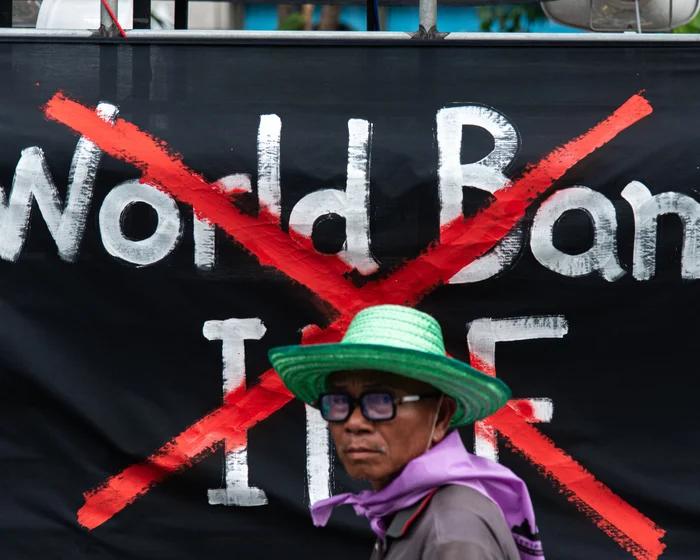
The World Bank has released alarming data showing that the total external debt of developing countries has reached a record $9.4 trillion, equivalent to £7 trillion. This surge in debt levels comes amid growing concerns over the ability of poorer nations to service their obligations without compromising future development.
The data reveals that the poorest countries are bearing the brunt of this crisis, with interest rates on their loans reaching their highest levels since the late 1980s. These elevated borrowing costs leave little room for investment in essential sectors such as healthcare, education, and infrastructure, which are vital for long-term growth.
The burden is particularly acute for low-income economies that often rely heavily on external financing to fund public services and economic initiatives. As debt servicing consumes a larger portion of their budgets, these nations find themselves increasingly constrained in their ability to respond to crises or invest in sustainable development projects.
The UK government is reportedly preparing to lead a new initiative on debt relief as part of its upcoming presidency of the G20. Prime Minister Andy Burnham has linked this effort to addressing the historical legacy of slavery, suggesting that global debt reform could be tied to broader reparative justice efforts.
This development comes at a critical time when many developing countries are already grappling with economic instability and climate-related challenges. The rising debt levels risk deepening inequality and undermining progress made in poverty reduction over recent decades.
The World Bank's findings have sparked renewed calls for international cooperation on debt restructuring, particularly for the most vulnerable nations. Experts argue that without immediate intervention, the current trajectory could lead to a broader financial crisis in emerging markets.
International financial institutions are under increasing pressure to provide more flexible repayment terms and lower interest rates for low-income countries. Some economists suggest that temporary debt moratoriums or debt-for-development swaps may be necessary to give these nations breathing room.
The UK's proposed G20 initiative could potentially set a precedent for more equitable global debt governance, especially if it includes measures aimed at addressing historical injustices in lending practices. However, the success of such efforts will largely depend on the willingness of creditor nations and institutions to make meaningful concessions.
As discussions continue within the G20 framework, attention is turning toward how best to balance debt sustainability with economic recovery. The coming months will be crucial in determining whether this new focus on debt can translate into concrete support for the world's poorest countries.
The World Bank's latest report underscores the urgent need for global financial reform and highlights the growing divide between wealthy and developing economies. Without decisive action, the debt crisis threatens to undermine decades of progress in global development.
Primary source: The Guardian Business. Newzly rewrites and structures source reporting for clarity; verify critical details at the original.