Dollar falls as gold and Treasuries rally after Democratic midterm gains
Democrats’ capture of Congress sent the dollar lower and lifted gold and US Treasury bonds, according to The Guardian’s market coverage, while stock futures recovered some initial losses.
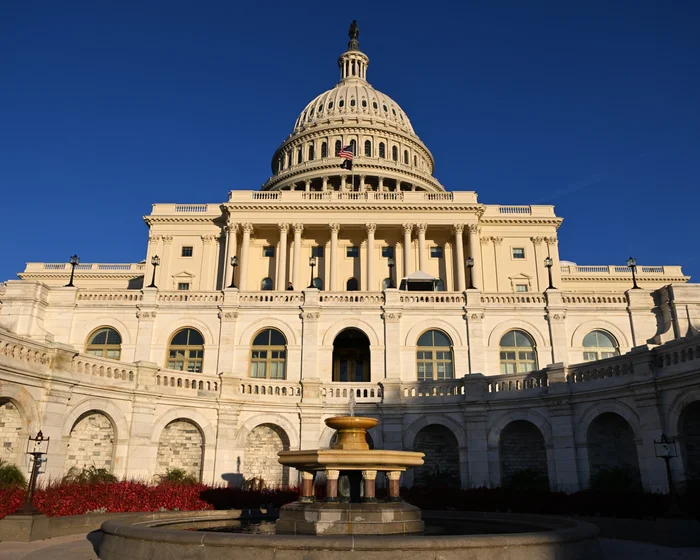
The dollar fell while gold and US Treasury bonds rallied as markets reacted to Democrats’ capture of Congress in the US midterm elections, according to The Guardian’s business live coverage. US stock futures initially pointed to sharp losses before recovering some ground as investors assessed the implications of divided government.
The reported Republican defeat shifted attention toward President Donald Trump’s ability to advance his agenda over the next two years. The market response reflected a reassessment of the political outlook, although the supplied coverage did not give exact moves for currencies, bonds or stock futures.
Gold and silver benefited as investors sought assets viewed as safe havens, the report said. The simultaneous strength in bullion and Treasury bonds contrasted with the weaker dollar, underscoring the different ways markets were responding to uncertainty over the direction of US policy. The excerpt did not provide Treasury yields or identify particular bond maturities.
Chris Beauchamp, chief market analyst at investing and trading platform IG, said the early weakness in stock futures had become less pronounced. “Overnight markets had pointed towards steep losses for futures, but the picture is looking rosier as markets seem to look towards the future with relish,” he said in comments carried by The Guardian.
Beauchamp framed divided government as a potentially favourable development for investors rather than an unambiguously negative outcome. “A divided US government has often been the best outcome for markets, and we are staring that squarely in the face today,” he said. That assessment offered a counterpoint to the initial defensive moves, though it was an analyst’s interpretation rather than evidence of how markets would ultimately settle.
The coverage also linked Democratic control of Congress to expectations of tougher regulation of the artificial intelligence sector. It did not identify specific proposals, companies or a legislative timetable. The distinction matters because expectations of greater scrutiny are not the same as enacted restrictions, and the excerpt offered no basis for assessing the eventual scope of any changes.
Attention was also turning to the White House’s response to the election outcome. Beauchamp said Trump’s apparent acceptance of the results suggested a contentious legal battle might be avoided. His comments presented that as an interpretation of the president’s response, not a guarantee that disputes or further political uncertainty would not emerge.
The next focus, in the source’s assessment, is how the election result changes the administration’s room to pursue its priorities. For markets, the unresolved question is whether the initial demand for defensive assets persists or gives way to the more constructive view of divided government described by Beauchamp. The supplied coverage captured an evolving reaction rather than a final trading outcome.
Primary source: The Guardian Business. Newzly rewrites and structures source reporting for clarity; verify critical details at the original.