Double Bonanza Ahead for Indian Businesses and Investors as Rupee Gains and Oil Cools
A cooling global crude oil market and a strengthening Indian rupee are creating a powerful dual tailwind, offering relief for corporate margins, easing fiscal pressures, and setting the stage for an investor-friendly economic expansion.
In this piece
Falling crude oil prices and a rallying rupee are shaping a double economic bonanza for India. The combination is reducing national import bills, supporting…
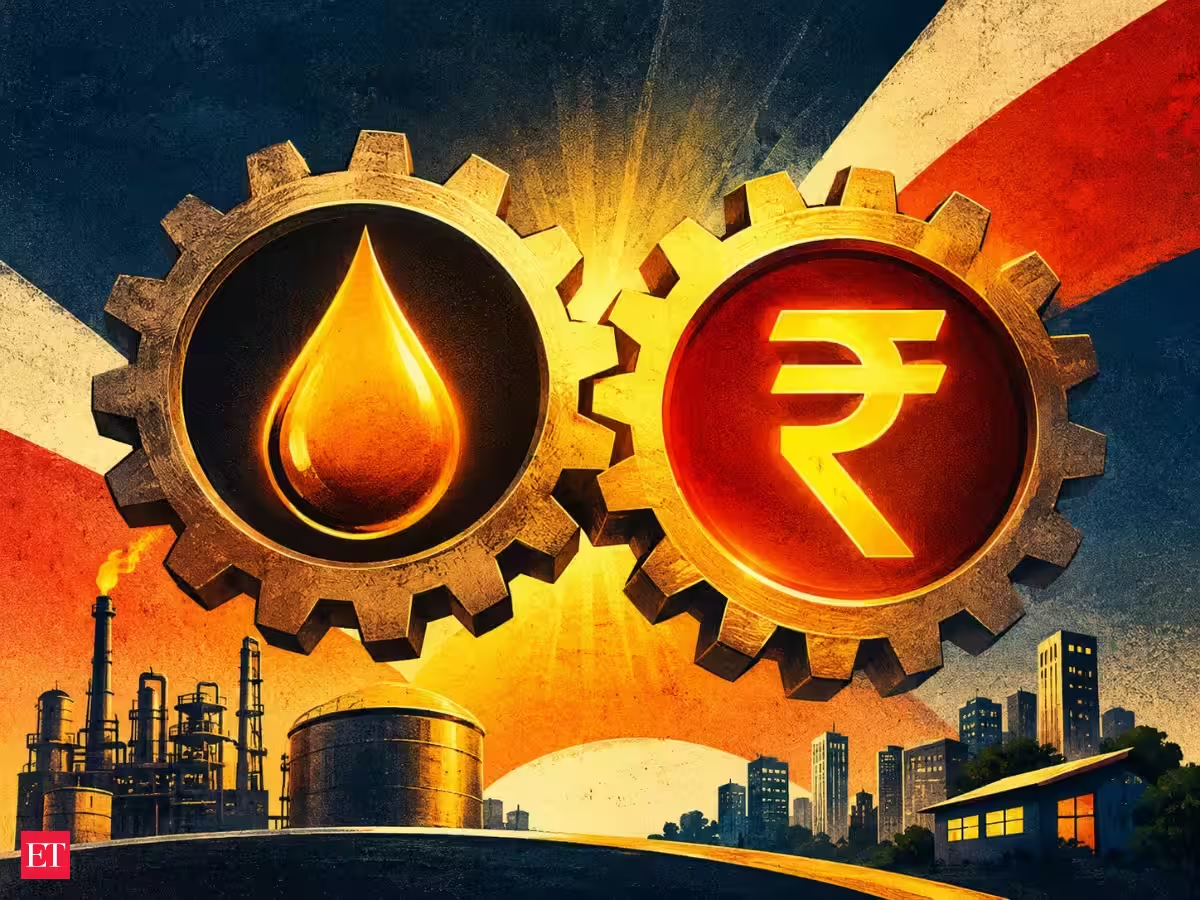
India is positioned for a significant economic tailwind as softening global crude oil prices coincide with a strengthening rupee, creating a dual advantage for domestic businesses, investors, and consumers. The simultaneous convergence of these two macroeconomic drivers is easing external pressures and providing widespread relief across the country's economic landscape. Analysts view this alignment as a critical cushion that could sustain industrial growth and corporate profitability.
International crude oil benchmarks have cooled from their previous highs, delivering prompt relief to one of the world's largest oil importers. Because India imports over 80 percent of its crude oil requirements, declines in global energy prices directly reduce the country's national import expenditures. This moderation also dampens imported inflation, curbing price pressures before they permeate deeper into supply chains.
At the same time, the Indian rupee has exhibited resilience and renewed vigor against the US dollar, underpinned by robust inflows from foreign portfolio investors. A stronger domestic currency magnifies the benefit of softer commodity prices by making dollar-denominated energy purchases substantially cheaper in local terms. The foreign institutional inflows reflect sustained global confidence in India's structural growth prospects relative to other emerging markets.
For corporate India, the twin trends offer substantial relief on raw material and operational overheads, especially for energy-dependent industries. Sectors such as aviation, paints, specialty chemicals, tyres, and fast-moving consumer goods are anticipated to see an expansion in operating profit margins. Corporate balance sheets, previously compressed by volatile input expenses, stand to gain meaningful recovery across quarterly earnings cycles.
Beyond corporate balance sheets, the shifting dynamics are expected to positively influence retail inflation and household purchasing power. Lower logistics expenses and moderated packaging material prices should gradually trickle down to end consumers. Easing cost-of-living pressures could, in turn, revive rural and urban discretionary spending across diverse consumer categories.
On the sovereign front, the decline in energy prices significantly shrinks government expenditure earmarked for petroleum and fertilizer subsidies. This fiscal breathing space provides authorities with greater flexibility to maintain fiscal deficit targets while preserving allocations for strategic capital infrastructure projects. Public finances enter the upcoming budgetary cycle in a notably firmer position as a consequence.
External trade balances are also finding solid footing, with India's current account deficit expected to narrow as import obligations contract. Sustained capital inflows continue to reinforce the central bank's foreign exchange reserves, providing an ample liquidity backstop against external geopolitical shocks. This macroeconomic stability further distinguishes the domestic investment climate from more vulnerable peer economies.
Financial markets have responded favorably to these developments, with investor sentiment boosted by expectations of an earnings revival and strong foreign institutional buying. Equity indices are reflecting renewed optimism as market participants price in broader margin improvements across mid-cap and large-cap enterprises. Wealth managers note that lower inflation and steady foreign participation create a constructive environment for long-term domestic asset allocation.
Looking ahead, market observers caution that the durability of this double bonanza will hinge on the stability of global geopolitical developments and interest rate trajectories in advanced economies. Sustained peace in major shipping corridors and consistent crude supply will be vital to keeping energy costs contained. Nevertheless, the present intersection of a robust currency and lower commodity expenses provides India with a formidable buffer to drive its economic expansion forward.
Primary source: Economic Times. Newzly rewrites and structures source reporting for clarity; verify critical details at the original.