Drax Owner Agrees £20bn Deal to Build UK’s Largest AI Data Centre
Drax’s FTSE 250 owner has sealed a £20bn deal with Brookfield and Radiant to construct Britain’s largest AI datacentre, converting part of the North Yorkshire power plant into a one-gigawatt computing campus.
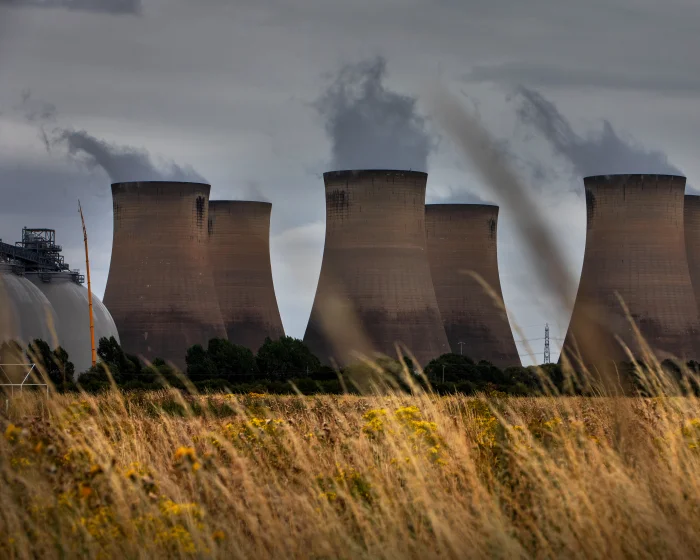
The FTSE 250 owner of the Drax power station in North Yorkshire has struck a £20bn deal to construct the United Kingdom’s largest artificial intelligence data centre directly on the facility’s grounds. The proposed development marks a significant shift for a site long cited as Britain’s most polluting power plant. Partners in the agreement plan to convert the historic generation hub into a central base for large-scale digital computing.
Under the agreed framework, the British energy company is joining forces with global infrastructure investor Brookfield and dedicated AI infrastructure platform Radiant. Together, the group plans to finance, construct, and manage a high-capacity computing campus capable of handling intensive digital processing. The collective private investment represents one of the largest capital commitments dedicated to technology infrastructure in British history.
The project is designed to reach an eventual capacity exceeding one gigawatt, placing it among the largest individual data centre developments worldwide. Operational activity could begin by early 2028 if preliminary engineering, planning, and grid arrangements stay on schedule. The power plant’s management described the multi-billion-pound initiative as the start of the site's next chapter.
The sheer scale of the proposal highlights the dramatic surge in electrical power required to train and run modern artificial intelligence models. Advanced machine learning clusters require continuous base load electricity and dedicated substations capable of handling intense power spikes. Tech firms across the globe have increasingly struggled to secure adequate power allocations on congested national transmission networks.
Locating a massive computing cluster at the Drax site in North Yorkshire offers key strategic advantages because the location already possesses heavy-duty grid connectivity. Building data centres adjacent to existing energy transmission nodes avoids many of the lengthy interconnection queues that typically delay greenfield technology projects. As a result, former and current power generation locations are becoming prime targets for international data operators.
The agreement also brings sharp attention to the environmental profile of the Drax complex, which has faced sustained scrutiny as Britain’s single most carbon-polluting power facility. Repurposing space for advanced technology operations comes amid broader efforts across the UK power sector to transition legacy assets into modern commercial roles. Observers will be closely monitoring how the energy demands of the new computing campus intersect with regional emissions and energy priorities.
The involvement of Brookfield and Radiant illustrates the expanding role of institutional infrastructure capital in funding advanced digital capacity. Institutional investors are treating utility-scale AI campuses similarly to essential national utilities like pipelines, ports, and electrical grids. By combining Brookfield’s extensive capital resources with Radiant’s specialized infrastructure expertise, the consortium aims to de-risk a project of unprecedented scope.
For the wider British technology and business landscape, securing a gigawatt-scale data campus addresses persistent concerns over national computing capacity. Domestic technology firms and research organizations have frequently pointed to domestic computing shortages as a barrier to competing with counterparts in the United States and Asia. Delivering a facility of this magnitude could anchor substantial enterprise computing capabilities within the country.
As the venture moves forward, developers face an extensive roadmap spanning technical design, regulatory reviews, and regional supply chain preparations. Key operational milestones leading up to the targeted 2028 launch will depend on timely infrastructure delivery and the integration of power systems. Further details regarding phased construction timetables and operational arrangements are anticipated as the partnership advances its plans.
Primary source: The Guardian Business. Newzly rewrites and structures source reporting for clarity; verify critical details at the original.