Earthquake shakes North Carolina's Piedmont late Tuesday night
A late-night earthquake shook North Carolina's Piedmont, according to a WXII report carried on Google News. The brief item did not give a magnitude, an epicenter, or word on damage.
In this piece
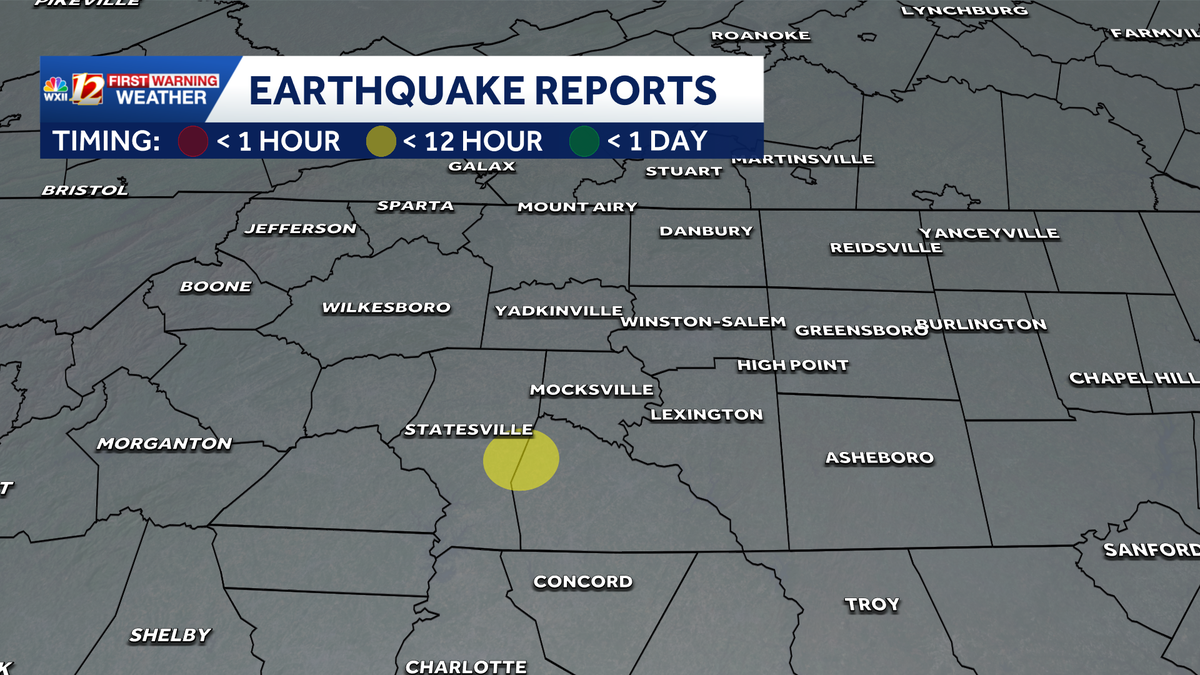
WXII reported that an earthquake shook the North Carolina Piedmont late Tuesday night. The available headline does not include magnitude, a precise location, or…
An earthquake shook North Carolina's Piedmont late Tuesday night, according to a WXII report distributed through Google News. The item, headlined as a late-night shake across the region, is the account available so far and does not expand beyond that description.
The notice does not state a magnitude, name an epicenter, or say how long the shaking lasted. It also does not report injuries, damage, or whether emergency crews were called out. Those details are simply not in the material at hand, so they cannot be stated as known.
The Piedmont is the broad, rolling middle of North Carolina, set between the mountains to the west and the coastal plain to the east. It takes in a wide stretch of cities, suburbs, and smaller towns, which means a report tied only to the region does not identify which communities felt the movement or how strongly it was felt in any one place.
WXII, the station credited with the report, serves the Piedmont television market that includes the Winston-Salem and Greensboro area. Google News North Carolina surfaced the headline. Neither the headline nor the short accompanying text adds quotes from residents, local officials, or seismologists.
Earthquakes are uncommon in the eastern United States compared with the West Coast, but they do occur. When they do, people often notice them over a wide area because the older, colder rock of the East can carry seismic waves farther than the fractured crust of the West. That general pattern is context for why a Piedmont quake can draw attention even when early reports are thin. It is not a description of how far this particular shake traveled.
In the first minutes after a felt quake, accounts are often limited to the fact of shaking. Magnitude, depth, and a mapped epicenter usually come later from instruments and from review by seismologists, not from a headline alone. Until that review is public, estimates based on how the movement felt indoors or outdoors can differ from place to place and should be treated as preliminary.
No casualty figures, structural assessments, or school and road closures appear in the WXII item as circulated. Residents looking for whether anything was damaged will need reporting that goes beyond this headline. Nothing in the available text confirms or rules out effects on buildings, utilities, or daily routines.
North Carolina emergency guidance in general asks people who feel a quake to check on those nearby, watch for hazards such as fallen objects or gas smells, and rely on official channels for updates. That is standard preparedness advice, not a statement that any of those hazards followed Tuesday night's shake. The report does not describe such conditions.
What happens next depends on fuller reporting. A station follow-up, or a notice from geological and emergency agencies, would be the ordinary place for a magnitude, a location, and any word on impacts. As of the item reviewed here, those points remain unstated.
For now, the confirmed news is narrow: late Tuesday night, an earthquake was reported to have shaken the North Carolina Piedmont. Everything beyond that location, that timing, and the WXII attribution waits on sources that have not yet supplied it.
Primary source: Google News North Carolina. Newzly rewrites and structures source reporting for clarity; verify critical details at the original.