ED probes senior Punjab bureaucrat's role in Pungrain case
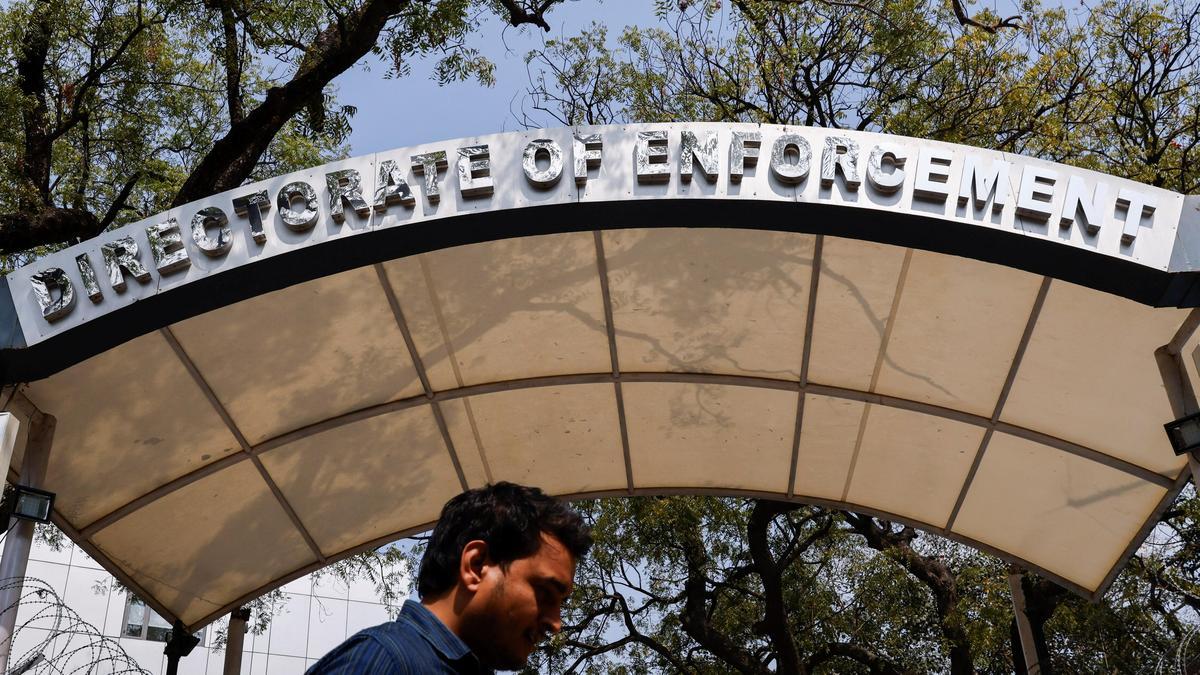
The Enforcement Directorate is examining a senior Punjab bureaucrat's role in the Pungrain case, The Hindu reported. The account does not name the officer or describe the allegations.
In this piece
The Hindu reported that India's Enforcement Directorate is probing a senior Punjab bureaucrat in the Pungrain case. The available report does not identify the…
India's Enforcement Directorate is probing the role of a senior Punjab bureaucrat in the Pungrain case, The Hindu reported. The news item, carried on a Punjab news feed, gives that development as its central fact and attributes it to The Hindu.
The report as circulated does not name the officer, the officer's department, or the officer's present posting. It also does not describe searches, summons, arrests, amounts, or the specific allegations under examination. Those details are not established by the material available here.
The Enforcement Directorate is the central agency that investigates suspected money laundering and related financial offences under Indian law, often alongside predicate cases opened by police or other authorities. A reference to an ED probe signals federal financial scrutiny. It does not, by itself, establish guilt or describe how far an inquiry has progressed.
The matter is identified only as the Pungrain case. In Punjab's public administration, Pungrain is the familiar short name associated with the state's grains procurement apparatus, which buys foodgrain from farmers under the public procurement system. The headline does not explain which transactions, seasons, or decisions are at issue.
Punjab is one of India's principal contributors of wheat and rice to the central pool. Procurement there runs through state agencies, mandis, and a large seasonal workforce, with payments, storage, and transport moving large sums of public money. Oversight questions in that system draw attention because they sit at the junction of farm income, food security, and state finances.
A probe focused on a senior bureaucrat, rather than only on a private contractor or a lower-level employee, raises the stakes for administrative accountability. Senior officers typically oversee policy execution, agency appointments, and high-value procurement decisions. The Hindu's report does not say whether the officer is suspected of a direct role, of supervisory lapses, or of some other connection.
In cases of this kind, investigators generally look at money flows, contracts, and decision files, and they may question officials and examine records held by state agencies. Nothing in the circulated item confirms that any of those steps has been taken in this matter, or when the inquiry began. Readers should treat procedure as general context, not as a description of this case.
The item also does not say whether a predicate police case, a vigilance inquiry, or a court order preceded the ED's interest. Indian practice often links an ED investigation to an existing offence, but that sequence cannot be assumed from a headline alone. Any such link, if it exists, has not been set out in the source material.
State governments and the officers concerned commonly respond once an agency names individuals or visits offices. No government statement, agency note, or comment from the bureaucrat is included in the report as provided. Until those responses appear, the public record on this development remains limited to the fact of the probe.
What happens next depends on whether the Enforcement Directorate, Punjab authorities, or The Hindu publish a fuller account. That would be the point at which the officer's identity, the alleged conduct, and the legal provisions in play could be reported without speculation. For now, the confirmed news is narrow: a senior Punjab bureaucrat's role in the Pungrain case is under ED examination.
Primary source: Google News Punjab. Newzly rewrites and structures source reporting for clarity; verify critical details at the original.