El Niño Drives Record Marine Heat Wave Deep Off the California Coast
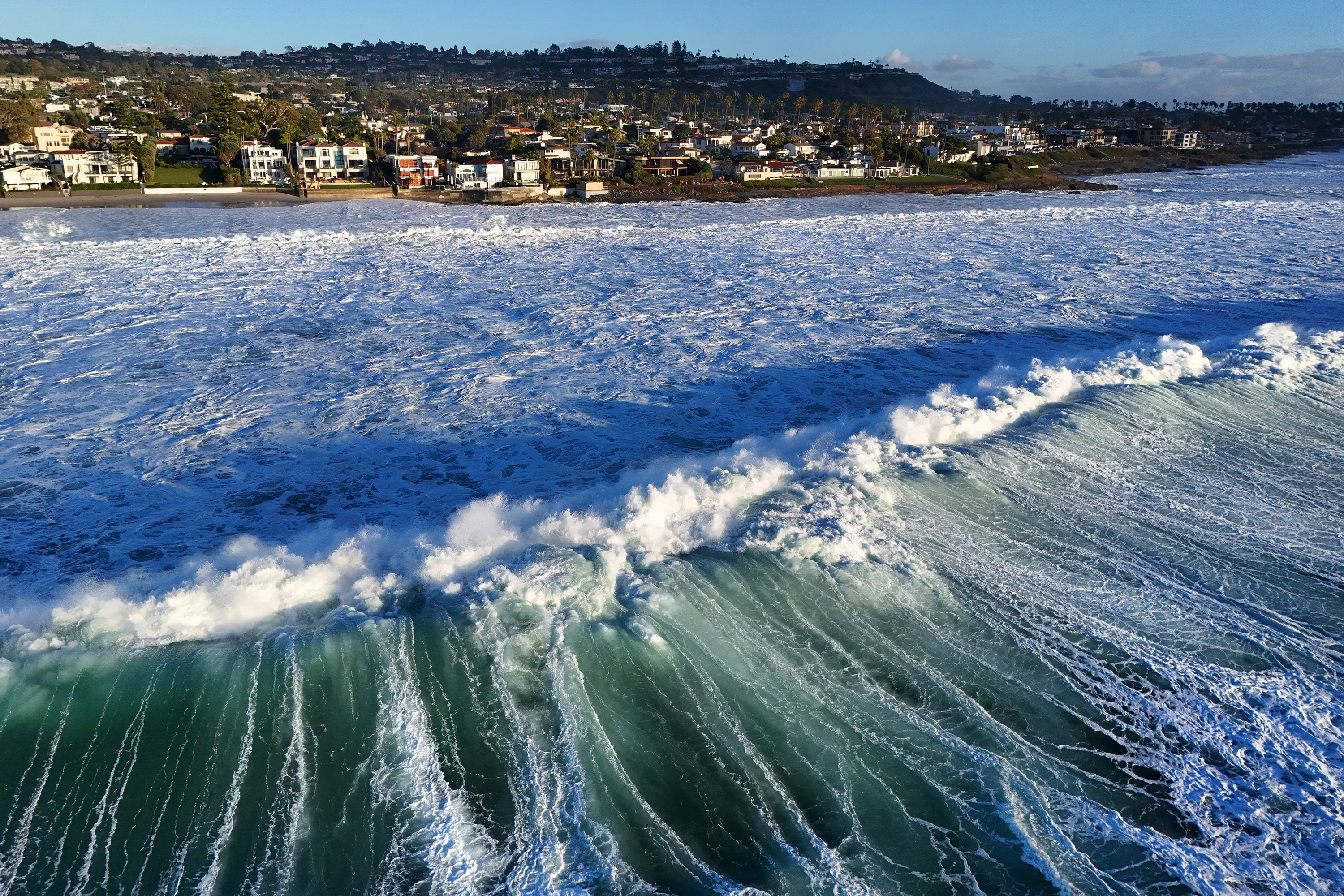
A record-breaking marine heat wave fueled by El Niño is plunging hundreds of meters below California's ocean surface, supercharging coastal storms and creating abnormally high seas across the Pacific seaboard.
In this piece
A record-setting marine heat wave driven by El Niño is pushing extreme ocean temperatures hundreds of meters deep off the California coast. The vast buildup of…
A record-setting marine heat wave is surging through coastal waters off California, fueled by an intensifying El Niño climate pattern. Ocean temperatures have climbed to unprecedented levels across the region, with extreme heat penetrating hundreds of meters beneath the Pacific Ocean's surface rather than remaining confined to surface waters. The phenomenon represents a significant environmental anomaly that researchers and forecasters are tracking with growing urgency.
According to reporting from Wired, the massive influx of heat is actively supercharging regional weather patterns and generating abnormally high seas. The unusually warm waters provide surplus thermal energy and moisture to incoming atmospheric disturbances traveling eastward across the Pacific. Meteorologists warn that such conditions substantially elevate the likelihood of intense coastal storm activity and hazardous maritime conditions.
A critical and concerning feature of this heat wave is its remarkable vertical depth. When oceanic warming reaches hundreds of meters down, it establishes a vast reservoir of heat that cannot be easily cooled by passing cold fronts or surface winds. This deep heat content means the thermal disturbance is far more resilient and long-lasting than typical surface-only marine warm spells.
The underlying mechanism is driven by El Niño, a major climatic oscillation marked by anomalous sea surface warming across the equatorial Pacific. During pronounced El Niño phases, altered atmospheric winds and ocean currents shift warm tropical waters toward North America while dampening the usual upwelling of colder, nutrient-dense water along the coastline. This natural dynamic acts as a potent multiplier on top of existing baseline ocean temperatures.
Such deep-seated warmth poses acute hazards for regional marine ecosystems that depend on cold, nutrient-rich coastal currents. Sustained marine heat waves can severely stress vulnerable kelp forests, depress local plankton production, and scramble typical distribution patterns for fish, marine mammals, and seabirds. For coastal fisheries and wildlife managers, persistent warmth at depth presents an ongoing threat to biological stability and commercial harvests.
Beyond the shoreline, the confluence of deep ocean heat and active storm tracks raises the stakes for coastal infrastructure and low-lying communities. Warmer ocean waters amplify evaporation rates, feeding atmospheric rivers and low-pressure systems with heavy moisture that can trigger intense coastal downpours. Coupled with abnormally high seas, these storms increase the danger of rapid beach erosion, bluff collapses, and localized saltwater flooding.
Scientists track these subsurface anomalies using an integrated network of oceanographic buoys, satellite altimetry instruments, and autonomous profiling floats that dive through the water column. Accurately mapping temperature gradients below the surface is essential for anticipating how the marine environment will respond over multi-month timescales. Forecasters rely on these measurements to fine-tune climate models and assess potential spillover effects on atmospheric circulation.
Moving forward, the longevity of the marine heat wave will hinge largely on the trajectory and eventual decay of the broader El Niño event. Until atmospheric circulation patterns shift and allow persistent upwelling winds to draw cold deep water back toward the surface, elevated ocean temperatures are expected to linger. Monitoring agencies will keep a close watch on offshore waters to gauge the lasting impacts on California's climate and marine ecology.
Primary source: Wired. Newzly rewrites and structures source reporting for clarity; verify critical details at the original.