Election Denial Groups Face Disarray as Trump Appears to Accept Midterm Results
According to reporting from Wired, election-denial movements are confronting confusion and dismay as Donald Trump broadly appears to accept midterm election results, leaving grassroots activist networks without their primary champion.
In this piece
Reporting by Wired indicates that Donald Trump has broadly appeared to accept recent midterm election results following Democratic victories. The unexpected…
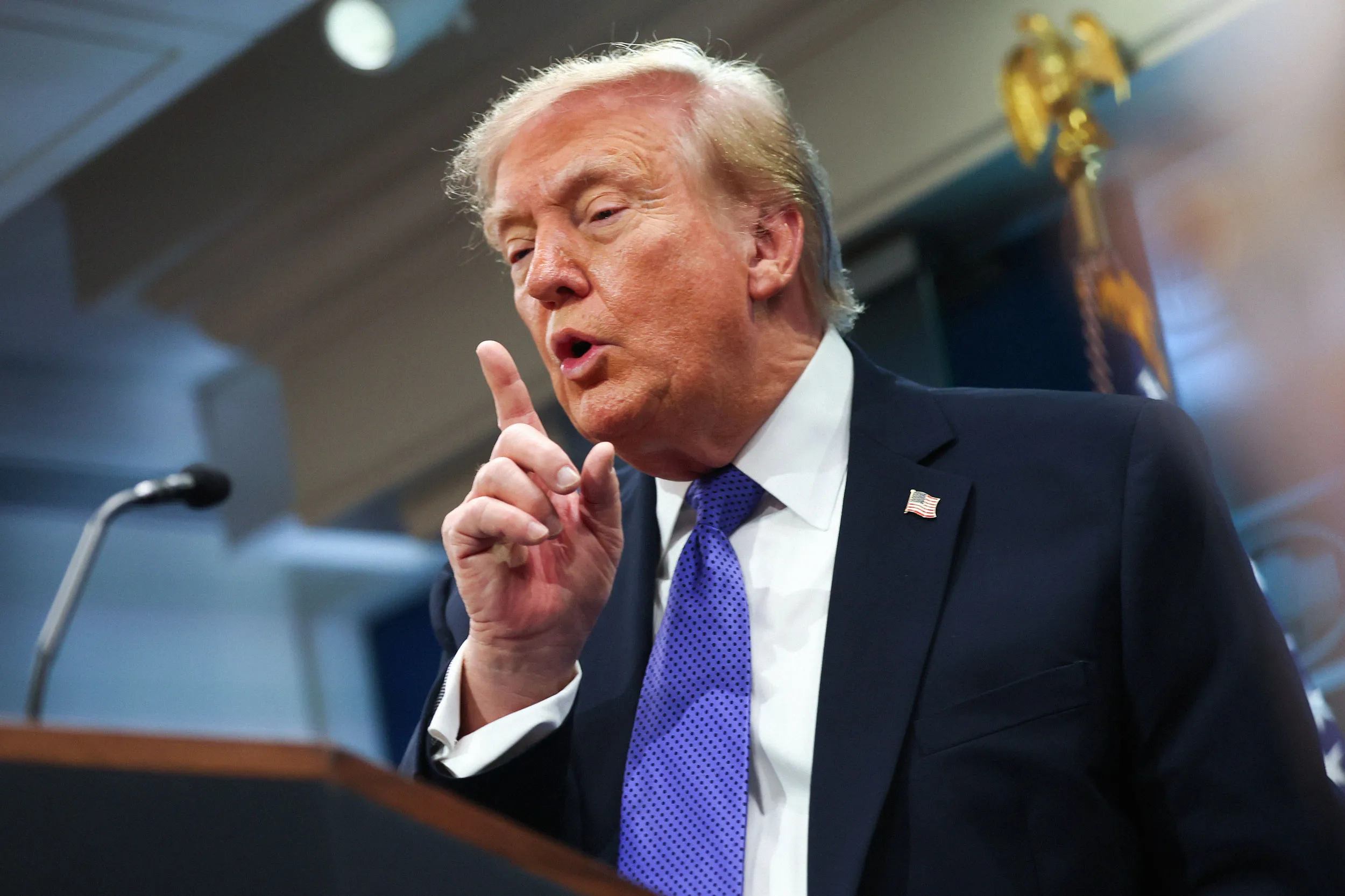
According to a report published by Wired, prominent election-denial movements have encountered deep dismay following recent midterm contests as former president Donald Trump broadly appeared to accept the overall results. The publication highlighted that grassroots organizers and activist networks, who anticipated widespread challenges to Democratic victories, were caught off guard by the absence of sustained pushback from high-profile political figures.
For multiple election cycles, claims challenging voting processes and ballot counting had served as a primary rallying cry for activist groups nationwide. News outlets and political analysts noted that extensive networks had spent months establishing local monitoring initiatives and preparing public messaging around potential electoral disputes.
However, as Democratic candidates secured victories across key battleground races, the expected high-level challenges largely failed to materialize. The reporting from Wired underscores that without explicit direction or coordinated legal backing from top leaders, many organizers felt abandoned and struggled to mount credible public campaigns.
The resulting tension highlights how heavily modern activist movements rely on signals from major party figures. Political observers point out that when leading figures refrain from amplifying allegations of widespread fraud, local groups frequently face immense difficulty sustaining enthusiasm, raising funds, or securing mainstream media coverage.
Strategists across the political spectrum view this tactical shift as reflective of broader debates over party direction and messaging. While maintaining skepticism over election administration can energize committed supporters, analysts argue that an overemphasis on past contests can alienate moderate swing voters who prioritize governance and economic concerns.
Meanwhile, institutional Republicans and legal scholars have consistently called for the party to focus on forward-looking policy proposals rather than disputed claims. Many consultants have warned that persisting with unsubstantiated theories risks suppressing turnout among conservative voters who might question the efficacy of casting a ballot.
Nonpartisan voting integrity advocates and election administrators have welcomed the broader acceptance of certified results, describing it as an important development for democratic resilience. Bipartisan election officials across numerous states have continued to emphasize that rigorous pre-election testing, post-election audits, and paper trails maintain high standards of accuracy.
Communication across online activist forums has reflected substantial frustration and division in the wake of the muted official response. While some participants have advocated for continuing local audit demands, others have expressed exhaustion, openly questioning the long-term viability of challenging certified outcomes without unified national leadership.
Looking ahead, the development signals a potential realignment among activist coalitions as national attention turns toward upcoming political cycles. Observers suggest that while grassroots interest in election administration remains present, political campaigns will face growing pressure to articulate clear, forward-looking platforms that address voter priorities rather than relitigating past contests.
Primary source: Wired. Newzly rewrites and structures source reporting for clarity; verify critical details at the original.