EPA Reports No Lead Contamination Following Iowa Munitions Detonation
Initial testing by the EPA found no toxic lead contamination following the Army's controlled detonation of five tons of lead azide in Iowa, despite community criticism over transparency.
In this piece
Federal environmental officials reported that initial tests detected no toxic lead contamination after the U.S. Army detonated roughly five tons of lead azide…
Initial environmental testing conducted following the controlled detonation of roughly five tons of lead azide in Iowa has detected no toxic lead contamination, according to findings released by the Environmental Protection Agency. The disposal operation, carried out by the U.S. Army on Wednesday, had drawn public attention and scrutiny over potential hazardous fallout in nearby areas.
U.S. Army officials characterized the controlled blast as an operational success shortly after the detonation was completed. Military leadership maintained that the operation was executed under strict safety protocols designed to neutralize the volatile stockpile effectively while mitigating risks to surrounding communities and personnel.
Despite the military's positive assessment, the operation faced immediate criticism from local observers and community advocates who pointed to a significant lack of transparency leading up to the event. Critics contended that notifications regarding the timing, scope, and potential environmental implications of detonating five tons of explosive material were insufficient to address public concerns.
Lead azide is an inorganic chemical compound primarily utilized as an explosive initiator and detonator in military munitions. Because it contains heavy metal lead, improper disposal or atmospheric dispersal during large-scale open detonations presents potential environmental and public health hazards, including soil, air, and water contamination.
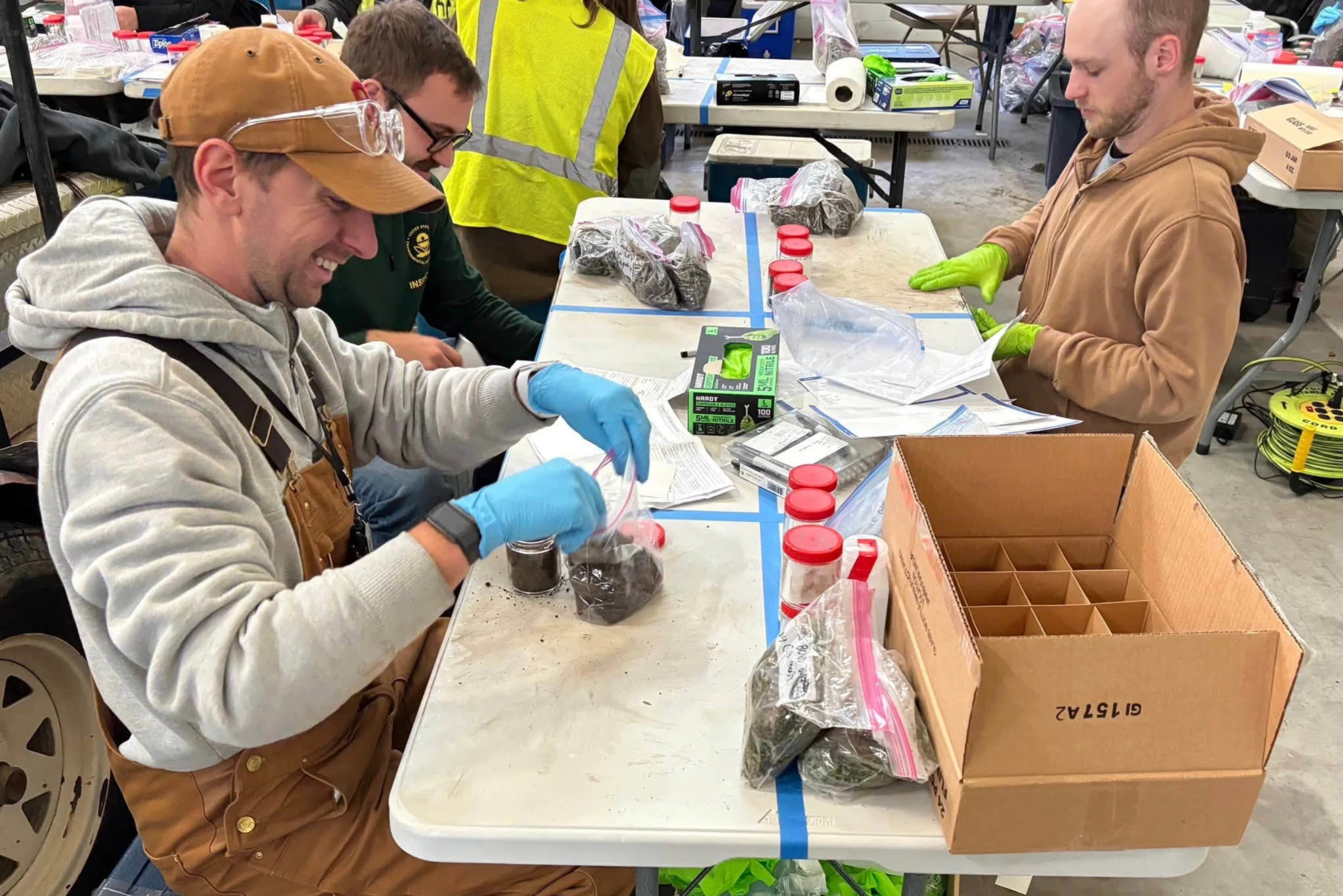
Following the blast, the EPA initiated testing protocols to evaluate ambient environmental conditions and verify whether heavy metal particulates had settled outside the designated containment area. The agency reported that preliminary sampling indicated no dangerous levels of toxic lead contamination in the analyzed surroundings, offering initial reassurance to the region.
Environmental health specialists note that initial screening results serve as an early indicator rather than a definitive conclusion for large-scale detonations. Comprehensive environmental assessments typically involve repeated soil sampling, stationary air particulate monitoring over multiple days, and groundwater evaluation to track any delayed dispersion or deposition patterns.
The incident highlights the ongoing friction between military disposal mandates and local community expectations for environmental stewardship. While defense agencies must periodically dispose of unstable or aging ordnance stockpiles to maintain facility safety, public apprehension often intensifies when operations are conducted in open-air settings without extensive prior public disclosure.
Federal environmental oversight remains a critical checkpoint for military installations conducting hazardous waste management and munitions disposal. Independent verification by civil agencies like the EPA plays a pivotal role in confirming compliance with federal clean air and hazardous waste standards during emergency or planned detonations.
Moving forward, regulatory personnel and regional authorities are expected to continue evaluating additional analytical data as laboratory verification processes conclude. While initial results provide welcome relief regarding acute lead contamination, calls persist for improved communication protocols and greater public engagement ahead of any future ordnance disposal operations in Iowa.
Primary source: NPR News. Newzly rewrites and structures source reporting for clarity; verify critical details at the original.