EU, Asia, and the US Compete in High-Stakes Regulatory Race for Crypto Business
Global competition in the Web3 sector has evolved into an intense jurisdictional race, with the European Union, Asia, and the United States vying to offer the legal clarity needed to attract capital and talent.
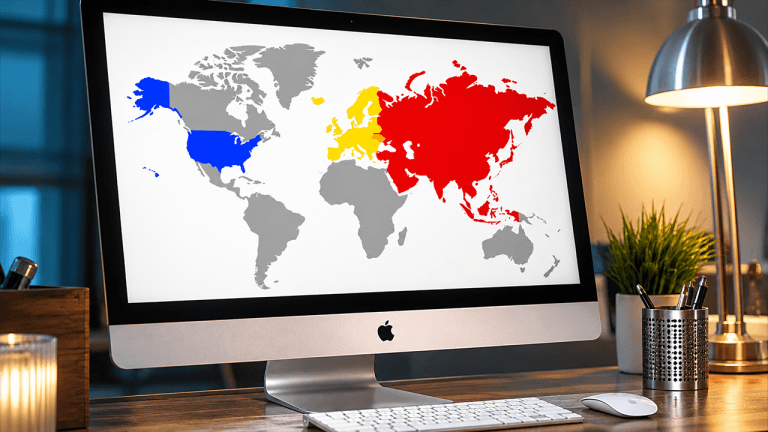
The primary battleground across the Web3 ecosystem has shifted away from commercial rivalries between individual digital asset exchanges and blockchain networks, giving way to an escalating contest among global jurisdictions. Major economic regions are increasingly positioning their regulatory frameworks to capture the expanding economic footprint of the digital asset industry.
According to analysis from Bitcoin.com News, the race centers on which global authorities can construct the most viable operating conditions for digital finance enterprises. Governments worldwide are recognizing that establishing clear supervisory ground rules can yield significant economic windfalls, including substantial new tax revenues and expanded domestic employment.
Attracting institutional capital and technical talent has become a central strategic objective behind these regulatory pushes. Jurisdictions capable of offering transparent, predictable oversight are best situated to draw high-growth technology companies that might otherwise establish operations in competing global hubs.
The European Union has sought to establish an early baseline in this international landscape by focusing on unified legal standards across its member states. By designing formal compliance regimes for service providers, European policymakers have aimed to eliminate cross-border fragmentation and provide commercial participants with long-term operational clarity.
Across Asia, several prominent financial centers have simultaneously moved to craft tailored frameworks designed to accommodate digital asset innovation alongside rigorous market protections. Regulators in the region have targeted enterprise growth by pairing licensing pathways with safeguards intended to reassure institutional investors and multinational firms.
Meanwhile, the United States continues to face sustained scrutiny over its overarching regulatory posture toward digital assets and distributed networks. Domestic industry participants and legal observers have consistently highlighted the risk of domestic market participants migrating offshore if clear statutory guidelines fail to materialize.
Beyond the immediate commercial inflows, the broader competition carries deep strategic implications for international economic influence. Jurisdictions that successfully anchor Web3 activity stand to capture critical financial technology architecture, shaping the global standards that govern future cross-border transactions and digital commerce.
Conversely, regions that maintain ambiguous policies or rely on fragmented oversight risk forfeiting their competitive advantage in the digital financial sector. Capital allocators and emerging technology firms have repeatedly demonstrated a readiness to relocate operations to regulatory regimes that offer long-term legal certainty.
Looking ahead, the contest between the European Union, Asian financial centers, and the United States is poised to intensify as global digital asset markets mature. How each regulatory bloc balances investor safeguards with industry incentives will ultimately determine which region emerges as the dominant global center for Web3 enterprise.
Primary source: Bitcoin.com News. Newzly rewrites and structures source reporting for clarity; verify critical details at the original.