Euclid Space Telescope Discovers Its First Previously Unknown Comet
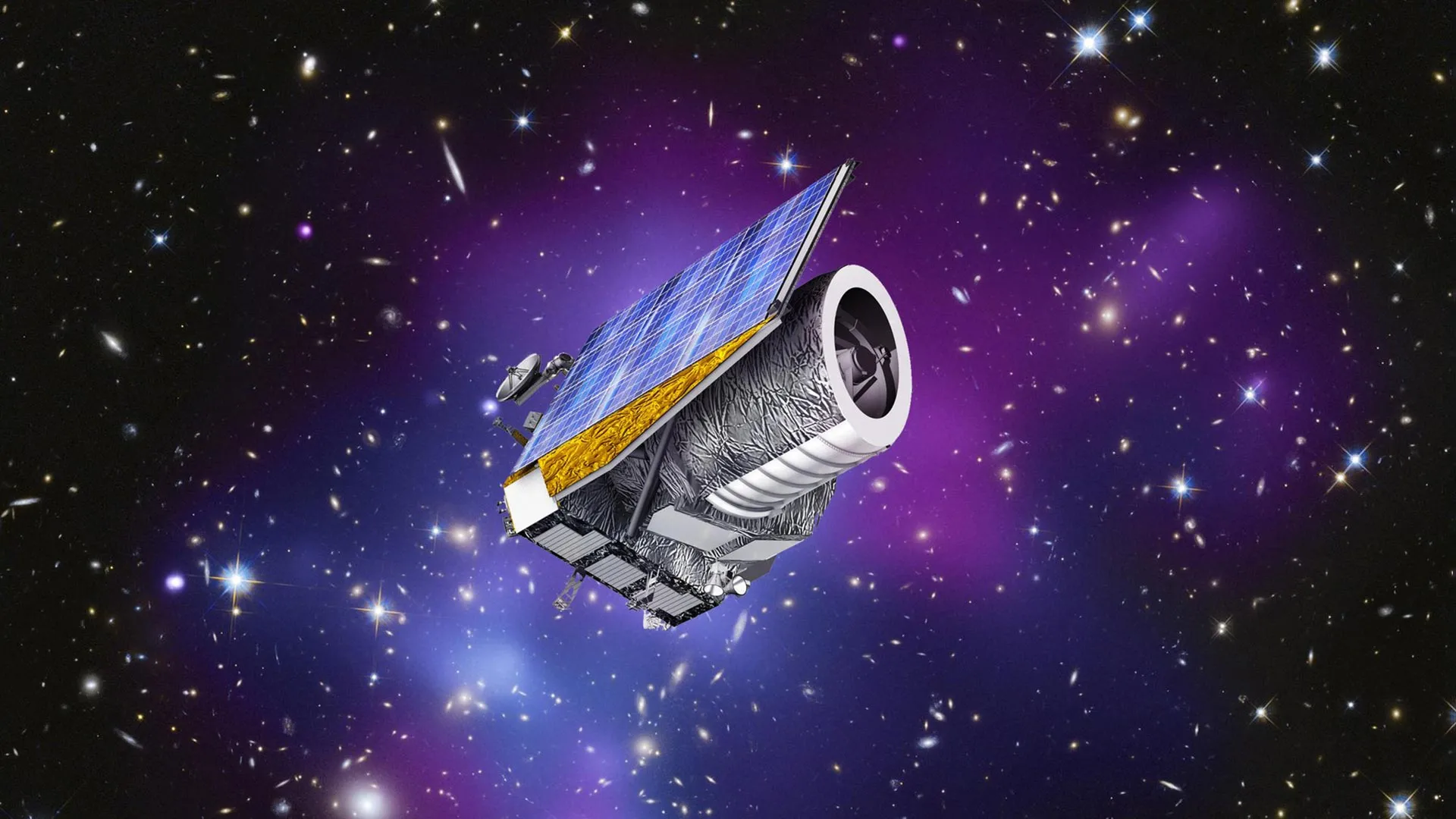
Designed to investigate distant galaxies and the dark Universe, ESA’s Euclid telescope has spotted a previously unknown comet about 1.3 billion kilometers from Earth, on an orbit lasting thousands of years.
In this piece
ESA’s Euclid space telescope has discovered its first previously unknown comet, according to ScienceDaily. The icy object lies approximately 1.3 billion…
The European Space Agency’s Euclid space telescope has discovered its first previously unknown comet, an unexpected finding for an observatory designed to study distant galaxies and the dark Universe. According to ScienceDaily, the icy object is approximately 1.3 billion kilometers from Earth and follows an unusual orbit lasting thousands of years.
The discovery places a comparatively nearby object in the spotlight of a mission whose scientific focus lies far beyond the solar system. Although the supplied report describes this as Euclid’s first discovery of a previously unknown comet, it does not identify the object by name or provide a formal designation.
Euclid’s intended work concerns distant galaxies and the mysteries of the dark Universe, including dark matter. The comet is a separate kind of discovery: an icy object with a long orbital journey, rather than evidence that resolves the questions the telescope was built to investigate. Its detection should not be confused with a discovery of dark matter itself.
The reported distance offers one measure of how far away the comet was when described, but it does not establish the full shape or extent of its orbit. Likewise, an orbital period measured in thousands of years indicates a lengthy journey without supplying an exact timetable. The brief account gives no more precise period.
The orbit is described as unusual, though the supplied material does not explain which characteristics distinguish it. Without those details, it is not possible to say whether that description refers to its shape, orientation or another feature. The report also provides no basis for assigning the comet to a more specific orbital category.
The finding illustrates how an observation program aimed at one set of scientific questions can also reveal objects outside its central focus. Here, the contrast is particularly clear: a telescope investigating the distant Universe has identified a comet much closer to home. That unexpected result is the central significance established by the available account.
Important details remain absent from the brief report, including the comet’s size, composition and brightness, as well as the circumstances of its detection. It also does not describe any planned follow-up observations. Those omissions limit what can be concluded about the object beyond its reported distance, icy nature and long orbital period.
Further information would be needed to explain the unusual orbit and establish what additional study might reveal about the comet. For now, ScienceDaily’s account presents the discovery as an unexpected addition to Euclid’s work, rather than a change to its mission: a newly identified solar-system object found by a telescope looking toward the dark Universe.
Primary source: ScienceDaily. Newzly rewrites and structures source reporting for clarity; verify critical details at the original.