Ex-wife of Zimbabwe's vice-president freed after collapse of attempted murder case
Marry Mubaiwa spent nearly seven years on remand facing charges that she tried to disconnect Vice-President Constantino Chiwenga's life support during his 2019 hospitalisation in South Africa.
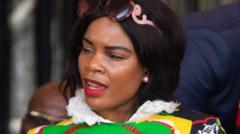
A Harare magistrate has freed Marry Mubaiwa, the ex-wife of Zimbabwe Vice-President Constantino Chiwenga, after removing her from remand on the charge of attempted murder — ending nearly seven years of legal proceedings that her defence team condemned as politically motivated.
Magistrate Musaiona Shotgame rejected a fresh State application for postponement on 27 October 2026, ruling that the protracted case had caused Mubaiwa substantial mental, physical and financial prejudice. Mubaiwa emerged from court to tell supporters: "Ah tahwina isu — we have won. I'm so happy."
The charges against Mubaiwa dated to 2019 and centred on an allegation that she had removed an intravenous tube from Chiwenga's chest while he was receiving treatment at a South African hospital following a serious illness. Prosecutors also pursued separate counts of perjury linked to the couple's marriage and money laundering, though the attempted murder charge carried the gravest potential consequences.
Chiwenga himself repeatedly failed to appear in court despite judicial warnings, and Magistrate Shotgame questioned publicly why no arrest warrant had been issued against him — a line of questioning that drew attention to what critics described as unequal treatment before the law.
Mubaiwa's health deteriorated dramatically throughout the proceedings. She underwent the amputation of her right arm in September 2022 and lost her left leg in 2024, both as a result of complications from acute lymphoedema. Her lead lawyer, Beatrice Mtetwa, one of Zimbabwe's most prominent human rights attorneys, argued that a judgment in Mubaiwa's favour "ought to have come even before 2022."
Mtetwa also vigorously challenged the State's evidence during the trial, questioning testimony from former Deputy Health Minister John Mangwiro and pointing to the absence of any documentary record in the South African hospital files or forensic evidence to support the alleged tampering.
The case was further complicated when the magistrate originally presiding over the matter was elevated to the High Court, raising the possibility that proceedings would be restarted entirely from scratch — a prospect that would have extended Mubaiwa's legal ordeal still further.
Mubaiwa and Chiwenga's relationship broke down acutely around the time of the 2019 charges, and she consistently maintained that the prosecution was driven by their bitter divorce dispute rather than any genuine criminal conduct. Her supporters argued that the State's inability to bring the case to trial over seven years validated those claims.
Removing a defendant from remand ends the obligation to attend routine court hearings and effectively collapses the active prosecution, though it is technically distinct from a formal acquittal on the merits. In practice, given the duration of the case and the magistrate's findings on prejudice, legal observers said a resumption of proceedings would be extremely unlikely.
The outcome is likely to renew scrutiny of Zimbabwe's justice system and the use of extended remand periods against individuals perceived to be in political conflict with senior government figures. Rights groups have long documented cases in which politically connected prosecutions proceed at an exceptionally slow pace, with defendants kept in legal limbo for years without trial.
Primary source: BBC World. Newzly rewrites and structures source reporting for clarity; verify critical details at the original.