Excavator Spotted Near Sacred Sheshnag Lake in Kashmir Sparks Public Outcry
Circulating footage of an excavator operating near Sheshnag Lake in Kashmir has triggered sharp public backlash, raising pressing alarms over ecological disruption to the revered Himalayan alpine site.
In this piece
Video footage showing an excavator operating in close proximity to Sheshnag Lake in Kashmir has ignited widespread outrage. Environmental observers and local…
Video footage showing heavy excavation machinery operating near Sheshnag Lake in Kashmir has ignited widespread public concern and sharp criticism across the region. The visual evidence of earthmoving equipment stationed in close proximity to the pristine alpine water body has drawn immediate alarm from local communities and environmental advocates. Observers have voiced deep unease over the presence of industrial equipment in an area recognized for its extreme ecological sensitivity.
According to video coverage published by Al Jazeera, the circulating clips documenting the excavator near the mountain lake rapidly prompted public debate and outrage. The imagery shows mechanical earthmoving equipment positioned near the water's edge in the high-altitude terrain. The emergence of the footage across public platforms has swiftly intensified scrutiny over mountain stewardship and conservation protocols.
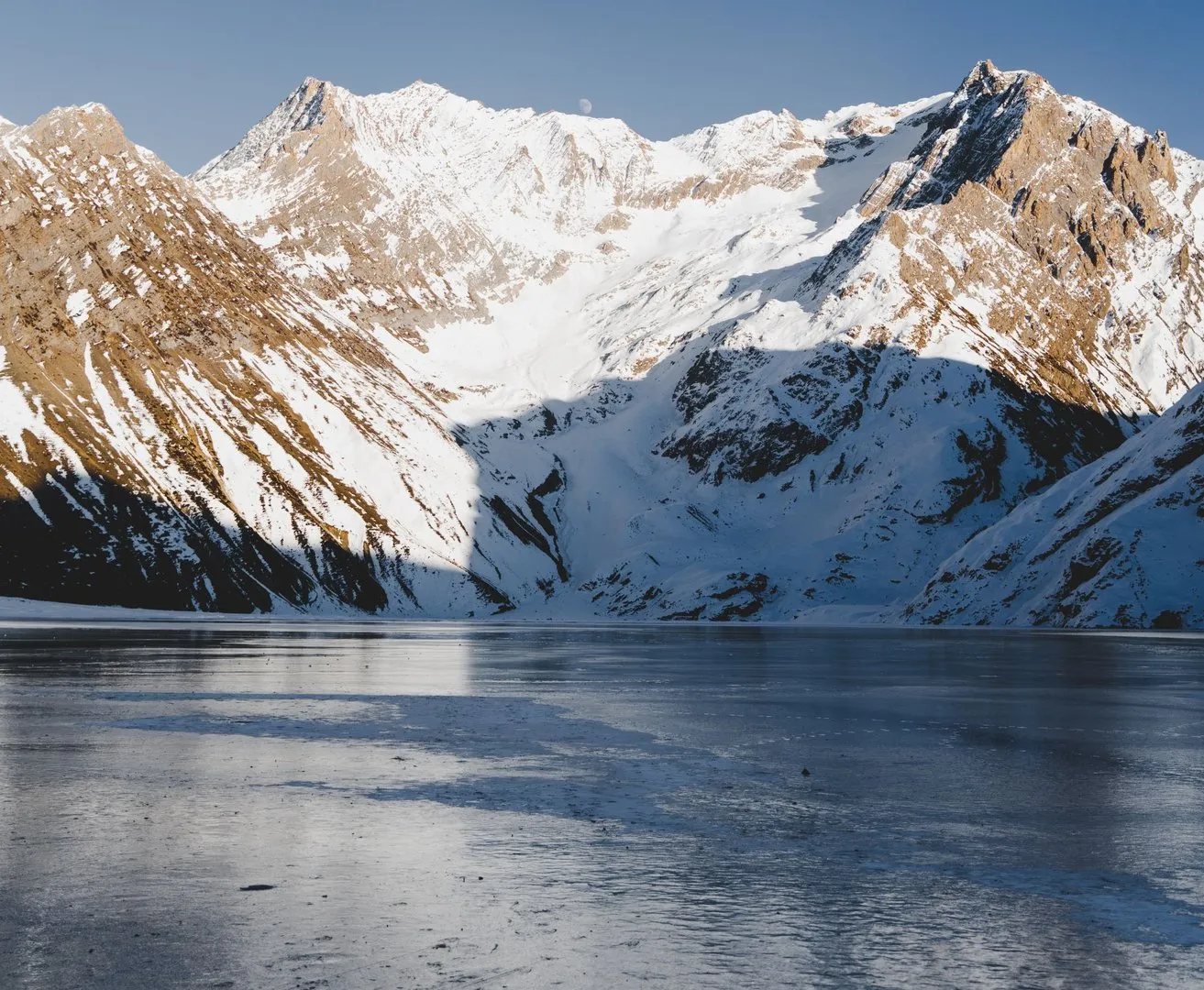
Sheshnag Lake is widely revered as a sacred alpine water body nestled in the high-altitude Himalayan mountain range of Kashmir. Beyond its profound spiritual importance to pilgrims, travelers, and local communities, the lake represents an indispensable component of the regional watershed. Its high elevation and remote setting have historically offered natural protection against intensive mechanical development and commercial disturbance.
High-altitude Himalayan water bodies are recognized by environmental scientists as exceptionally fragile ecosystems that depend on delicate hydrological and geological balances. The surrounding alpine soil is thin, loose, and prone to rapid degradation when subjected to mechanical disruption. Experts consistently warn that even minor physical disturbances along alpine lake perimeters can trigger severe erosion and alter vital water drainage patterns.
The deployment of heavy earthmoving machinery in such a sensitive mountain zone has amplified fears of irreversible environmental harm. Critics argue that heavy tracks and motorized excavation can destabilize fragile slopes, promote siltation, and degrade pristine water quality. Furthermore, the operational hazards of heavy machinery, including potential fuel leaks and mechanical waste, pose direct contamination threats to sensitive glacial and snowmelt reservoirs.
The exact purpose, official mandate, and administrative clearance for operating an excavator at the lake have not been clarified in initial reports. Observers and community leaders have noted that it remains uncertain whether the equipment was brought in for government-sponsored infrastructure, trekking path maintenance, or private developmental work. This absence of immediate transparent documentation has heightened skepticism among environmental watchdogs.
The controversy at Sheshnag Lake reflects a wider, persistent dilemma across the Himalayan belt regarding the pace of infrastructure expansion in ecologically delicate highlands. Over recent years, regional initiatives aimed at improving accessibility and accommodating higher visitor numbers have repeatedly clashed with conservation priorities. Environmental advocates have long argued that heavy engineering interventions in high-altitude zones often proceed without comprehensive environmental impact assessments.
The sacred status of Sheshnag Lake has added an acute cultural and emotional resonance to the public backlash. For centuries, the body of water has been treated with deep veneration, making the introduction of industrial construction equipment particularly contentious for worshippers and local custodians. Many residents view mechanical intrusion as a disregard for both sacred heritage and traditional environmental guardianship.
Because preliminary reporting has not detailed official responses from regional administrative bodies, substantial questions regarding accountability remain unanswered. Civic organizations and conservation observers have urged regulatory agencies to issue a prompt public accounting of the machinery's presence. In the absence of an official explanation, demands have grown for an immediate moratorium on any unauthorized mechanical activity near the lake perimeter.
Moving forward, public pressure is likely to center on establishing formal safeguards and monitoring mechanisms for high-altitude water bodies across the region. Environmental advocates emphasize that preserving high Himalayan lakes requires rigorous enforcement of conservation mandates and active transparency from governing bodies. How authorities respond to the emerging footage will likely serve as an important benchmark for environmental oversight in the territory.
Primary source: Al Jazeera. Newzly rewrites and structures source reporting for clarity; verify critical details at the original.