F1 Title Within Reach for Kimi Antonelli at Austin as Drivers Decry Bumpy Track
Mercedes prodigy Kimi Antonelli can become the youngest champion in Formula One history at the United States Grand Prix, even as rivals blast dangerous track conditions.
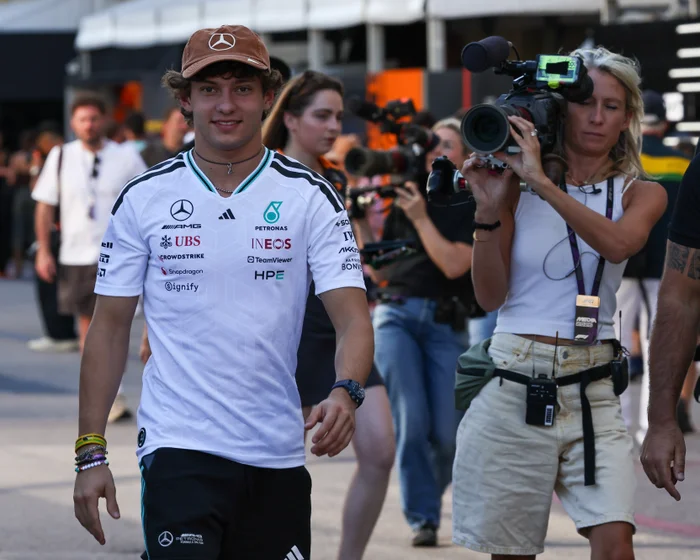
Mercedes driver Kimi Antonelli stands on the brink of Formula One history this weekend at the United States Grand Prix in Austin, Texas. At just 20 years old, the Italian has a mathematical opportunity to secure the world drivers' championship. A favorable finish on Sunday would make him the youngest title winner in the sport's history, eclipsing Sebastian Vettel’s longstanding record established in 2010.
While Antonelli has approached the race weekend insisting his focus remains simply on enjoying the moment, the atmosphere across the paddock at the Circuit of the Americas has been clouded by escalating safety concerns. Multiple drivers have voiced intense frustration regarding the state of the Texas circuit. Significant alarm has centered on the physical toll the violently uneven asphalt inflicts on drivers inside modern ground-effect machinery.
Should Antonelli seal the title on Sunday, he will surpass Vettel, who claimed his maiden crown at age 23 while driving for Red Bull. Antonelli was only four years old when the German driver set that mark sixteen years ago. The Italian's swift ascent to championship contention has established him as one of motorsport's most extraordinary talents in recent memory.
Yet the potential coronation unfolds against vocal driver unrest concerning circuit conditions. Reigning world champion Max Verstappen was among the sharpest critics, branding the bumpy Austin surface unacceptable and warning that competitors are being forced to suffer in the cockpit. The Dutchman highlighted substantial strain on the lower spine during high-speed runs over the undulating track.
Verstappen was not alone in warning of potential health consequences. McLaren driver Lando Norris reported acute discomfort during practice runs, noting that violent headrest impacts left him reaching for headache medication. Several competitors emphasized that enduring such aggressive vertical impacts over a full grand prix distance tests the limits of driver endurance.
The problem is magnified by the current technical era of Formula One cars, which rely on low, stiff suspension setups to maximize underfloor aerodynamic suction. Paired with low-profile tires, the cars lack the mechanical travel to absorb sharp jolts. The Circuit of the Americas has long suffered from shifting ground beneath its foundation, creating recurring bumps despite repeated resurfacing initiatives.
Mercedes driver George Russell pointed out that the jarring surface forces teams into difficult setup compromises. Race engineers must balance raising car ride heights to safeguard driver health and chassis components against lowering the car to retain vital aerodynamic downforce. Getting that compromise right could prove pivotal in Antonelli's quest to secure the championship.
The collision of historic opportunity and severe physical punishment creates an unpredictable dynamic for the race ahead. Antonelli faces the dual challenge of managing the physical pounding from the circuit while preserving his composure under immense title pressure. His rivals must endure the exact same grueling environment as they fight to postpone his celebration.
Sunday's 56-lap contest will determine whether the Italian sensation enters the history books or sees the championship fight extended. Regardless of the outcome, the intense driver backlash over circuit safety ensures that track conditions in Austin will remain under heavy scrutiny long after the checkered flag falls.
Primary source: The Guardian Sport. Newzly rewrites and structures source reporting for clarity; verify critical details at the original.