Fed’s Oct. 28 Decision Puts Rate Outlook and AI Stocks in Focus
The Federal Reserve is expected to leave interest rates unchanged, but its guidance on potential future increases could matter more for stocks, particularly companies tied to artificial intelligence.
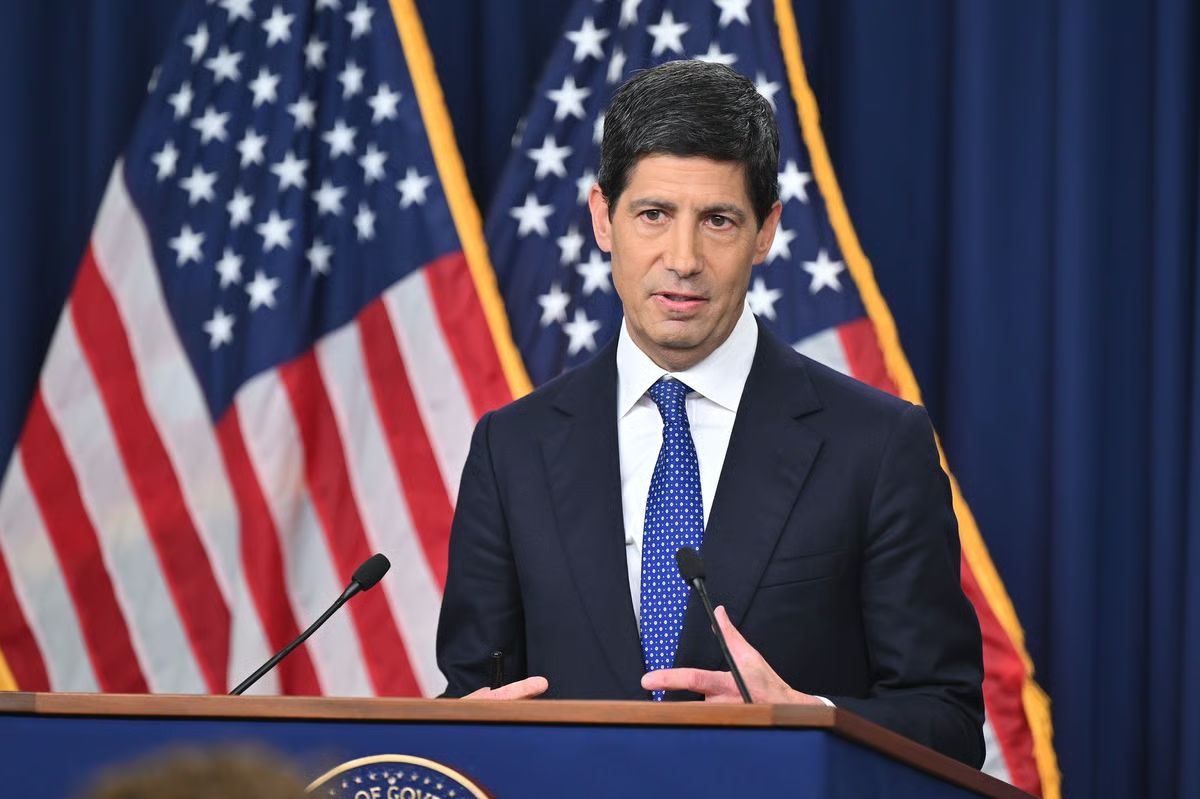
The Federal Reserve’s Oct. 28 interest rate decision could test stock market sentiment even if policymakers leave borrowing costs unchanged. A Motley Fool preview distributed through Yahoo Finance Markets highlights the possibility that signals about future rate increases could unsettle shares tied to artificial intelligence.
The Fed’s official calendar confirms that its policy committee meets Oct. 27–28, 2026. The immediate question is whether rates change, but the preview’s central argument concerns what policymakers communicate about the path beyond this meeting. An expected hold would not, by itself, rule out another increase later.
That distinction matters because stock prices reflect expectations about future financial conditions, not simply the interest rate in effect today. In general, a message suggesting tighter policy ahead can change how investors assess corporate financing costs and prospective earnings. Those adjustments can occur without an immediate rate increase.
For the AI trade, the potential vulnerability is the relationship between growth expectations and valuations. As a matter of valuation mechanics, higher discount rates reduce the present value of anticipated future cash flows. Businesses whose investment appeal depends heavily on profits expected further into the future can be particularly sensitive to that calculation.
This does not mean that an unchanged rate decision would automatically hurt AI stocks, or that tougher language would produce a uniform selloff. Market reactions depend on how the announcement compares with expectations already reflected in prices. The supplied preview flags a possible catalyst rather than establishing a direction or scale for any move.
Interest rates also provide a separate channel through financing costs. To the extent that a company relies on borrowing to fund expansion, a higher future rate environment could make investment more expensive. That is a general consideration, not evidence from the supplied material that any particular AI business faces funding difficulties.
The distinction between company performance and market valuation is important. A shift in rate expectations can alter what investors are willing to pay for projected earnings without demonstrating that demand for a company’s products has changed. Conversely, a reassuring policy message would not establish that every AI-related stock is attractively valued.
The available source excerpt offers no company-specific forecasts, valuation estimates or projected market moves. Its warning is therefore best understood as a policy-risk scenario, rather than a prediction that the AI trade will reverse. The full article could not be independently accessed, limiting verification of any additional supporting analysis.
After October, the Fed’s calendar lists its next scheduled policy meeting for Dec. 8–9, with a Summary of Economic Projections. That provides the next formal checkpoint for the rate outlook. For now, the preview’s focus remains on whether the Oct. 28 decision leaves investors reassured about borrowing costs or confronting the possibility of further tightening.
Primary source: Yahoo Finance Markets. Newzly rewrites and structures source reporting for clarity; verify critical details at the original.