Fertility and religious population claims feature in Gujarat report
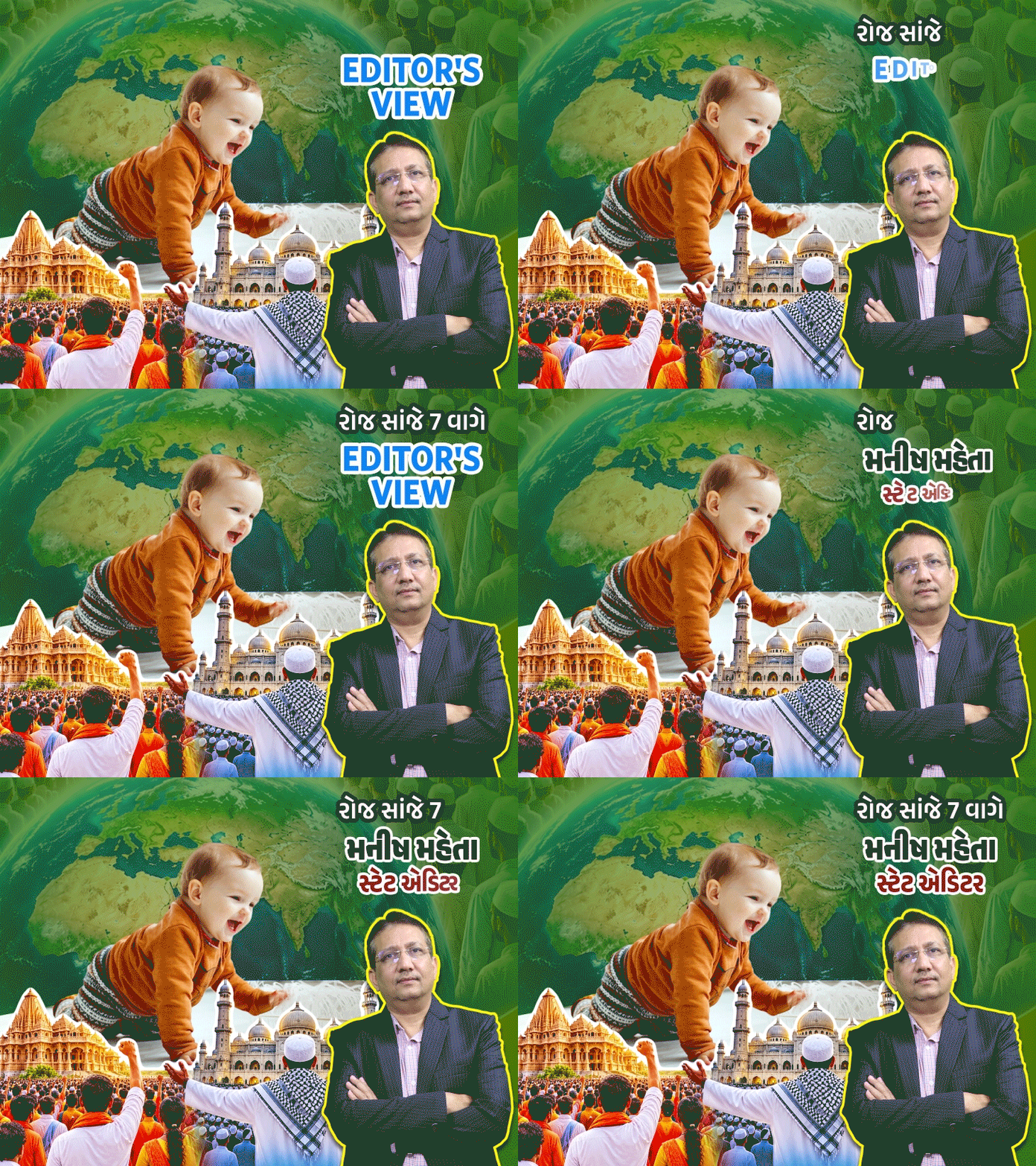
A Divya Bhaskar International headline links Muslim population trends with generational change in India and concerns about Gujarat, but the supplied material contains no data to substantiate its claims.
In this piece
A Divya Bhaskar International headline raises concerns about religious population trends and generational change in India, singling out Gujarat. However, no…
A Divya Bhaskar International headline has raised claims about Muslim population trends, generational change in India and Gujarat’s demographic outlook. However, the supplied material consists only of a headline and a link, without the article text or supporting evidence needed to assess those claims.
The Gujarati headline suggests that the population picture could change within 10 years and attributes a warning to an American report. It does not identify that report, its authors, its publication date or the population measures on which the suggested change is based. The attribution therefore cannot be independently evaluated from the material provided.
The headline also characterizes a Generation Z trend as dangerous for India and describes Gujarat’s situation as the worst. Neither assertion is accompanied by a definition, comparison or numerical finding. It is consequently unclear what behavior is being discussed or which indicator supposedly places Gujarat behind other states.
Religious population claims require particular care because population size, population share and fertility describe different things. A community can grow in absolute numbers without a comparable increase in its share of the total population. The supplied headline does not establish which of these measures its reference to Muslims concerns.
A prediction covering the next decade likewise needs a clear starting point and an explanation of the assumptions behind it. Demographic projections describe possible outcomes under specified conditions rather than guaranteed events. Without the cited research, there is no basis here to determine whether the headline accurately reflects a projection or overstates its conclusions.
The reference to Generation Z raises a separate question about how individual choices are being connected to wider population patterns. The supplied material contains no survey, age definition or evidence establishing the scale of the unnamed trend. It also provides no basis for attributing a national demographic outcome to that generation.
Gujarat’s prominence in the headline makes state-level evidence especially important. A claim that its position is the worst would require a stated measure, a relevant period and comparable findings for other states. None of those details appears in the supplied material, so the characterization should not be treated as an established ranking.
The underlying issues warrant a distinction between documented demographic findings and interpretations attached to them. Assessing this report would require the full article and the original research it cites, including the relevant tables and projection assumptions. Until those are available, the headline’s warning, its religious population implications and its assessment of Gujarat remain unverified rather than confirmed findings.
Primary source: Divya Bhaskar International. Newzly rewrites and structures source reporting for clarity; verify critical details at the original.