Fiona the Hippo Dies at Cincinnati Zoo After Swallowing Hat
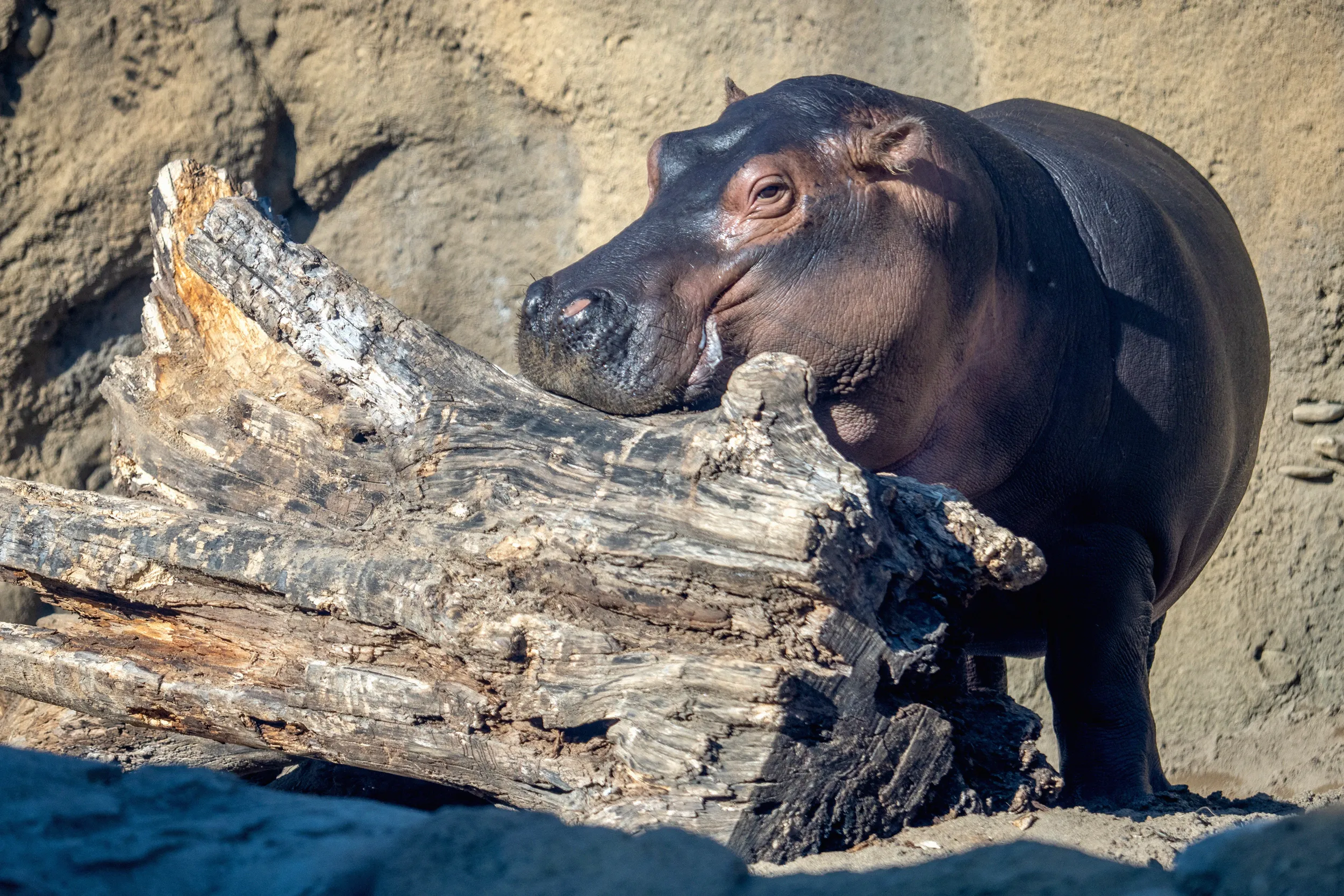
Fiona, the famed nine-year-old hippo who survived a premature birth at the Cincinnati Zoo, has died after ingesting a knit hat, highlighting the lethal danger foreign objects pose to large wildlife.
In this piece
Beloved Cincinnati Zoo hippo Fiona has died at age nine after swallowing a knit hat that caused fatal complications. Veterinary experts explain how foreign…
Fiona, the beloved hippo at the Cincinnati Zoo who captured international attention after surviving a premature birth, has died after ingesting a knit hat. The loss of the celebrated nine-year-old animal has brought widespread grief to zoo staff, local residents, and a global following that had monitored her journey for nearly a decade. Officials and animal care teams were left grappling with the sudden demise of one of the zoo world's most recognizable ambassadors.
Weighing roughly 2,500 pounds, Fiona was a massive creature whose outward strength contrasted sharply with the internal vulnerability that led to her death. While a heavy mammal might appear capable of weathering unusual dietary mishaps, foreign objects introduce severe anatomical hazards. Veterinary experts noted that synthetic textiles dropped into enclosures present uniquely dangerous threats to grazing herbivores regardless of their physical size.
The fatal complication stems directly from the specialized anatomy of the hippopotamus digestive system. Hippos are pseudo-ruminants equipped with complex, multi-chambered stomachs designed specifically to ferment coarse grasses and plant fibers. Because their digestive tracts rely on precise microbial action and slow transit times, they are ill-suited to passing foreign, synthetic items.
When an item such as a knit hat is swallowed, gastric acids cannot break down the dense yarn or synthetic fibers. The cloth instead absorbs fluids, tangles, and risks becoming wedged within the narrow passages connecting the stomach compartments or the upper intestines. Once anchored in place, the material forms an impassable mechanical obstruction that halts the entire digestive process.
Such blockages can quickly trigger a cascade of life-threatening veterinary emergencies. Pressure behind the obstruction impedes blood supply, leading to rapid tissue inflammation, systemic infection, and severe gastrointestinal distress. Performing exploratory abdominal surgery on an adult hippo presents extraordinary technical hurdles, as general anesthesia and invasive surgical procedures on multi-ton mammals carry immense operational risk.
Fiona had long been celebrated as a symbol of resilience after surviving against steep odds early in life. Born premature at the Cincinnati Zoo, she initially required intensive around-the-clock medical interventions and dedicated nursing care to survive infancy. Her remarkable recovery captured public imagination, transforming her into an enduring internet phenomenon and a prominent fixture in zoological conservation education.
Over the course of nine years, she steadily grew to her adult weight of 2,500 pounds while serving as a centerpiece for the zoo's educational outreach. Visitors traveled from across the country to witness her daily routines, while millions more followed her progress through frequent digital updates. Her life served as a rare window into hippo behavior and care, fostering widespread affection for her species.
Her sudden death highlights the severe, ongoing challenge zoological parks face regarding unintentional litter and visitor items entering animal habitats. Objects such as hats, sunglasses, and bags held near observation railings can easily slip from guests' hands into deep pools or outdoor yards. For curious or opportunistic animals that naturally forage along enclosure floors, these discarded articles are often sampled or ingested before staff can intervene.
The tragedy is expected to intensify conversations surrounding habitat barrier design and visitor safety protocols across zoological institutions nationwide. Facilities continually evaluate how best to protect vulnerable residents without compromising the up-close viewing experiences that inspire conservation awareness. For the Cincinnati community and wildlife enthusiasts worldwide, Fiona's passing stands as a painful reminder of how fragile even the largest animals remain in the face of human-made hazards.
Primary source: Wired. Newzly rewrites and structures source reporting for clarity; verify critical details at the original.