Fitbit Edge skips NFC as Google cites low payment usage
Google says the Fitbit Edge lacks contactless payments because fewer than 1% of Charge 6 users used the feature, with development priorities shifting toward display, battery and elevation tracking.
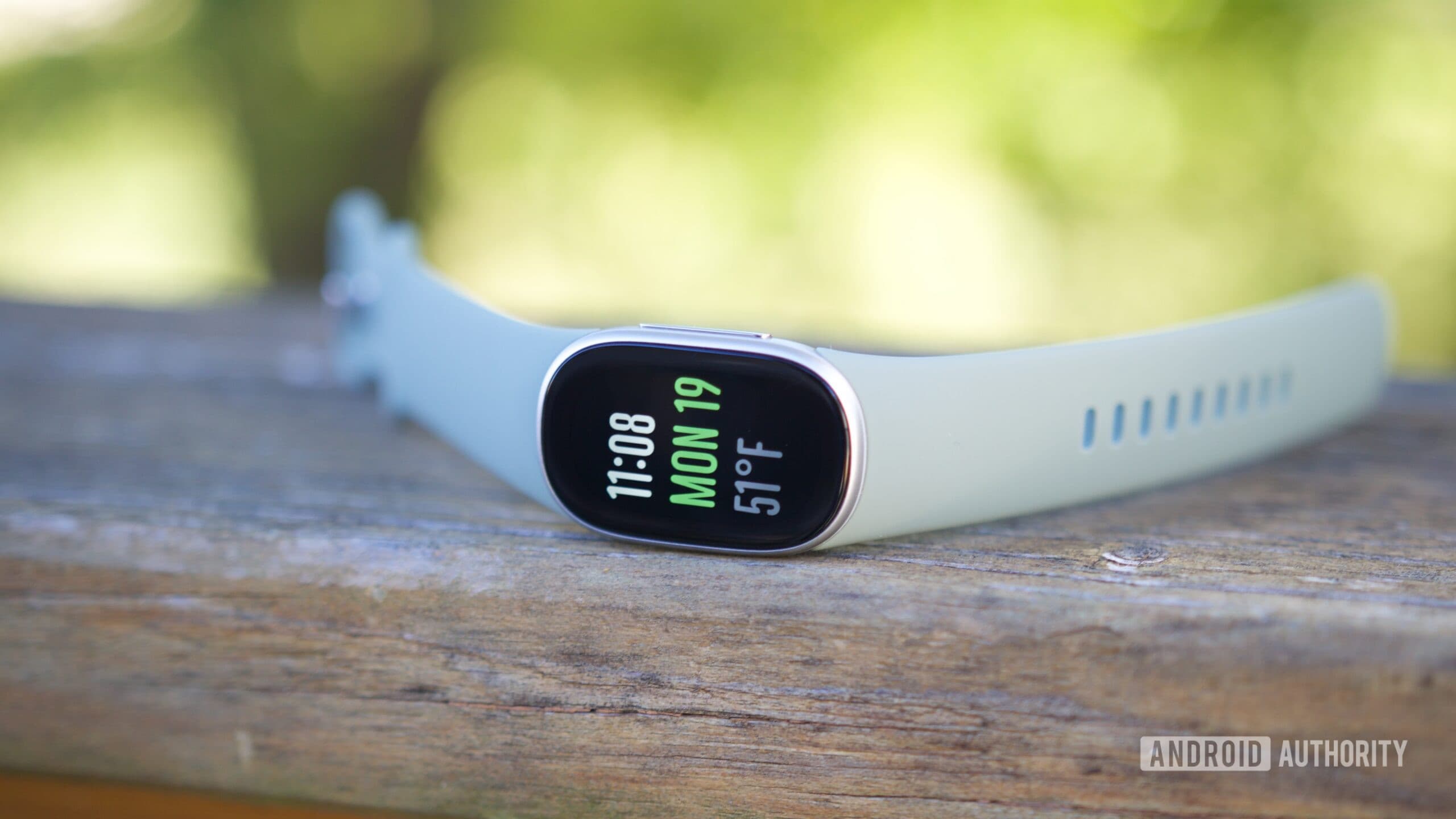
The Fitbit Edge does not support NFC payments, Google confirmed to Android Authority, leaving the fitness tracker without wrist-based contactless purchases. Google attributed the decision to limited use of the feature on the Charge 6 rather than presenting payments as a priority for its new wearable.
According to the company's statement to the publication, fewer than 1% of Charge 6 users reported using NFC payments. In a follow-up explanation, Google said its analytics and customer feedback informed a redesign that prioritized a larger display, a bigger battery and an altimeter.
The omission creates a practical distinction for anyone moving from a payment-capable Fitbit. A feature they could previously use at checkout will not be available on the Edge, even as the newer tracker adds capabilities focused on exercise and everyday health monitoring.
Google's official specifications list a 1.34-inch AMOLED display, built-in GPS and up to seven days of battery life. Its sensor lineup includes an altimeter, an optical heart-rate sensor, skin-temperature sensing and electrical sensors compatible with the ECG app. Those specifications establish the device's fitness emphasis without replacing the convenience of payments.
The Google Store lists the Edge from $179.99. Its product page highlights outdoor route mapping using GPS and elevation tracking with the altimeter, alongside automatic workout recognition. These are concrete examples of the activity-focused capabilities Google is emphasizing as it explains its product choices.
Contactless payments remain available elsewhere in Fitbit's lineup. Google's payment support documentation lists the Charge 4, Charge 5 and Charge 6 among compatible devices, along with several Sense and Versa models. The same guidance says supported trackers can pay at stores accepting contactless transactions and on certain transit systems.
For those compatible devices, Google says users must add a supported credit or debit card through the companion app. Payment availability also depends on participating banks and supported markets, so owning a payment-capable Fitbit does not alone guarantee that every card will work. Google maintains a Fitbit-specific list of supported payment methods.
Once a compatible Fitbit is set up, Google's guidance says the phone does not need to be nearby to complete a payment. That independence explains why the omission may matter to people who use their tracker while leaving other devices behind. Edge buyers who need that function will have to use a separate payment method.
Google's explanation frames the decision as a trade-off based on measured usage, rather than a claim that contactless payments have no value. The next test is whether the Edge's activity features and battery improvements outweigh the missing convenience for prospective buyers. For now, Google's stated priorities leave wrist-based payments outside the device's feature set.
Primary source: Android Authority. Newzly rewrites and structures source reporting for clarity; verify critical details at the original.