Flooding continues to affect roads across Central Florida, WESH reports
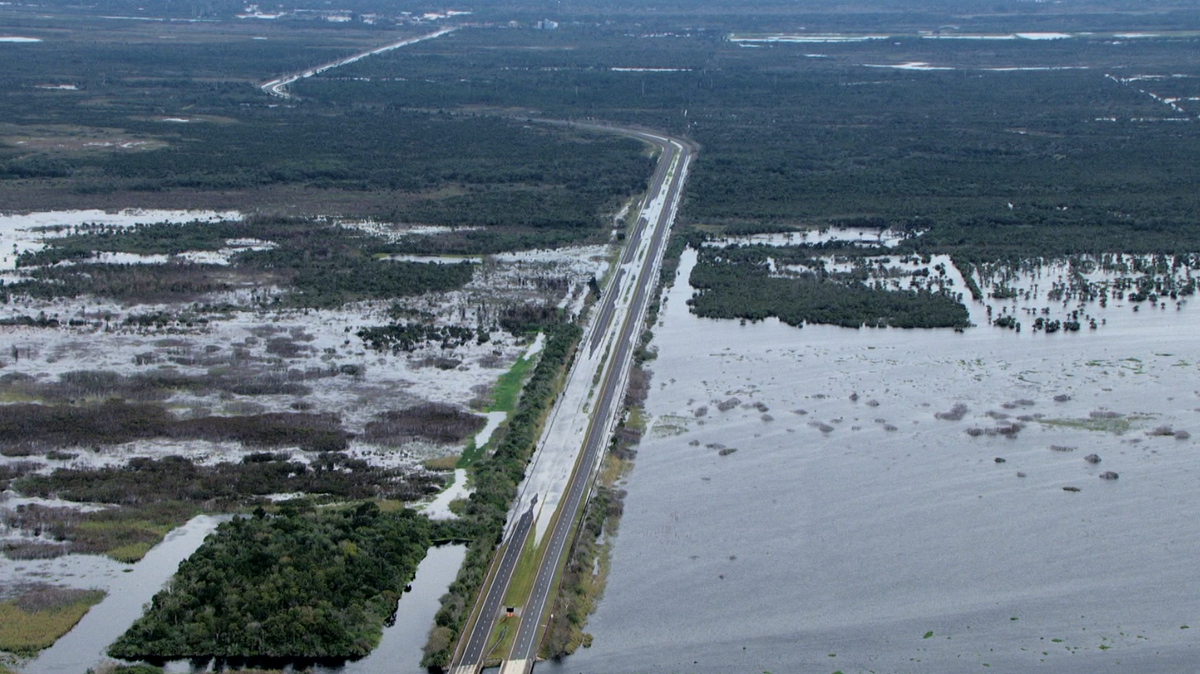
WESH reports that flooding is still disrupting roads in Central Florida, with closures remaining part of the local picture. Details on which routes are shut were not included in the brief available here.
In this piece
Flooding continues to affect travel on Central Florida roads, according to a WESH report highlighted by Google News. The station says closures remain in effect,…
Flooding is continuing to affect roads in Central Florida, and drivers are still being told to watch for closures, according to a report from Orlando television station WESH. The item, circulated through Google News under a Florida news feed, carries the headline that flooding continues to impact Central Florida roads and points readers to a list of what is closed.
The material available from that feed is limited to the headline, the station credit, and a link. It does not include the station’s road-by-road list, any rainfall measurements, any named officials, or any statement about how long the flooding is expected to last. Those details, if published by WESH, sit in the full report rather than in the summary used here.
Central Florida is a broad region rather than a single city or county. The WESH headline does not identify a particular municipality, county, or roadway. Because of that, this account does not assign the flooding to any one community or name any street as closed.
Continued flooding on roads matters because standing water can make familiar routes impassable and can hide damage beneath the surface. Even after rain eases, water can remain in low spots, along shoulders, and at intersections that drain slowly. The WESH framing — that flooding “continues” and that readers should see what is closed — indicates the disruption was still underway at the time of the report, not that it had fully cleared.
For people who live or travel in the region, the practical question is which roads are open. A headline that invites viewers to check closures is a signal to rely on the station’s list and on local transportation updates rather than on assumptions about a usual commute. This summary cannot substitute for that list.
Public safety guidance in flood conditions is well established in general terms: motorists are commonly urged not to drive through flooded roadways because depth and current are hard to judge from a vehicle. That is standard advice from transportation and emergency agencies nationwide. Nothing in the short WESH item quoted here restates that guidance, names an agency, or describes rescues, injuries, or property damage.
The report also does not say what caused the water to remain on roads. Heavy rain, slow drainage, saturated ground, and coastal or river influences can all contribute to street flooding in Florida, but this item does not specify a storm, a river, or a tide event. Attributing the closures to any one of those causes would go beyond what the source states.
WESH is a local television news outlet serving the Orlando area and wider Central Florida. Its decision to lead with ongoing road impacts suggests the flooding was still a travel story for its audience when the item was published. How widely the closures stretch across the region is not stated in the feed summary.
What happens next depends on conditions on the ground and on updates from local authorities and the station itself. Roads that are closed can reopen in stages, and new trouble spots can appear if water shifts. The headline’s emphasis on “see what’s closed” implies that the closure picture is specific and subject to change.
Until a fuller account is available, the confirmed points are narrow: flooding was still affecting Central Florida roads, closures were part of the story WESH was telling, and readers were directed to check which routes were shut. No casualty figures, damage estimates, or reopening schedule appear in the source material used for this article.
Travelers in the region should treat the situation as active rather than resolved and consult the WESH report and local road information for the current list. Any description of individual closures, neighborhoods, or timelines would need to come from that reporting or from official notices, not from this summary.
Primary source: Google News Florida. Newzly rewrites and structures source reporting for clarity; verify critical details at the original.