Floods Strand Hundreds in Central Florida as Heavy Rains Inundate Roads and Homes
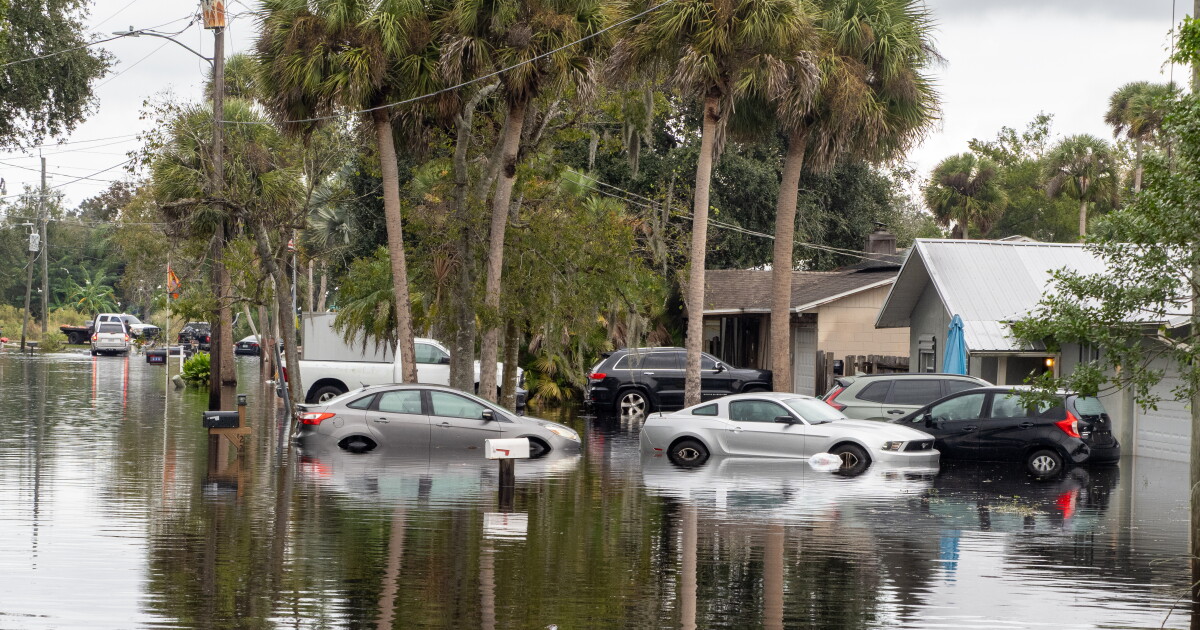
Heavy weekend rainfall triggered severe flooding across Central Florida, stranding hundreds of residents in rural Seminole County and shutting down State Road 46 for what officials warn could be at least 10 days.
In this piece
Severe weekend floods stranded hundreds of residents across Central Florida after heavy rains caused the St. Johns River basin to overflow. Communities in…
Torrential weekend downpours triggered severe flooding across parts of Central Florida, leaving hundreds of residents stranded and transforming low-lying neighborhoods into isolated islands. Emergency crews and local officials responded across affected communities after excessive rainfall caused regional waterways to swell rapidly over saturated ground. First responders deployed specialized vehicles and watercraft to reach cut-off homes and assess community safety.
The inundation struck particularly hard in eastern Seminole County, where rural enclaves such as Geneva saw floodwaters creep onto residential properties, submerging driveways and surrounding homes. Agricultural operations, including local plant nurseries and tree farms, suffered extensive standing water as drainage canals and retention areas were quickly overwhelmed. In some pockets, water levels rose high enough to trap families indoors and submerge parked vehicles.
Transportation networks across the region experienced severe disruptions as rising waters covered critical thoroughfares and residential access roads. The Florida Department of Transportation was forced to issue an emergency closure of State Road 46, a vital east-west corridor connecting Sanford to Mims through Geneva, after deep water made the highway impassable. Warning signs and barricades were posted across several miles of flooded asphalt to prevent motorists from driving into dangerous currents.
Transportation officials warned that State Road 46 could remain shut down for at least 10 days while floodwaters recede and maintenance crews assess pavement integrity. The prolonged closure severed a primary travel route for daily commuters, emergency services, and local commerce. Motorists have been directed to navigate long detours around flooded sections bordering the St. Johns River basin until waters clear.
The persistent high water stems from the slow-moving nature of the St. Johns River, which flows north and drops only slightly in elevation across vast stretches of Central Florida. Because the river basin drains extremely slowly, floodwaters often linger for days or even weeks after major rainstorms have ended. Downstream communities frequently face prolonged water accumulation even after local rainfall has ceased and skies have cleared.
Local emergency management teams deployed high-water rescue equipment and coordinated with community volunteers to assist marooned residents who were unable to navigate submerged roads. While many homeowners chose to shelter in place with stored provisions, officials urged people to monitor water levels closely and prepare to evacuate if conditions deteriorate. Emergency personnel maintained regular communication with vulnerable households to provide vital supplies.
Frustrated residents in hard-hit communities noted that severe flooding challenges have become increasingly frequent and disruptive in recent years. Several long-term locals pointed to rapid regional growth and sprawling land development as contributing factors, arguing that newly paved surfaces have diminished natural wetlands and altered historical drainage pathways. They expressed deep concern that local infrastructure is struggling to cope with increasingly heavy rain events.
The weekend crisis underscores the growing vulnerability of Central Florida's low-lying areas to extreme precipitation and extended riverine flooding. With ground tables already heavily saturated across the region, even modest additional rainfall could trigger immediate surface runoff and compound existing flooding hazards. Environmental specialists emphasize that restoring natural retention areas will be vital to mitigating future flood risks.
County and state authorities said they will continue round-the-clock monitoring of river gauges and critical drainage infrastructure throughout the week. Emergency teams remain on standby to assist stranded residents, while transportation engineers plan detailed structural inspections before any submerged roadways can safely reopen to traffic. Officials continue to advise motorists never to drive through standing water and to follow official detour routes.
Primary source: Google News Florida. Newzly rewrites and structures source reporting for clarity; verify critical details at the original.