Florence Pugh Hits Out at Weight Loss and Cosmetic Surgery Speculation
Florence Pugh has spoken out against relentless public scrutiny over her weight and cosmetic surgery rumors, calling it deeply stressful when people talk about you in ways you cannot comprehend.
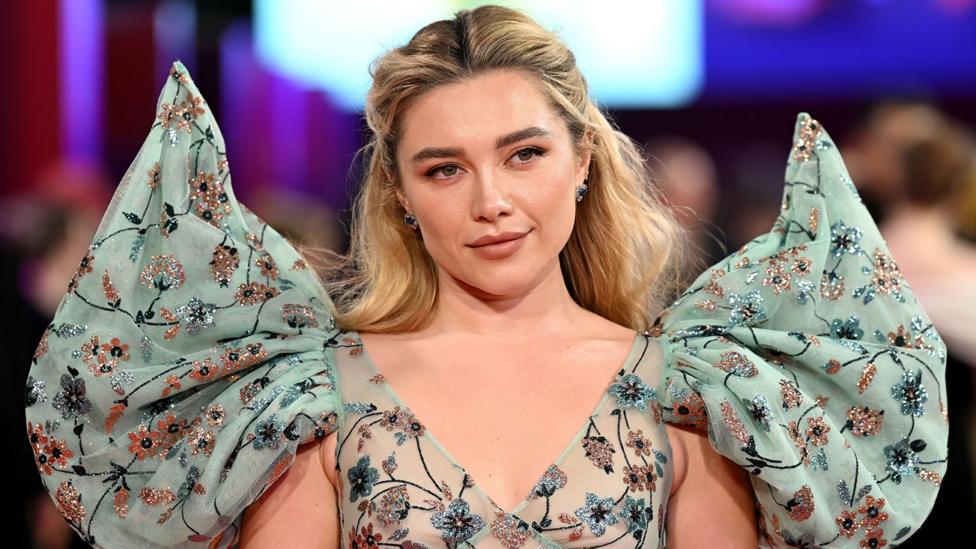
In this piece
Actress Florence Pugh has addressed persistent online speculation regarding her appearance, criticizing invasive rumors about weight loss and cosmetic…
Actress Florence Pugh has publicly pushed back against pervasive speculation surrounding her physical appearance, directly addressing ongoing commentary about weight loss and cosmetic surgery. In recent remarks, the performer expressed frustration over the intense scrutiny directed at her personal life and changing look. The discussion highlights the mounting pressures faced by high-profile figures whose everyday physical transformations become focal points for public debate.
Speaking on the emotional toll of widespread media attention, Pugh emphasized how stressful it can be to navigate an environment where observers analyze private aspects of an artist's identity. She described the experience of having people "talking about you... in ways you can't comprehend" as particularly overwhelming. Her comments reflect a candid acknowledgment of the psychological weight that comes with being subjected to constant public dissection.
The phenomenon of public speculation regarding celebrity bodies has grown increasingly pervasive across contemporary entertainment media. On digital forums and social platforms, visual comparisons of actors are frequently shared, dissected, and magnified within hours. Commentators and casual viewers often trade unfounded theories regarding cosmetic enhancements or weight fluctuations, rarely taking into account natural variations, demanding production schedules, or personal well-being.
Conversations around physical appearance in the film industry often carry a distinct gendered dimension that places heightened scrutiny on female performers. Actors routinely find their artistic accomplishments overshadowed by exhaustive debates over their aesthetics, wardrobing, and health choices. This dynamic reinforces rigid beauty expectations, compelling artists to either confront invasive narratives or suffer them in silence.
By openly calling out the commentary, Pugh contributes to an expanding cohort of cultural figures who are actively challenging intrusive public discourse. Many performers have expressed fatigue with an entertainment ecosystem that treats personal physical autonomy as open to public judgment. Her willingness to identify the stress involved underscores how deeply unsettling such pervasive surveillance can be, even for seasoned professionals.
Beyond the immediate impact on well-known personalities, industry analysts point out that widespread commentary on weight and cosmetic procedures influences societal perceptions at large. When audiences observe public figures being minutely judged for minor physical shifts, it can normalize hyper-critical attitudes toward appearance in everyday life. The normalization of aesthetic critique on digital networks presents ongoing challenges for discussions surrounding body positivity and self-esteem.
The rise of speculative discourse has also been accelerated by shifting media consumption habits, where short-form commentary and viral video essays thrive on sensational claims. Because provocative claims often generate substantial engagement, rumors about aesthetic interventions can persist long after they have been debunked or dismissed. This creates a persistent cycle where celebrities find themselves repeatedly answering questions about rumors they never originated.
Mental health experts and cultural commentators have frequently called for clearer boundaries between public interest in an artist's craft and entitlement to their private life. Acknowledging that public attention cannot be entirely avoided, advocates emphasize that respect for personal boundaries remains vital for maintaining emotional well-being. Unchecked digital gossip culture, they argue, risks diminishing the creative environment by prioritizing superficial controversy over substantive work.
As performers increasingly use their platforms to vocalize their boundaries, the broader dialogue around celebrity accountability and public behavior continues to evolve. While rumors and online dissection remain persistent fixtures of popular culture, direct pushback from artists provides a crucial counterweight to speculative narratives. How audiences, commentators, and digital media platforms navigate these concerns will remain a defining theme in the contemporary entertainment landscape.
Primary source: BBC Entertainment & Arts. Newzly rewrites and structures source reporting for clarity; verify critical details at the original.