Florida Police Officer Accused of Impersonating Deceased Resident and Renovating His Home
A South Florida police officer faces multiple felony charges after authorities uncovered an alleged yearslong scheme in which he impersonated a deceased resident, commandeered the man's home, and spent hundreds of thousands of dollars on renovations.
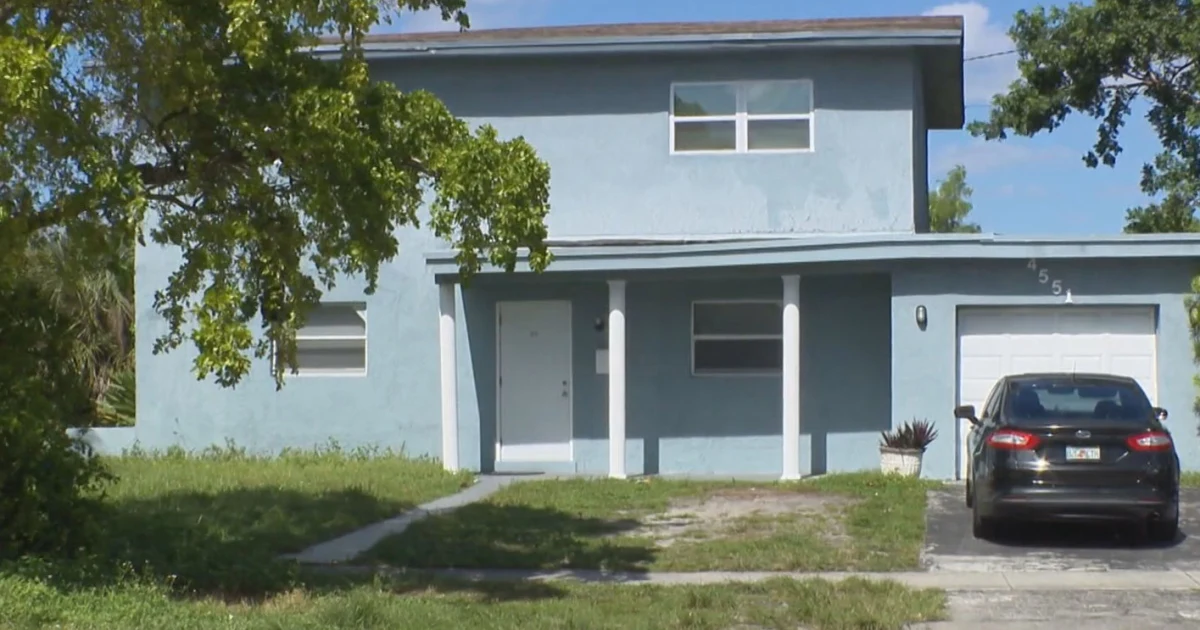
A South Florida police officer has been arrested after investigators uncovered an alleged scheme to take control of a deceased resident's home, assume his identity, and oversee an extensive remodeling project spanning several years. Brian Louis Sguros, a 35-year-old officer with the Lauderhill Police Department, faces multiple felony charges stemming from the unauthorized takeover of the property in Broward County.
The case originated in July 2022 when Sguros and fellow officers responded to a routine welfare check at a residence in Lauderhill. Inside the home, officers discovered the body of 71-year-old Dennis West, who had passed away from natural causes. According to arrest affidavits released by the Broward County Sheriff's Office, Sguros quickly initiated steps to assert control over the vacant property shortly after the death was confirmed.
Investigators allege that within weeks of the discovery, Sguros contacted the local medical examiner's office and falsely identified himself as a personal friend of the deceased. During these communications, he allegedly claimed that West had no surviving family members or heirs who could take charge of the estate. This misrepresentation effectively positioned Sguros to intervene in the disposition of West's affairs without immediate scrutiny from probate officials.
According to charging documents, Sguros then utilized confidential law enforcement computer databases without authorization to gather personal identification details belonging to West. Investigators determined that between August 2022 and February 2025, the officer systematically used the deceased man's information to manage the property. He allegedly paid local utility bills, covered delinquent property taxes, and submitted official paperwork while posing as West.
To facilitate significant structural upgrades to the aging house, Sguros allegedly forged West's signature on several municipal building permits submitted to local authorities. Over the course of more than two years, the officer poured substantial personal funds into the property, claiming in related civil records to have spent more than $214,000 on cleanup, structural repairs, and modern amenities. Neighbors reportedly observed frequent construction activity at the residence, unaware of the legal dispute brewing over its ownership.
In subsequent civil court filings regarding the property, Sguros maintained that his actions were taken in good faith to protect the surrounding community from blight and criminal activity. He argued that the home was severely damaged, neglected, and vulnerable to squatters following West's passing. Sguros asserted that by intervening and financing necessary restorations, he had preserved neighborhood property values and stabilized a hazardous location.
The elaborate arrangement began to fall apart when legitimate heirs of the estate were identified and began managing West's assets. The rightful heirs ultimately transferred ownership of the residence to a private real estate investment firm, which encountered Sguros when attempting to inspect and take possession of the parcel. The ensuing confrontation prompted representatives to alert law enforcement, triggering a formal internal affairs inquiry and criminal investigation by county detectives.
The allegations have renewed regional scrutiny over internal oversight mechanisms governing how law enforcement personnel handle unattended deaths and vacant properties. Civil liberties advocates and legal analysts point out that sworn officers possess unique access to sensitive personal data through official databases, creating potential vulnerabilities if supervisory audits fail to flag improper queries. The case also underscores the complex legal challenges surrounding municipal probate processes and abandoned estates in Florida.
Following his arrest, Sguros was booked into the Broward County jail on multiple counts, including official misconduct, criminal use of personal identification of a deceased individual, unauthorized access to computer systems, and unlawful use of a two-way communications device. The Lauderhill Police Department announced that Sguros was immediately placed on unpaid administrative leave pending the outcome of the judicial proceedings.
Sguros was subsequently released after posting bond, and formal court appearances are expected to be scheduled in Broward County circuit court in the coming weeks. Defense counsel has not yet issued a public statement detailing the officer's trial strategy, while prosecutors prepare their case regarding the alleged abuse of official authority. The future ownership of the Lauderhill property remains subject to pending probate and property dispute resolutions.
Primary source: Hacker News. Newzly rewrites and structures source reporting for clarity; verify critical details at the original.