world·Arunachal Pradesh·Lohit District
Former Civil Servants Urge Centre to Scrap 1,750-MW Demwe Hydro Project in Arunachal Pradesh
A group of retired civil servants has called on the Centre to scrap the 1,750-MW Demwe Lower hydropower project in Arunachal Pradesh, citing acute threats to biodiversity, local tribes, and downstream river systems.
In this piece
Former Indian civil servants with the Constitutional Conduct Group have urged the central government to permanently cancel the proposed 1,750-MW Demwe Lower…
A collective of former Indian civil servants has called on the central government to permanently scrap the planned 1,750-megawatt Demwe Lower Hydroelectric Project in Arunachal Pradesh. Writing under the banner of the Constitutional Conduct Group, the retired bureaucrats submitted an open appeal warning that the massive dam poses irreversible risks to fragile eastern Himalayan ecosystems, downstream river basins, and indigenous communities.
The formal communication was addressed to the Union Ministry of Environment, Forest and Climate Change, the National Board for Wildlife, and the Arunachal Pradesh Chief Minister. Among the signatories are prominent former administrators, including retired civil servants and former Delhi Lieutenant Governor Najeeb Jung, who voiced deep unease over ongoing administrative attempts to revive the stalled mega-dam.
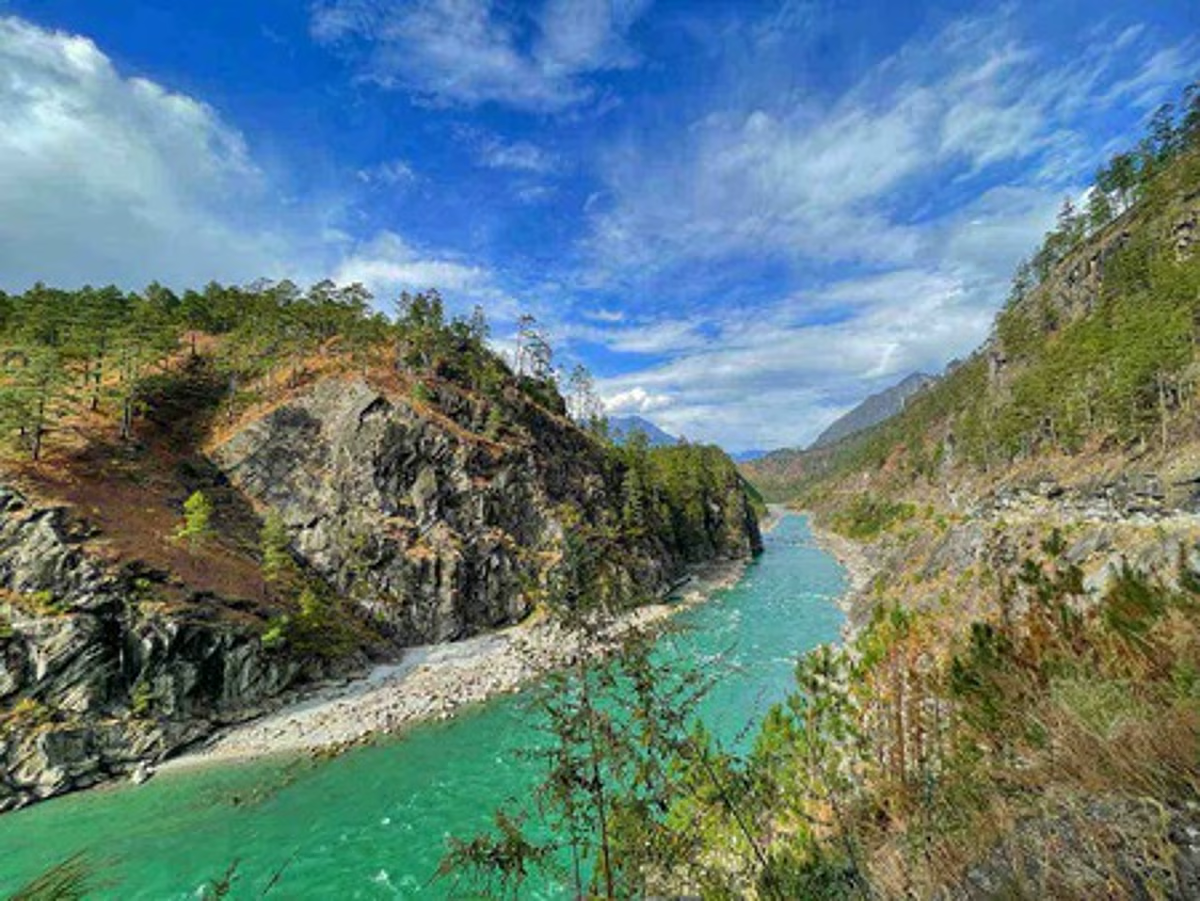
Planned along the Lohit River in eastern Arunachal Pradesh, the Demwe Lower project has faced regulatory hurdles, legal disputes, and fierce grassroots resistance for over a decade. The proposed concrete gravity structure is designed as a run-of-the-river facility with substantial storage capacity to deliver electrical power to the national grid during periods of peak demand.
In their representation, the former civil servants highlighted the severe ecological toll anticipated during construction and reservoir filling. The development would necessitate the diversion of more than 1,416 hectares of forest land and cause the submergence of approximately 1,590 hectares. An estimated 43,000 mature trees in dense tropical evergreen rainforests would have to be felled to make way for the project infrastructure.
A central grievance raised in the letter focuses on the project's extreme proximity to protected wilderness zones. The reservoir and construction perimeter sit within fifty metres of the Kamlang Tiger Reserve and directly intrude upon its designated eco-sensitive zone. Environmental experts and the signatories warned that such disturbance would sever critical wildlife corridors connecting lowlands to high-altitude forests.
The region provides vital sanctuary to several globally endangered and vulnerable species whose survival could be compromised by the dam. Key fauna identified in the conservation warnings include the critically endangered White-Bellied Heron, the Bengal Florican, the Mishmi Takin, the Red Panda, and various big cats. Downstream aquatic species, particularly the endangered Gangetic River Dolphin, also face heightened threats from altered riverine conditions.
The former bureaucrats also took aim at the project's operational model, arguing that its peaking power mechanism would trigger artificial hydrological shocks. By holding back the flow of the Lohit River for prolonged intervals before abruptly discharging vast volumes of water, the dam would subject downstream plains in Assam to violent cycles of artificial flooding and sudden desiccation. This fluctuation threatens riverbank stability, agricultural land, and downstream protected areas such as Dibru-Saikhowa National Park.
Cultural and indigenous rights formed another cornerstone of the group's intervention. Local tribal communities, student organizations, and civic groups have long resisted the dam, citing the loss of ancestral territories and threats to their subsistence livelihoods. The submergence zone and surrounding development also endanger revered cultural landmarks in the valley, including the sacred pilgrimage destination of Parashuram Kund.
The signatories further emphasized that the eastern Himalayas represent one of the most seismically vulnerable and geologically unstable regions on the planet. Constructing massive storage barriers in active tectonic zones heightens the danger of catastrophic structural failures induced by earthquakes, extreme cloudbursts, or glacial lake outburst events. Such disasters would carry devastating consequences for vulnerable communities living along downstream river valleys.
With mounting pressure from retired senior administrators and grassroots environmental coalitions, the Union environment ministry and statutory wildlife bodies face renewed calls to prioritize long-term ecological security over mega-hydropower ambitions. For now, civil society groups and local residents in Arunachal Pradesh continue to urge authorities to formally decommission the project and explore ecologically sustainable, decentralized energy alternatives.
Primary source: Google News Arunachal Pradesh. Newzly rewrites and structures source reporting for clarity; verify critical details at the original.