French Student Demonstrations Highlight Deepening Societal Malaise
Ongoing student demonstrations in France point to a deeper systemic crisis across society, signaling pervasive economic vulnerability, institutional friction, and generational disillusionment among the nation's youth.
In this piece
Persistent student protests across France have emerged as a visible symptom of a broader societal crisis. Analysts highlight that the demonstrations reflect…
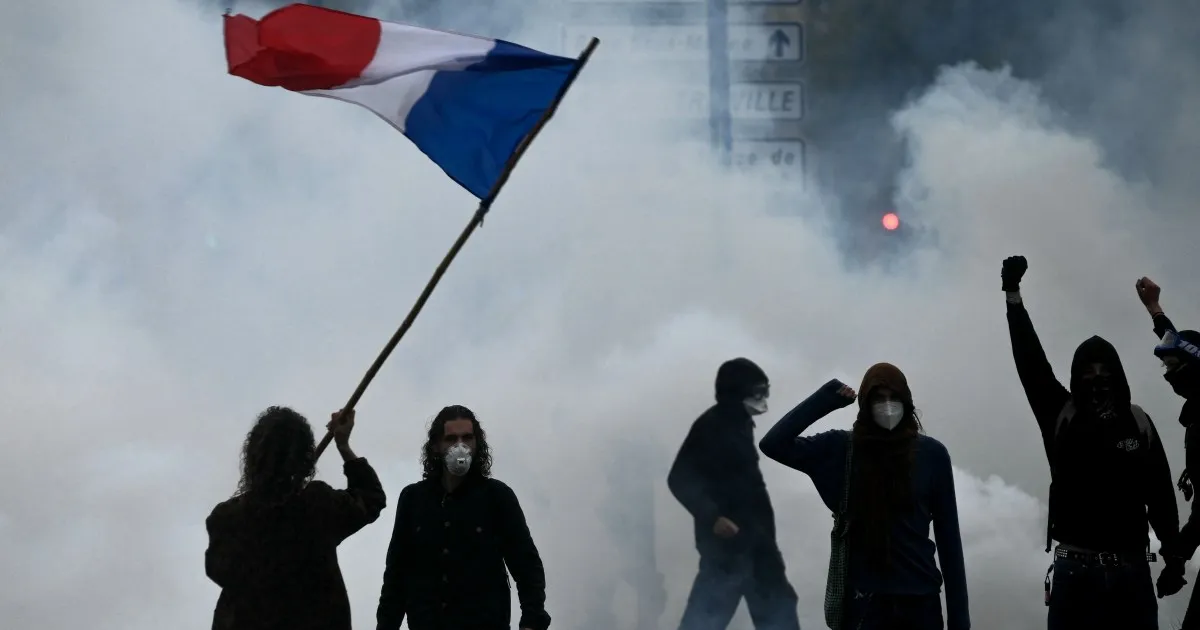
Ongoing student demonstrations across France have increasingly exposed deeper fractures within the nation's contemporary social landscape. According to an analysis published by Al Jazeera, the recent waves of student unrest signal more than isolated educational grievances, pointing instead toward an escalating systemic crisis taking root across French society.
The assessment characterizes the persistent campus actions and youth-led mobilizations as a visible symptom of a broader French malaise. While university demonstrations have historically reflected specific administrative or policy disputes, observers suggest the present turbulence stems from deeper disillusionment with existing economic, social, and institutional frameworks.
At the center of this unrest lies a growing sense of vulnerability among younger generations navigating an increasingly strained economic environment. Rising living costs, precarious entry into the workforce, and shifting welfare dynamics have placed sustained pressure on students and early-career workers, intensifying public discussions around generational inequality.
France possesses a long and well-documented tradition of student activism serving as a bellwether for wider national discontent. From foundational postwar movements to modern civic strikes, student mobilizations have frequently functioned as the opening chapter of expansive debates over civil rights, labor protections, and state governance.
The current demonstrations reflect broader friction between public institutions and a populace contending with shifting state priorities. Commentators note that civic frustration often mirrors wider skepticism regarding government responsiveness, institutional representation, and the durability of traditional social contracts across modern Europe.
The reverberations of campus unrest often extend beyond university gates, influencing broader community dynamics and labor organizing. When student groups challenge social inequities, their demands frequently align with concerns voiced by working households, municipal communities, and public sector workers grappling with parallel economic strains.
For policymakers and civic leaders, interpreting the root causes of the protests has become an essential political challenge. Distinguishing between immediate student demands and the more structural grievances underlying the unrest remains vital for authorities seeking to address civic dissatisfaction without exacerbating social tensions.
Looking ahead, the trajectory of the ongoing demonstrations is expected to shape wider political debate across France. Whether the current unrest catalyzes broader institutional reforms or deepens existing divisions will depend on how effectively national leaders engage with the systemic challenges driving the discontent.
Primary source: Al Jazeera. Newzly rewrites and structures source reporting for clarity; verify critical details at the original.