Goa to Equip Primary Schools With Tablets and Establish AI Labs in Professional Colleges
The Goa government has announced plans to provide at least two tablet computers to every government primary school while setting up dedicated artificial intelligence laboratories in professional colleges to modernize statewide education.
In this piece
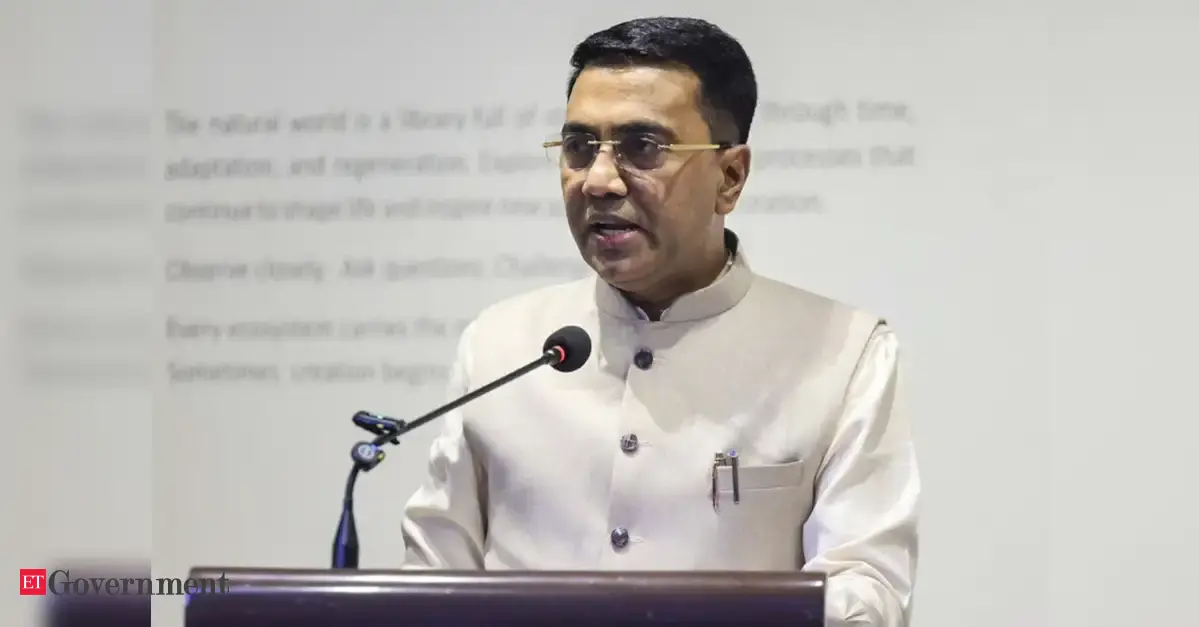
Goa Chief Minister Pramod Sawant announced a state-level push to integrate technology across education tiers, supplying tablets to primary schools and building…
The Goa government is rolling out a comprehensive digital education initiative designed to upgrade technology infrastructure across all levels of the state's schooling system. Under the plan announced by Chief Minister Pramod Sawant, the administration will supply at least two tablet computers to every government primary school and establish dedicated artificial intelligence laboratories in professional colleges throughout the coastal state.
The rollout of tablet devices to primary institutions is intended to introduce foundational digital skills and interactive learning to students from an early age. State officials indicated that the provision of shared devices will allow young learners to familiarize themselves with basic computing tools during regular classroom instruction. In tandem with the hardware distribution, primary school educators are scheduled to receive targeted computer training to integrate digital pedagogy into everyday lessons.
At the higher education tier, the government plans to set up specialized artificial intelligence laboratories across accredited professional colleges. These facilities are intended to give engineering and professional degree students hands-on access to emerging tools, machine learning software, and advanced computational resources. By introducing modern lab environments directly into colleges, the administration hopes to bridge longstanding divides between theoretical curricula and contemporary industry practices.
The dual-pronged educational upgrade aligns with the broader Goa Artificial Intelligence Policy framework and statewide skill development roadmaps. State policymakers have placed growing emphasis on modernizing classroom environments with smart learning boards, interactive media, and high-speed digital connectivity over recent academic terms. State leaders argue that early exposure to digital systems is increasingly essential to keeping students competitive with national benchmarks.
The technology push also arrives alongside reforms aimed at improving youth employability and career readiness across the state. In recent remarks outlining the educational reforms, Chief Minister Sawant highlighted accompanying measures, including the formal recognition of one-year government apprenticeship certificates as valid work experience for select state recruitment pathways. Together, these moves reflect a concerted governmental push to link formal schooling directly to tangible employment opportunities.
For primary schools, the deployment of tablets addresses structural digital divides that often separate urban and rural classrooms across the state. Grassroots education advocates have long noted that early familiarity with digital touchpoints improves student engagement and eases the later transition into secondary computer science curricula. By anchoring device access in the public school system, the initiative seeks to ensure that children from diverse socio-economic backgrounds gain regular digital access.
At the tertiary level, the establishment of dedicated AI laboratories reflects the surging demand for artificial intelligence competencies across India's technology services sector. Professional colleges have frequently faced criticism for lagging behind rapid technological advances, leaving graduates to seek expensive private certifications to secure tech employment. Providing institutional access to artificial intelligence tools is intended to level the playing field and foster homegrown research and innovation.
While the announcements have been met with enthusiasm among academic stakeholders, effective implementation will hinge on consistent power, network infrastructure, and sustained teacher development. Officials have noted that delivering hardware alone cannot transform learning outcomes without ongoing curricular support and localized digital content. State education authorities are expected to monitor device utilization and establish clear maintenance protocols across government campuses.
Moving forward, government departments are tasked with finalizing procurement timelines and detailing operational parameters for the laboratory setups and device distributions. School administrators and college faculties will watch closely for forthcoming operational guidelines regarding software integration, device security, and scheduled teacher workshops. If executed according to plan, the initiatives could establish a modern digital learning baseline spanning from the first years of primary school to professional degree completion.
Primary source: Google News Goa. Newzly rewrites and structures source reporting for clarity; verify critical details at the original.