GOP State Officials Move to Revive Mail-in Voting Limits for 2028
A coalition of Republican state officials is appealing a court order that blocked the Postal Service from implementing a revised ballot rule, aiming to restore mail voting restrictions ahead of the 2028 election.
In this piece
Republican state officials are seeking to revive restrictions on mail-in voting by appealing a federal court order that blocked the U.S. Postal Service from…
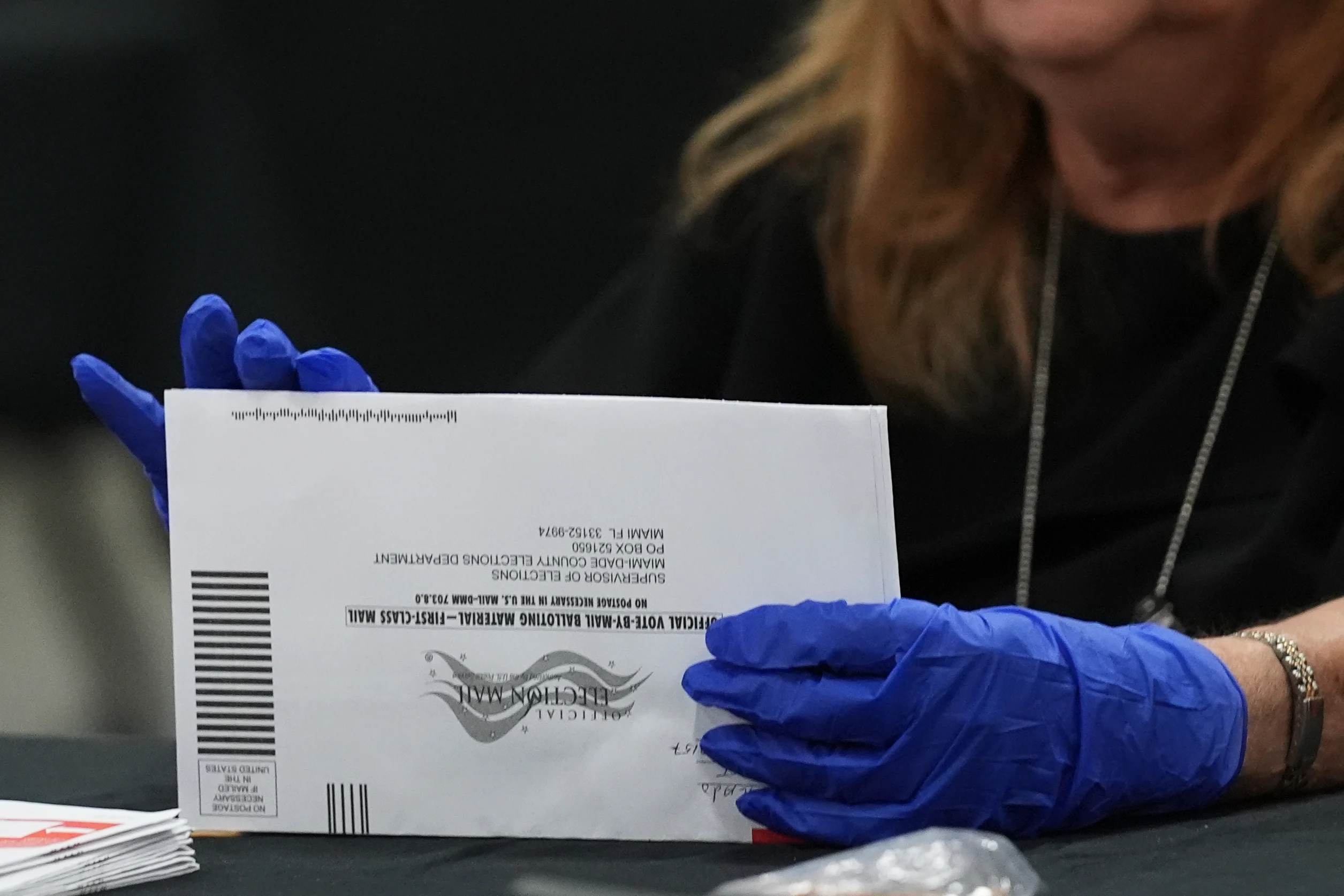
Republican state officials are actively pursuing an appeal of a judicial order that halted a revised mail-in ballot regulation, seeking to reinstate contested voting limits ahead of the 2028 election cycle. The effort targets an injunction that prevented the United States Postal Service from enforcing updated guidance governing how mail-in voting is handled.
The legal maneuvering highlights a renewed push by state-level officials to reshape mail voting procedures that originated during the Trump administration. By taking their challenge to an appellate court, the officials are attempting to lift restrictions imposed by judicial intervention and restore administrative rules that critics and lower courts had previously curbed.
At the center of the dispute is a revised Postal Service rule that altered how absentee and mail-in ballots were processed, handled, and delivered across jurisdictions. Legal challenges initially resulted in a court order blocking the measure, with judges ruling against the policy changes before they could be fully implemented nationwide.
For state election administrators and political organizers, mail-in voting rules remain among the most consequential operational elements of modern American campaigns. Policies affecting transit times, processing standards, and ballot delivery timelines have repeatedly triggered high-stakes courtroom conflicts between political parties and voting rights organizations.
Proponents of tighter regulations have argued that standardized and strict oversight of mail-in ballots is essential for ensuring administrative order and protecting electoral integrity. By appealing the blocking order, the state officials seek to establish firmer statutory and operational limits on how election mail is treated by federal postal authorities.
Opponents of such measures, including civil liberties groups and voting access advocates who challenged the policy, have maintained that restrictive delivery directives can delay valid ballots and disenfranchise eligible voters. The injunction was intended to prevent abrupt operational alterations that could interfere with timely ballot reception and counting.
The timing of the appeal emphasizes how long-term legal strategies around voting policy are increasingly organized years before national contests take place. With the 2028 presidential race on the horizon, litigators on both sides are positioning to resolve federal postal guidelines well in advance of upcoming candidate filing deadlines and primary schedules.
The case also underscores the ongoing jurisdictional friction between state regulatory preferences and federal agencies that manage nationwide infrastructure. Because the Postal Service operates as an independent federal establishment, courts must continually balance state statutory authority over voting against federal mail transportation mandates.
Looking ahead, the appellate court will consider whether the lower court acted within its discretion when it enjoined the Postal Service from carrying out the revised ballot rule. The resulting ruling is expected to set a critical legal benchmark for how mail-in ballots are processed and delivered in subsequent federal elections.
Primary source: NPR News. Newzly rewrites and structures source reporting for clarity; verify critical details at the original.