Government warning: ‘phone found’ message after a stolen iPhone may be a cyber scam
Divya Bhaskar reports a government alert that a message claiming a stolen iPhone has been found can be a new cyber scam. Officials urge people not to trust such texts at face value.
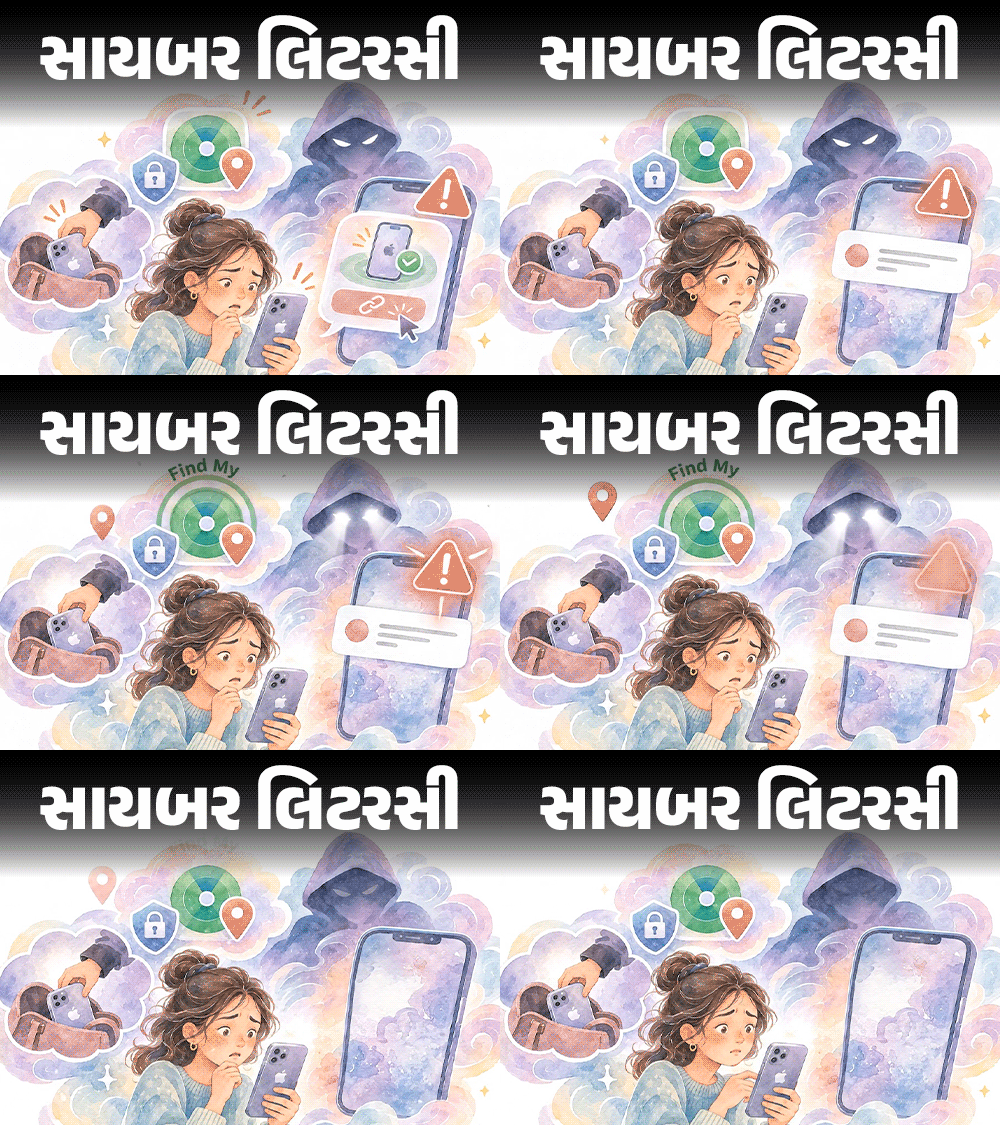
In this piece
A Divya Bhaskar Lifestyle report says authorities have warned that a message saying a stolen iPhone has been “found” may be a cyber scam. The outlet describes…
People whose iPhones have been stolen are being warned not to treat a message saying the phone has been found as proof that the device is safe to recover. Divya Bhaskar Lifestyle reported the alert under a headline describing a government warning about a newer cyber-scam method.
The published item, as provided for this report, consists of that headline and the outlet credit. It does not include a full text of any official notice, a named department, a quoted official, or a step-by-step account of how the message is said to work. Those details are therefore not stated here.
What the headline does establish is a caution aimed at iPhone owners who have already lost a device. The reported warning is that a message along the lines of “phone found” should be treated with care, because it may be an attempt to cheat the recipient rather than a genuine recovery notice.
The report frames the tactic as a cyber scam and presents it as a newer approach. It does not say how widely the messages have circulated, in which cities they have appeared, or how many people have reported losses. No figures of that kind appear in the source material.
The warning matters because a stolen phone already leaves the owner anxious and more likely to respond quickly to any sign that the device might be returned. A message that appears to offer that outcome can exploit that urgency. The Divya Bhaskar headline presents the government alert as a prompt to slow down before acting on such a text.
The item is written in Gujarati and attributed to Divya Bhaskar’s lifestyle news section. It does not, in the material available here, identify a particular Indian state, district, or police unit as the source of the warning, only “the government.” Which authority issued the alert, and whether it is national or local, is not specified in the text on hand.
Readers should also note what this report cannot confirm. It cannot confirm the exact wording scammers are said to use beyond the “phone found” formulation in the headline, any link or payment demand that might follow, or any official checklist of what victims should do next. Inventing those steps would go beyond the source.
In general terms, the reported advice is caution: a message claiming a stolen iPhone has been recovered should not be trusted simply because it matches the owner’s situation. The outlet’s framing is that people can be cheated if they treat the message as legitimate without further verification through channels they already trust.
The story sits within a broader pattern of phone-related fraud warnings that Indian news outlets periodically carry, but this article does not attach this particular alert to any earlier campaign, statistic, or named scheme. No such link is present in the source.
What happens next is not spelled out in the Divya Bhaskar item. The headline’s practical point is immediate: if an iPhone has been stolen and a “phone found” message arrives, the recipient should treat it as a possible scam and seek confirmation rather than assume the device is being returned. Further detail would depend on the full government notice, which is not reproduced in the material used here.
Primary source: Divya Bhaskar Lifestyle. Newzly rewrites and structures source reporting for clarity; verify critical details at the original.