Gram sabhas bar Christian clergy from several tribal villages in Chhattisgarh
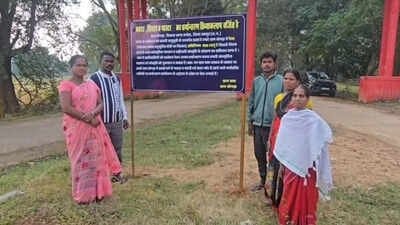
Village assemblies in Chhattisgarh have barred Christian clergy from entering several tribal villages, The South First reported. The account does not name the villages or say how the restrictions will be enforced.
In this piece
Gram sabhas in Chhattisgarh have barred Christian clergy from entering several tribal villages, according to a report by The South First. The available account…
Gram sabhas in Chhattisgarh have barred Christian clergy from entering several tribal villages, The South First reported. The item, carried through a Google News listing of the outlet’s report, states that village assemblies imposed the restriction. It does not say when the decisions were taken or whether they apply to residents, visitors, or both.
Beyond that headline claim, the material available here is thin. It does not name the villages, the districts, or the number of assemblies involved. It does not describe the wording of any resolution, the margin of any vote, or the penalty, if any, for ignoring the bar. No official, pastor, or village representative is quoted.
A gram sabha is the assembly of voters in a village under India’s panchayat system. In many tribal areas it is the forum through which residents discuss land, forest use, customary practice, and social disputes. A decision framed as a gram sabha resolution is therefore a local political act, even when higher authorities have not yet responded in public.
Chhattisgarh, in central India, has a large Scheduled Tribe population, and a substantial share of the state falls under the Fifth Schedule of the Constitution, which provides a distinct framework for administration in certain tribal areas. The report’s reference to “several tribal villages” places the clergy bar in that setting, without identifying which communities passed it.
The Panchayats (Extension to Scheduled Areas) Act, 1996, commonly called PESA, strengthens gram sabhas in Fifth Schedule areas. It recognizes a role for village assemblies in safeguarding traditions and community resources and in managing local social institutions. Supporters of such powers argue that outside religious campaigns can disrupt customary life. Critics argue that a blanket bar on clergy can slide into collective punishment of a faith.
India’s Constitution guarantees freedom of conscience and the right to profess, practice, and propagate religion, subject to public order, morality, and health. It also protects the interests of Scheduled Tribes and allows states to regulate some aspects of religious conversion. How a village resolution interacts with those guarantees is a legal question. The report at hand does not say whether any administration, court, or police unit has been asked to enforce or review the bar.
Entry bans of this kind matter because they sit at a recurring fault line in parts of central India: the authority of tribal self-rule, and the ability of religious minorities and visiting clergy to move and worship. Without the text of the resolutions, it is not possible to say whether the gram sabhas limited only organized proselytizing, or whether they sought to exclude Christian ministers from the villages altogether.
Public debate in the region has long included allegations of coerced conversion on one side and allegations of harassment of tribal Christians on the other. Those are contested claims in a wider political argument. This report does not establish that any particular allegation prompted the latest decisions, and it should not be read as confirmation of either side’s account.
What remains unknown is as important as what is reported. It is not clear whether the restrictions are written resolutions or oral declarations, whether they have been communicated to district officials, or whether Christian institutions in Chhattisgarh have sought a remedy. It is also unclear whether the bar covers only ordained clergy or extends to lay worship, prayer meetings, or social work associated with churches.
Any formal challenge would likely turn on jurisdiction and rights: whether a gram sabha may regulate who enters village space, and whether such a rule unlawfully burdens religious practice. Those questions cannot be answered from the headline alone. Officials, courts, or the assemblies themselves would have to put the decisions on record.
The South First’s report establishes that gram sabhas have moved to keep Christian clergy out of several tribal villages in Chhattisgarh. Until the assemblies, the state government, or affected religious bodies publish the resolutions or respond on the record, the scope of the bar and its legal standing stay unresolved.
Primary source: Google News Chhattisgarh. Newzly rewrites and structures source reporting for clarity; verify critical details at the original.