GTA 6 Changes Car Flipping Mechanics, Adding Costly Towing Service Alternative
Grand Theft Auto VI introduces updated vehicle recovery mechanics that alter how players right overturned cars, offering a way to avoid costly in-game delivery fees from Scooter Bros.
In this piece
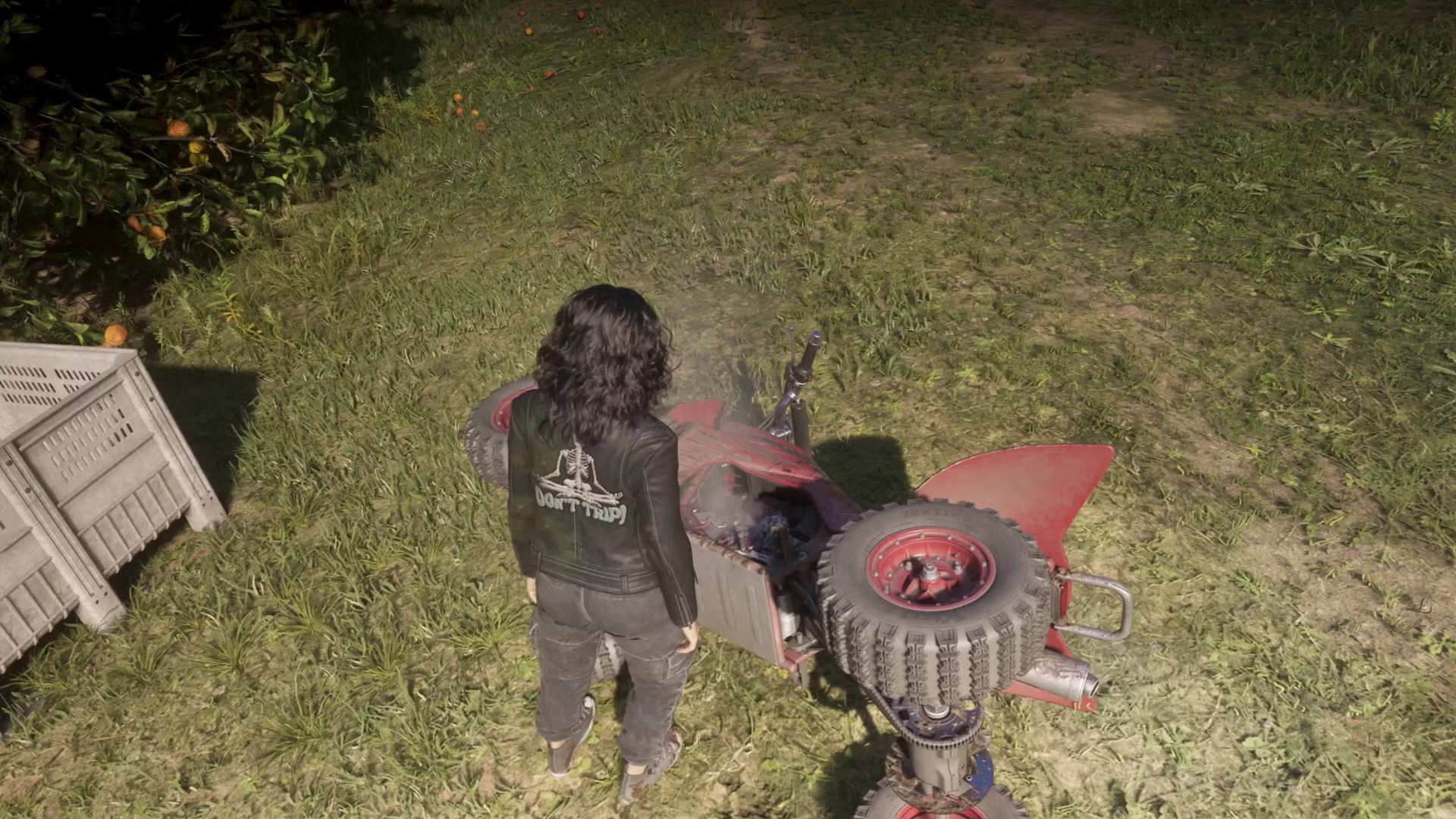
Vehicle handling in Grand Theft Auto VI works differently from previous installments, changing how players right an overturned car. Mastering the revised…
Grand Theft Auto VI introduces an updated driving and vehicle recovery system that changes how players handle overturned cars across the game's open-world map. According to gameplay reporting from Polygon, the traditional mechanics used in prior titles have been revised, requiring players to take new steps when a vehicle lands on its roof. The change affects everyday travel, high-speed pursuits, and how drivers manage unexpected crashes.
In earlier entries such as Grand Theft Auto V, players could often right an overturned vehicle simply by steering the analog stick back and forth. In the latest installment, motorists who find themselves upside down must navigate altered mechanics or rely on an in-game recovery service known as Scooter Bros. Utilizing this delivery and towing alternative, however, requires players to spend in-game cash to retrieve their ride.
The presence of delivery charges introduces a recurring economic penalty for careless driving and failed stunts. For players looking to conserve their funds early in the game, mastering manual flipping techniques offers a direct way to avoid repeated fees. Every avoided call to Scooter Bros keeps valuable cash in a player's inventory for weapons, vehicle upgrades, and mission essentials.
The revision reflects a broader shift by developer Rockstar Games toward more deliberate physics and grounded environmental interactions. While earlier open-world titles prioritized arcade-like convenience, recent design patterns across modern gaming place greater emphasis on physical consequence. Making vehicle recovery a tangible process alters the rhythm of police chases and getaway planning.
The adjustment significantly raises the stakes during active missions and escapes where timing is critical. In previous games, rolling a car during a high-stakes robbery or pursuit was often a minor setback that could be resolved in seconds. With the revised system, overturning a getaway vehicle leaves players vulnerable, forcing rapid tactical decisions on whether to abandon the car or attempt a manual recovery.
Open-world traversal across urban highways, swampy backwaters, and rural roads presents distinct navigational hazards where roll-overs remain common. Players navigating tight alleyways or off-road hills must exercise greater care behind the wheel to prevent costly immobilization. This operational friction encourages more calculated driving rather than reckless high-speed maneuvering through congested traffic.
As early gameplay details emerge, gaming outlets such as Polygon have focused on practical survival and navigation advice to assist players through the transition. Community guides emphasize learning the specific inputs required to right an immobilized vehicle quickly. Adapting to these inputs early can prevent frustrating mission restarts and unnecessary financial penalties.
As players continue to explore the full scope of Grand Theft Auto VI, mechanical nuances surrounding driving, repairs, and transit services will remain central to community discussion. Ongoing updates and player discoveries are expected to clarify optimal strategies for vehicle maintenance and traversal across the map. For now, mastering the revised vehicle recovery options remains an essential priority for anyone taking to the roads.
Primary source: Polygon. Newzly rewrites and structures source reporting for clarity; verify critical details at the original.