Hannah Fry Feels 'Unbelievably Lucky' Reaching Five Years Clear of Cervical Cancer
Broadcaster and mathematician Hannah Fry has reached her five-year cancer-free milestone following a radical hysterectomy, sharing on BBC Radio that she feels unbelievably lucky after navigating diagnosis and treatment during the pandemic.
In this piece
Presenter and mathematician Hannah Fry has announced she is five years clear of cervical cancer following treatment that included a radical hysterectomy.…
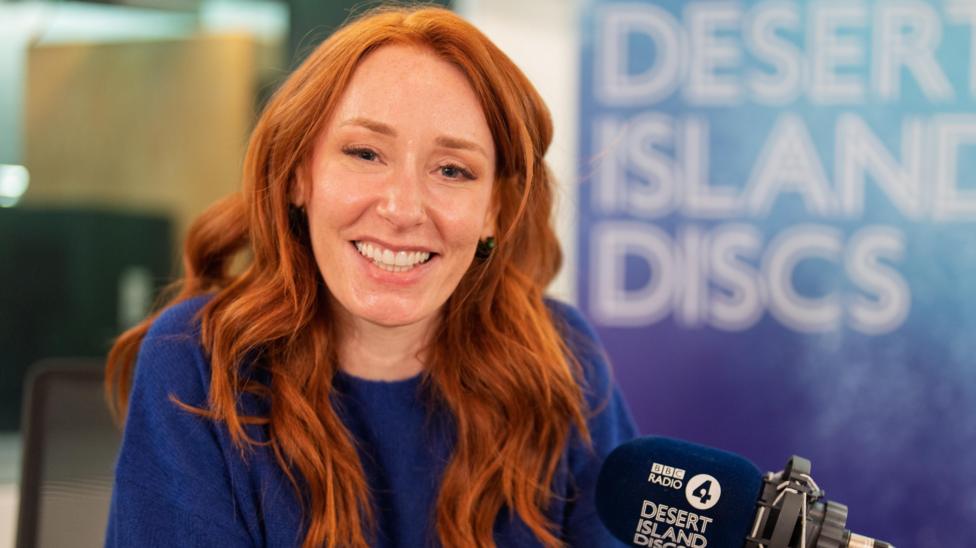
Broadcaster and mathematician Hannah Fry has shared that she is now officially five years clear of cervical cancer, describing herself as feeling unbelievably lucky following extensive treatment. Speaking on BBC Radio 4's Desert Island Discs, the television presenter reflected on reaching the major medical milestone after undergoing a radical hysterectomy in her thirties. Her remarks have highlighted both the personal relief of recovery and the critical role of preventive health checks.
Fry was originally diagnosed with cervical cancer in 2020 at the age of 36 after attending a routine screening test that she had initially delayed for several months during the pandemic. Following an abnormal result, subsequent medical investigations and a biopsy revealed that cancerous cells had begun spreading toward her lymphatic system. The diagnosis forced the academic to confront an immediate and aggressive course of surgical intervention.
The mathematician underwent a radical hysterectomy during a period when strict coronavirus restrictions were enforced across medical facilities. Because hospital safety protocols prevented visitors, she had to endure the complex surgery and immediate postoperative recovery in isolation. Fry later described the solitary hospital experience as harrowing, noting how difficult it was to navigate major trauma without loved ones nearby.
Known for her ability to explain complex statistical data to the general public, Fry used her diagnosis to explore the science and mathematics of oncology. She later presented the BBC Two documentary Making Sense of Cancer, which examined clinical decision-making, screening efficacy, and statistical probabilities surrounding survival rates. The program allowed her to interrogate how patients and medical professionals weigh aggressive therapies against long-term quality of life.
Her openness regarding her delayed screening has resonated widely across the United Kingdom, where health authorities frequently urge eligible women not to miss routine appointments. Cervical screening is designed to detect high-risk human papillomavirus infections and cell changes long before they turn into life-threatening malignancies. Fry has acknowledged that had she delayed her check-up any longer, her medical prognosis could have been significantly worse.
In clinical oncology, reaching the five-year mark without a recurrence is widely considered a pivotal threshold for cancer patients. For many solid tumors, including cervical cancer, the statistical likelihood of recurrence drops substantially once this timeframe is achieved without evidence of disease. For Fry, passing this benchmark represents both an emotional liberation and an important statistical reassurance.
Surviving cervical cancer through surgical intervention often carries permanent physical and psychological repercussions, particularly for younger patients. A radical hysterectomy involves the surgical removal of the uterus, cervix, and surrounding tissue, which induces immediate surgical menopause and permanently eliminates reproductive capacity. Fry has previously spoken candidly about reconciling these permanent changes while maintaining a demanding professional career.
Public health campaigners emphasize that public figures sharing their health vulnerabilities play an invaluable part in breaking stigmas and driving screening uptake. By speaking transparently about bodily changes, fear, and clinical data, high-profile presenters help demystify gynecological health for millions of viewers. Her candid discussion on national radio reinforces ongoing national campaigns aimed at eliminating cervical cancer through screening and vaccination.
Looking ahead, Fry continues her work across television, radio, and mathematics, combining academic research with science communication. While she remains under ongoing clinical surveillance standard for post-cancer care, reaching the five-year clear milestone marks a profound transition into long-term survivorship. She hopes that sharing her experience will encourage others to prioritize routine screenings and seek early medical advice whenever necessary.
Primary source: BBC Entertainment & Arts. Newzly rewrites and structures source reporting for clarity; verify critical details at the original.