Harsh winter in Europe could drive energy prices even higher, IEA boss warns
International Energy Agency head Fatih Birol warns that a harsh European winter could push energy prices even higher, and says a return to the pre-war energy system is impossible to imagine.
In this piece
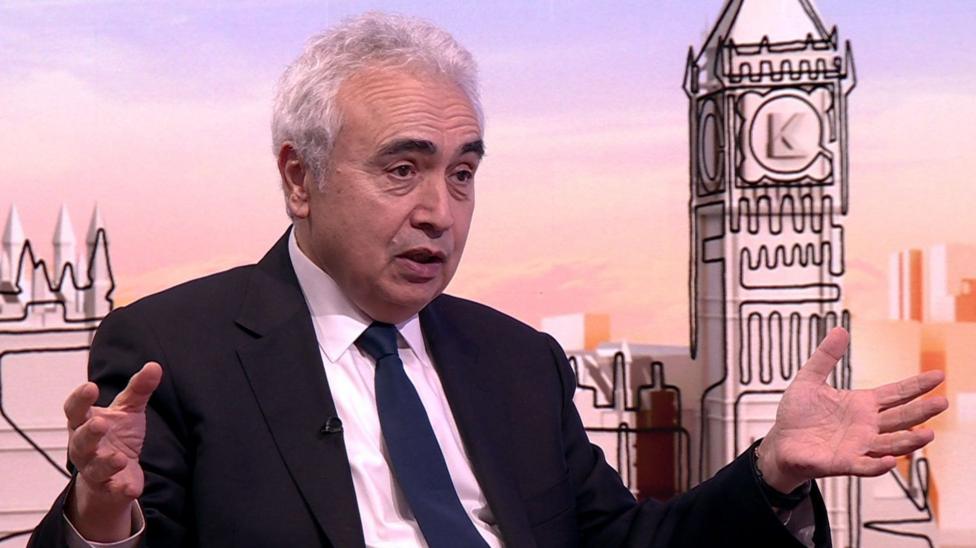
The head of the International Energy Agency, Dr Fatih Birol, has warned that a harsh winter in Europe could drive energy prices even higher. He said it is…
A harsh winter in Europe could push energy prices even higher, the head of the International Energy Agency has warned, underscoring how far the continent's energy system remains from its pre-war footing. Dr Fatih Birol said it is "impossible" to imagine that system returning to the way it operated before the war.
The warning, reported by BBC Business, links weather-driven demand with a market that no longer resembles the one households and industry knew before the war. Birol's comments present a cold season as a risk that could lift prices from levels the headline already describes as subject to going "even higher."
The International Energy Agency tracks global oil, gas, and power markets and advises member governments on energy security. Its chief's remarks arrive as European countries enter the heating season, when colder weather usually raises demand for gas and electricity used to heat homes and run factories.
A severe winter would test how much spare capacity that system still has. Stronger heating demand can tighten available supply, and tighter supply often appears first in wholesale prices that may later feed into consumer and business bills. Birol's warning is that those effects could drive prices "even higher" if the season turns harsh.
His second point is about the structure of the market rather than a single cold snap. He said it is impossible to imagine the energy system returning to how it was pre-war. That judgment, as reported, describes a lasting break with the earlier system. The short account does not spell out which fuels, contracts, or countries he had most in mind.
Before the war, much of Europe's energy planning rested on supply relationships and price patterns that buyers treated as durable. The conflict disrupted that assumption for gas in particular, forcing governments and energy users to weigh security of supply next to affordability and longer-term shifts toward cleaner power. Those are general features of the post-war debate, not new statistics from this report.
The warning matters because energy is a basic cost for heating, transport, and industry. When wholesale prices rise, pressure can spread into household bills, factory costs, and inflation. How fast and how far that happens depends on national rules, existing contracts, and the mix of fuels in each country. No fresh price figures or inflation estimates appear in the source summary.
The words "even higher" indicate that the agency boss sees prices as already elevated enough that another increase is the risk under discussion. They do not, by themselves, reveal a percentage, a fuel-by-fuel breakdown, or a date by which any spike would show up in bills. Any reading beyond that would go past what BBC Business's brief report states.
Governments do not face the same exposure. Some European states cushion households through regulated tariffs, subsidies, or other support; others pass more of a wholesale move into bills. Storage, cross-border power and gas links, liquefied natural gas cargoes, renewable output, and nuclear availability can soften or sharpen the impact of a cold spell. The report summary does not measure any of those buffers.
For policymakers, winter weather and the redesigned energy system are one problem. A mild season could spare consumers another jump in prices. On Birol's account, it would not restore pre-war conditions. A harsh season would make the cost of that break more immediate for homes and businesses that still rely on gas and electricity through the cold months.
Next steps depend on the weather, on commercial and government responses, and on whether the IEA publishes a fuller view of winter supply and prices. The BBC Business account of the warning does not include a schedule for further agency reports or any announcement of emergency measures.
Until more detail is public, the firm points are the ones named in the report. A harsh winter in Europe could drive energy prices even higher, the agency boss warned. And a return of the energy system to its pre-war form is, in Dr Fatih Birol's words, impossible to imagine.
Primary source: BBC Business. Newzly rewrites and structures source reporting for clarity; verify critical details at the original.