Hawaii searches for possible lone star tick not known in the state
Hawaii is searching for a possible lone star tick, a species not known to exist in the islands, FOX Weather reported. The available account does not confirm a verified find or name a location.
In this piece
A FOX Weather report says Hawaii is searching for a possible lone star tick, a species not known to be established in the state. Details of any specimen, site,…
Hawaii is searching for a possible lone star tick, a species not known to exist in the state, according to a FOX Weather report carried by Google News. The short account available here does not say whether a specimen has been collected, where any search is focused, or whether laboratory identification has been completed.
The headline frames the effort as a search for a possible lone star tick rather than as confirmation that the species is now present. Until a public agency or the underlying report releases more detail, the status of any individual tick remains unverified.
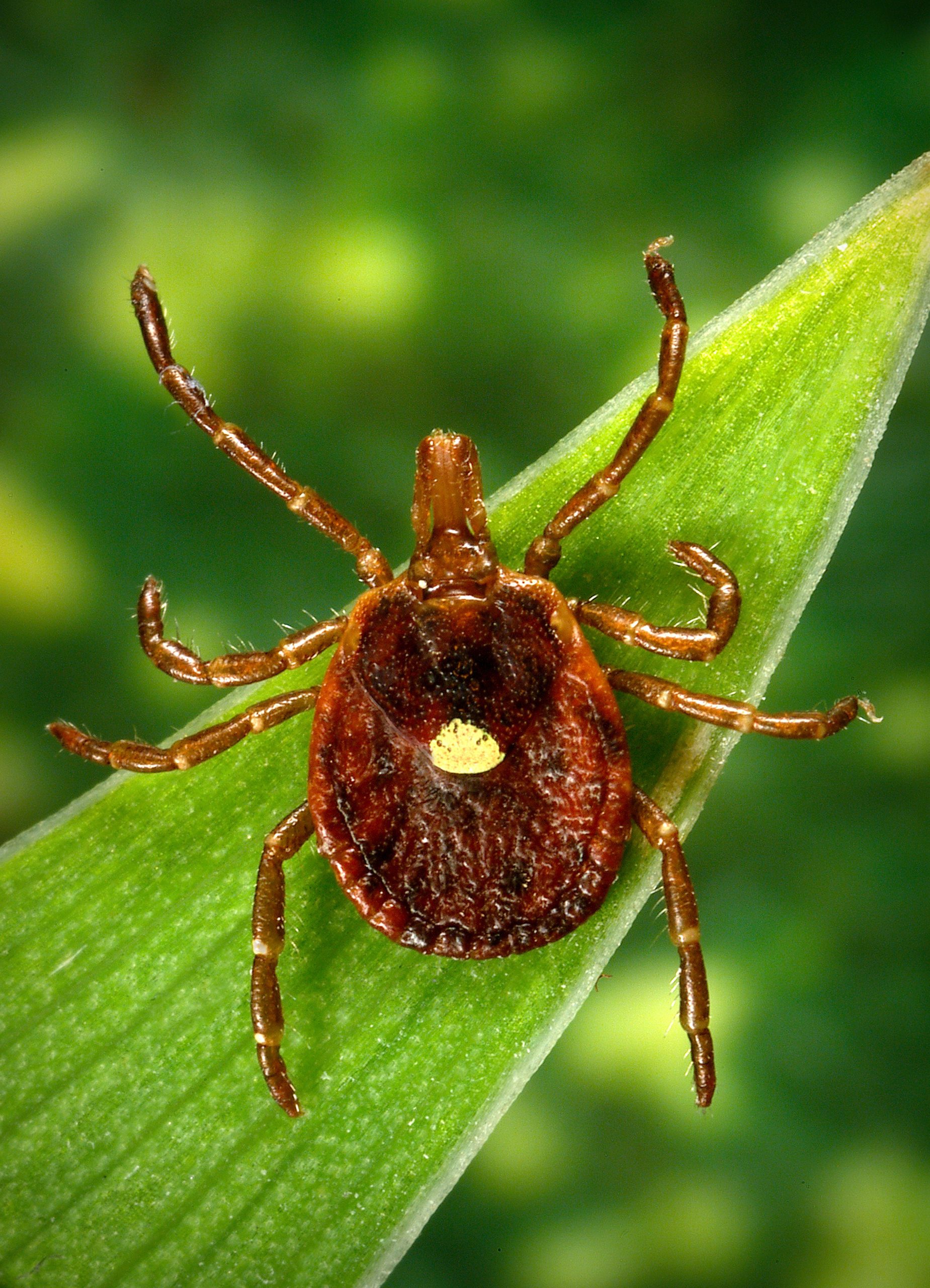
The lone star tick, Amblyomma americanum, is widely recognized on the U.S. mainland, especially in the eastern, southeastern, and south-central states. Adult females are often identified by a single pale spot on the back, the marking that gives the species its common name. That appearance can help field workers sort look-alike ticks, but a firm identification usually depends on closer examination.
On the mainland, the species is treated as more than a nuisance bite. Public-health agencies associate it with several illnesses, including ehrlichiosis, and with alpha-gal syndrome, an allergic condition in which some people later react to red meat and other mammal products. Those associations describe the tick’s known biology elsewhere. They do not, by themselves, show that any of those diseases has been tied to a Hawaii case in this report.
Hawaii’s isolation has long limited which ticks and tick-borne pathogens become established. The islands already contend with other arthropods of medical or agricultural concern, and state surveillance programs routinely watch for species that could arrive with people, pets, livestock, or cargo. A report of a tick not known to occur locally would fit that kind of early-warning work, even when the first alert is only a possible identification.
A single tick, if one has been found, would not automatically mean a breeding population. Establishment depends on suitable hosts, climate, and enough individuals of both sexes to reproduce. Islands can intercept hitchhiking ticks without those animals ever forming a local cycle. Conversely, a missed introduction can be harder to contain once animals in an area are regularly infested.
The FOX Weather item, as summarized in the feed used here, does not name the agency leading the search, quote officials, or give dates, case counts, or a county. Those omissions matter. Readers should treat geographic and medical specifics that are not in the report as unknown rather than as settled facts.
For residents, the practical implication is ordinary tick awareness while specialists determine what, if anything, was found. People who spend time in grass, brush, or around animals are commonly advised to check skin and clothing, remove attached ticks promptly, and seek medical care for unusual symptoms after a bite. Those are general precautions. This report does not describe a confirmed local exposure or a new health advisory.
Travel and trade make occasional introductions plausible. Pets, hunting dogs, horses, and shipped goods can carry ticks between regions, and visitors move constantly between Hawaii and states where the lone star tick is already common. Surveillance is how authorities tell a one-time hitchhiker from a species that is beginning to persist.
What happens next depends on identification and fieldwork that this account does not describe. If the possible tick is confirmed and a location is made public, officials would typically look for more specimens, check nearby hosts, and say whether any disease risk has changed. If the report is not confirmed, the species would remain, as the headline states, not known to exist in Hawaii.
Primary source: Google News Hawaii. Newzly rewrites and structures source reporting for clarity; verify critical details at the original.