Hazardous Driving Conditions for Friday as Met Office Issues Fog Warning
A severe weather warning for dense fog is set to bring hazardous driving conditions and significant travel disruption across parts of the UK ahead of the Friday morning commute.
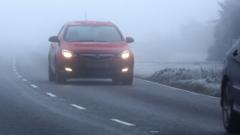
The Met Office has issued a severe weather warning for dense fog across parts of the United Kingdom, cautioning that hazardous conditions will likely impact the Friday morning commute. Forecasters highlighted that thick mist and sharply reduced visibility will create difficult travel environments for motorists setting out early in the day. The official alert underscores the potential for widespread disruption as thousands of commuters take to the roads during peak travel hours.
The yellow weather alert covers significant stretches of the country where sudden drops in visibility are expected to disrupt key transport networks. Forecasters warned that dense fog patches may cause sighting distances to fall below one hundred metres in the most severely affected locations. Such localized reductions in sightlines can pose serious hazards on high-speed motorways and unlit rural roads alike.
Commuters preparing for the end-of-week rush hour have been urged to anticipate significantly slower journey times and remain vigilant behind the wheel. Transport authorities noted that fog banks often form unevenly across open countryside, river valleys, and low-lying motorway corridors. Drivers moving between clear stretches and sudden pockets of dense fog face particular hazards if vehicle speeds are not adjusted promptly.
Road safety specialists and motoring organisations have advised drivers to exercise heightened caution throughout the warning period. Motorists are encouraged to increase following distances behind other vehicles, moderate their driving speed, and ensure lights are used correctly. Officials specifically recommend using dipped headlights alongside dedicated fog lights, while advising drivers to turn off high beams that can reflect off mist and further impair vision.
Beyond road travel, regional transport providers are monitoring local conditions closely for secondary disruptions across wider networks. Reduced visibility around busy transit corridors often slows municipal bus operations, leading to cascading delays along morning routes. Additionally, heavy mist and fog can trigger operational slowdowns at regional airports and train stations where safety protocols necessitate adjusted scheduling.
The meteorological conditions driving this widespread fog stem from a prevailing high-pressure pattern that has brought calm, settled weather to the region. With light winds and mostly clear skies overnight, temperatures at ground level drop quickly, cooling the moisture-laden air near the surface. This radiative cooling process allows thick radiation fog to develop readily and settle over vast areas before sunrise.
Travel experts emphasize that careful preparation and journey planning remain vital when severe weather warnings are active. Commuters relying on public transport services have been advised to inspect real-time departure boards and check operator timetables before departing. Allowing extra journey time can help alleviate travel stress and minimize dangerous rushing on crowded, mist-shrouded roads.
The timing of the weather event intensifies the overall safety hazard, as travel volumes surge precisely when visibility is at its lowest. The convergence of morning school runs, freight logistics, and regular office traffic creates dense road conditions that can quickly exacerbate minor incidents. Even a single collision or breakdown under foggy conditions can rapidly trigger extensive tailbacks across major arterial corridors.
Meteorologists indicate that the dense fog should gradually lift and dissipate as daytime temperatures rise and surface winds gently pick up. In many urban and well-exposed locations, conditions are expected to improve substantially by midday. However, sheltered rural lowlands and river basins may see stubborn mist and overcast skies persist well into the afternoon hours.
With stable atmospheric conditions projected to remain over the region, forecasters caution that similar weather patterns could recur in subsequent overnight periods. Light winds and lingering moisture may once again encourage fresh fog patches to form as night falls heading into the weekend. Travellers and motorists are advised to stay tuned to ongoing Met Office alerts and local weather updates for the latest travel guidance.
Primary source: BBC Science. Newzly rewrites and structures source reporting for clarity; verify critical details at the original.