Hill Council polls deepen Ladakh’s political trust deficit
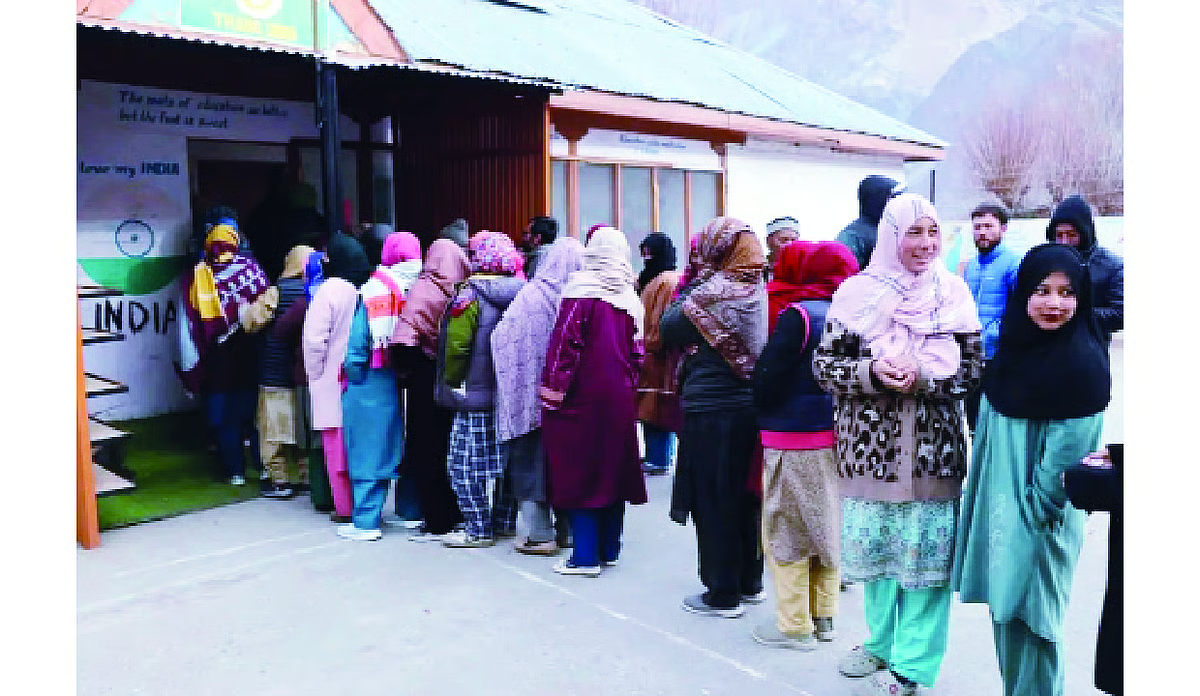
Hill Council elections are deepening a political trust deficit in Ladakh, The Pioneer reports, placing the Union Territory at a crossroads over local representation and longer-running demands for stronger safeguards.
In this piece
The Pioneer frames Ladakh’s Hill Council polls as more than a local contest, arguing they are widening a trust gap over how power is exercised in the Union…
Ladakh is at a political crossroads as Hill Council polls deepen a trust deficit, according to a report by The Pioneer. The paper’s framing treats the elections as a test of confidence in local institutions, not only as a routine contest for council seats.
In that account, the vote is unfolding while many residents remain unsure that electoral participation will change how decisions are made. The trust deficit described in the headline is the distance between casting a ballot and believing the result will carry weight on questions that matter locally.
Ladakh has been a Union Territory since the 2019 reorganization that also changed the status of Jammu and Kashmir. Since then, administration has run through the Union Territory setup, while the hill development councils in Leh and Kargil have continued as the main elected bodies dealing with a range of local development issues. Those councils predate Union Territory status and remain the closest regular forum for many voters.
Because the source material available here does not set out a full results table, turnout figure, or named quotations, this account does not assign winners, margins, or fresh official commitments. What can be said is that The Pioneer presents the polls themselves as sharpening doubt rather than closing it.
The councils’ authority is real but limited. They do not, by themselves, decide Ladakh’s constitutional status, create a legislature, or settle demands that have been voiced in public life since the territory was separated administratively. A council election can still signal whether voters see parties and independents as credible intermediaries with the administration.
That is why the contest matters beyond the council chambers. Land, employment, environment, and the pace of development are recurring local concerns in Ladakh’s high-altitude districts. When people doubt that elected councils can influence those files, a poll can look procedural even if it is formally competitive.
Public debate since Union Territory status has often paired two hopes: closer administration, and fear that local voice would be thinner without stronger safeguards. Discussion of statehood and of constitutional protections, including Sixth Schedule-style arrangements, has been part of that wider argument. This report does not claim any new agreement on those demands.
Leh and Kargil also bring different political histories into the same Union Territory. Hill Council polls are one of the few moments when those differences are expressed through separate elected bodies rather than only through protest or negotiation. How each council is read in New Delhi and at the Union Territory level will shape whether the exercise narrows mistrust or confirms it.
The Pioneer’s warning is therefore institutional as much as electoral. If voters treat the councils as symbolic, mandates lose force. If council leaders are later sidelined on development and political status, the next election inherits a deeper skepticism.
What happens next depends on official declarations, post-poll alignments, and whether council leadership is given a practical role in decisions that residents already associate with the trust gap. Until those steps are clear, Ladakh’s crossroads remains the one The Pioneer describes: a vote held under doubt about whether voting is enough.
Primary source: Google News Ladakh. Newzly rewrites and structures source reporting for clarity; verify critical details at the original.