Hong Kong Marks One Year Since Devastating Fire Killed 168 Across Seven Apartment Blocks
One year after a massive fire tore through seven residential blocks in Hong Kong, claiming 168 lives, grieving families reflect on the tragedy through personal items recovered from the ashes.
In this piece
Hong Kong is marking one year since a catastrophic fire ripped through seven apartment blocks, killing 168 people. Bereaved relatives and survivors continue to…
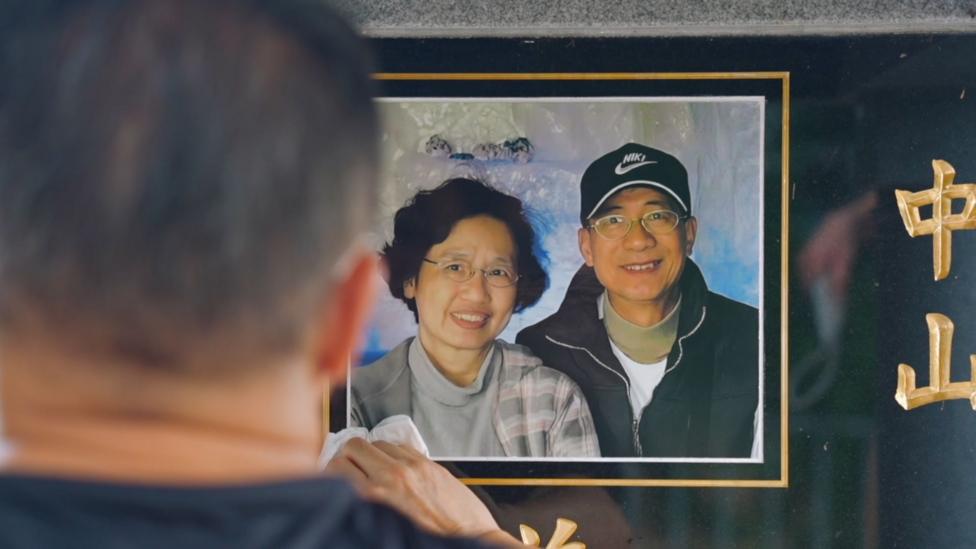
Hong Kong has marked the first anniversary of a catastrophic residential fire that tore through seven apartment blocks, claiming the lives of 168 people. The tragedy remains etched into the collective memory of the territory as one of its deadliest modern residential disasters. Among the personal testimonies marking the somber milestone, a survivor recounted recovering their father's watch from the ashes, its hands frozen at the moment he died.
The recovery of personal relics from the wreckage has provided a painful glimpse into the suddenness with which the inferno claimed lives. For bereaved family members, everyday items retrieved from the charred rubble serve as lasting testaments to loved ones lost in an instant. The stopped timepiece has emerged as a poignant symbol of the tragedy and the abrupt halt it brought to dozens of families' lives.
The inferno rapidly tore through multiple apartment blocks, overwhelming local containment efforts and trapping residents inside their homes. Firefighters and emergency medical personnel had faced extreme heat and complex structural hazards as the flames spread across multiple buildings in close succession. The scale of the destruction displaced numerous residents and triggered an extensive emergency response across the metropolitan area.
A disaster involving the destruction of seven high-rise residential blocks carries profound implications for dense urban centers. High-density residential developments present intricate evacuation challenges during multi-building structural fires, where access routes, ventilation shafts, and external cladding can influence how rapidly heat and smoke travel. The event raised immediate questions regarding fire suppression systems, emergency exits, and multi-unit residential safety standards.
Beyond the structural devastation, the human toll of 168 fatalities continues to weigh heavily on surviving relatives and the broader community. Grieving families have navigated an agonizing year of grief, displacement, and the slow administrative processes of identification and recovery. Local community organizations and social workers have continued to provide psychological and material assistance to those who lost both their homes and their kin.
Major municipal tragedies often prompt extensive inquiries into fire prevention regulations, building management oversight, and structural safety codes. Across the territory, public attention has consistently centered on understanding the specific factors that allowed the fire to transition between separate apartment blocks on so catastrophic a scale. Experts and civic observers have emphasized the necessity of stringent inspections and modern fire-retardant requirements for multi-block housing.
Commemorations marking the one-year milestone have focused on solemn remembrance, offering an opportunity for survivors, neighbors, and the wider public to honor the memory of the deceased. Floral offerings, quiet gatherings, and private tributes have accompanied reflections on the tragedy's lasting social impact. For many who survived the fire, returning to the memories of that day remains an essential yet painful part of their long road to recovery.
One year after the devastating blaze, Hong Kong remains focused on supporting the affected households while addressing the systemic challenges exposed by the disaster. As families continue to mourn the 168 victims, the human accounts of loss preserved amid the ashes highlight the enduring need for vigilance and safety in urban housing. The legacy of the tragedy will ultimately be measured by the steps taken to ensure such a catastrophe is never repeated.
Primary source: BBC Asia. Newzly rewrites and structures source reporting for clarity; verify critical details at the original.