Houthi Attack on Saudi PIF Tower Injures 11 in Second Strike in Six Days
At least 11 people were injured after an attack targeted Saudi Arabia's sovereign wealth fund tower, marking the second strike on the high-profile commercial property by Houthi forces in six days.
In this piece
An attack by Yemen's Houthi movement on Saudi Arabia's Public Investment Fund tower has injured 11 people. The incident represents the second strike targeting…
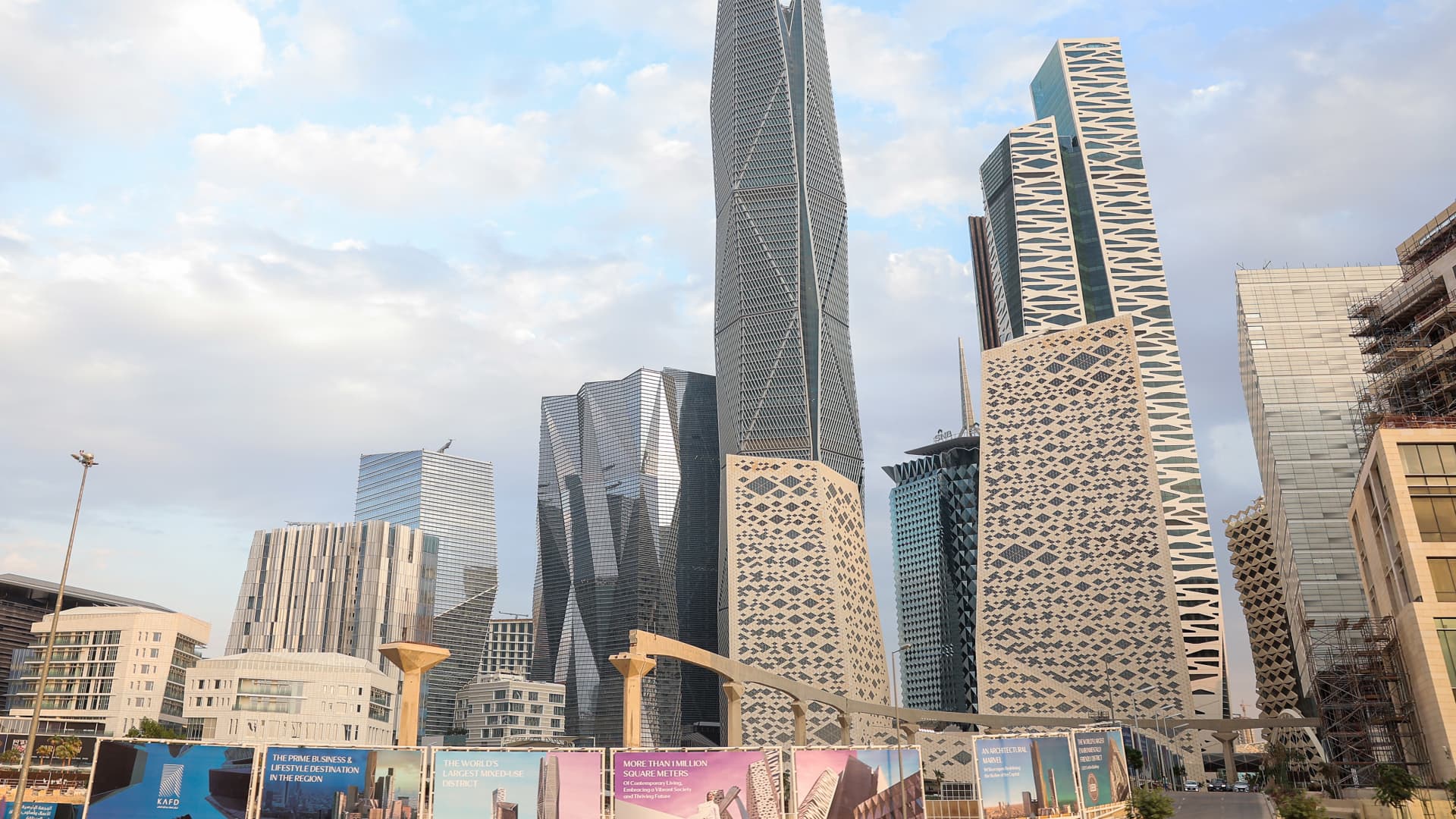
At least 11 people were injured following an attack by the Iran-backed Houthi movement on the Saudi Arabian Public Investment Fund tower, according to reports from CNBC. The strike represents a direct hit on a prominent corporate symbol within the kingdom, sparking immediate safety concerns across the surrounding district. Emergency medical services responded to the scene to treat the wounded and evaluate the immediate aftermath of the incident.
The assault marks the second time in six days that the sovereign wealth fund's tower has come under hostile fire from the group. While the previous strike caused concern among tenants and municipal observers, it concluded without any reported casualties or physical injuries. The latest barrage, however, demonstrates an intensifying tempo of operations directed against high-profile institutional targets.
Authorities and emergency personnel moved rapidly to cordon off the perimeter around the high-rise structure as first responders attended to the scene. Detailed information regarding the precise severity of the injuries sustained by the 11 individuals has not yet been fully disclosed. Investigators are continuing to examine the area to determine the specific flight paths, points of impact, and the full scope of structural harm inflicted upon the premises.
The Public Investment Fund, commonly referred to as the PIF, functions as Saudi Arabia's principal sovereign wealth vehicle and underpins the kingdom's ambitious economic transformation agenda. By directing billions of dollars toward domestic megaprojects and global acquisitions, the fund represents a cornerstone of the nation's financial prestige and state-led modernization efforts. An assault on its physical headquarters sends an unmistakable message aimed at undermining commercial confidence among international investors and corporate partners.
The Houthi movement, which controls substantial territory in Yemen, has long utilized unmanned aerial systems and ballistic munitions against targets across the Arabian Peninsula. Regional security analysts emphasize that repeated operations against commercial establishments reflect broader geopolitical frictions involving Tehran and its regional network of aligned factions. Such incidents regularly coincide with elevated military friction throughout adjacent strategic waterways and international energy corridors.
Striking prominent urban financial infrastructure creates significant operational ramifications for regional commercial activity and cross-border transport. Analysts observe that even limited physical damage to high-profile buildings can sharply elevate corporate insurance premiums and disrupt daily business routines across major metropolitan hubs. Consequently, multinational entities operating in the Gulf tend to recalibrate risk assessments whenever sovereign financial institutions face repeated hostility.
The rapid succession of two targeted attacks within less than a week indicates an aggressive tactical focus by the perpetrators. Security specialists point out that sequential operations are frequently designed to probe air defense readiness and exploit perceived vulnerabilities in protective perimeters. Observers are monitoring whether defensive batteries and surveillance networks will undergo immediate redeployment to shield vulnerable corporate districts from further intrusion.
Diplomatic envoys and regional governments are anticipated to review the implications of the strike as geopolitical stakes continue to escalate across the Middle East. Official statements from Saudi authorities detailing defensive countermeasures, accountability measures, or security enhancements around critical commercial towers remain anticipated. For now, market participants and civilian residents await official guidance regarding the condition of the injured and the ongoing safety of high-density financial districts.
Primary source: CNBC Top News. Newzly rewrites and structures source reporting for clarity; verify critical details at the original.