culture·Pennsylvania·Philadelphia County
How Thanksgiving Football Emerged in the Aftermath of the Civil War
President Abraham Lincoln established Thanksgiving in 1863 to foster national unity, paving the way for a post-Civil War football tradition that grew into a modern commercial juggernaut.
In this piece
Thanksgiving and football grew together in the decades following the Civil War as the nation sought shared traditions to heal deep divides. First played in…
American football has long stood alongside turkey and family reunions as a defining staple of Thanksgiving in homes across the United States. While modern viewers associate the holiday with high-profile National Football League broadcasts and stadium spectacles, the athletic tradition traces back to the aftermath of the American Civil War. The pairing of competitive sports and national reflection was originally forged to help heal a deeply wounded country.
In October 1863, President Abraham Lincoln issued a landmark presidential proclamation establishing Thanksgiving as a regular national holiday. Amid the immense carnage and social fracturing of the Civil War, Lincoln intended the celebration to foster reconciliation, collective gratitude, and civic unity across the fractured states. The decision gave the nation an enduring autumn holiday devoted to gathering and shared identity.
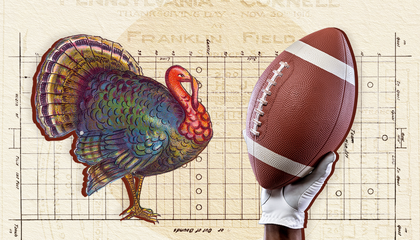
Athletics soon attached themselves to the newly formalized holiday calendar. In November 1869, exactly six years after Lincoln established the observance, athletes played the first recorded Thanksgiving football contest in Philadelphia. This early version of the sport bore little resemblance to the modern professional game, but it established an enduring precedent that intertwined football with the Thanksgiving holiday.
Throughout the late nineteenth century, collegiate programs embraced the holiday as an ideal showcase for high-stakes competition. Landmark rivalries between northeastern universities drew tens of thousands of enthusiastic spectators, transforming Thanksgiving afternoon into a vibrant athletic event. For university communities and urban crowds, attending or following these games rapidly became a beloved autumn ritual.
Both Thanksgiving and the sport of football expanded in tandem with the nation's rapid industrialization and cultural growth. As rail networks and print media connected distant communities, news of holiday matchups reached millions of households across the country. The shared experience of tracking athletic contests helped reinforce a sense of collective culture during an era of sweeping social transformation.
During the twentieth century, professional football emerged and strategically adopted the Thanksgiving window to build its audience. Team executives recognized that families gathered together around radios and early television sets provided a captive, receptive audience for sporting events. By anchoring holiday schedules with marquee teams, professional leagues cemented football into the national Thanksgiving routine.
The National Football League eventually elevated the tradition into a dominant commercial and cultural juggernaut. What began as local exhibitions transformed into multi-network television broadcasts watched by tens of millions of fans every year. The games evolved into a shared communal backdrop, providing common ground for families and friends regardless of their athletic loyalties.
Today, the league continues to expand its Thanksgiving presence, introducing additional broadcast slots, specialized holiday branding, and extensive digital coverage. Executives view the holiday weekend as an indispensable showcase to reach casual viewers and celebrate football history. The celebration has grown from an afternoon diversion into an all-day entertainment marathon across broadcast networks and streaming platforms.
More than a century and a half after the first kickoff, Thanksgiving football stands as a resilient cultural bridge between historical commemoration and modern entertainment. While the scale and commercial power of the games have reached unprecedented heights, the fundamental appeal remains tied to gathering and tradition. As the sport continues to evolve, the holiday ritual remains firmly anchored in the American calendar.
Primary source: Smithsonian History. Newzly rewrites and structures source reporting for clarity; verify critical details at the original.