How to Get Started With Mushroom Foraging in Oregon
With seasonal rains awakening forest floors across the Pacific Northwest, Oregon's thriving mushroom foraging tradition offers beginners a rewarding outdoor pursuit grounded in safety, regional permits, and species identification.
In this piece
Oregon's diverse climates and rich woodlands make it a premier destination for wild mushroom foraging. Beginners can navigate seasonal harvests by mastering…
As autumn rain dampens the forest floor across the Pacific Northwest, Oregon's mushroom foraging season is drawing a growing number of beginners into the woods. The state is widely recognized as one of North America's premier fungal habitats, offering damp coastal rainforests, high-elevation Cascade slopes, and fertile river valleys. Outdoor enthusiasts are increasingly turning to regional woodlands to harvest wild edible fungi, prompting experts to emphasize essential safety standards and proper field preparation.
Before stepping into the forest, novices are advised to ground themselves in fundamental safety practices, starting with the absolute rule of identification. Foragers must never consume any wild specimen without complete, verified certainty of its species, as numerous toxic varieties closely resemble edible varieties. Beginners are encouraged to cross-reference multiple identifying characteristics, including cap texture, stem features, gill anatomy, and spore prints, rather than relying on a single visual glance.
The danger of misidentification in Oregon forests is serious, underscored by the presence of hazardous mushrooms such as the deadly Death Cap, which can flourish beneath broadleaf trees. Mycologists recommend that newcomers avoid trying to master dozens of species at once during their initial outings. Focusing on just one or two readily distinguishable mushrooms helps build field confidence while minimizing the potential for hazardous mistakes.
Among the most beginner-friendly species in the state is the Pacific golden chanterelle, which was designated as Oregon's official state mushroom. Found primarily during the damp autumn months beneath stands of Douglas fir and western hemlock, chanterelles feature distinctive trumpet shapes and warm golden coloring. Unlike poisonous false chanterelles or jack-o'-lantern mushrooms, true golden chanterelles possess blunt, fork-like ridges rather than fragile, papery gills, and they frequently carry a subtle aroma reminiscent of fresh apricots.
Foragers also look forward to spring expeditions, when morel mushrooms emerge across different terrains throughout the state. Morels are recognized by their distinctive honeycomb caps and hollow interiors, which distinguish them from poisonous false morels. These culinary prizes often appear in eastern Oregon pine forests, along riverbeds lined with cottonwoods, and particularly within wildfire burn scars from previous seasons.
Navigating the legal landscape is another vital component of responsible foraging across Oregon's patchwork of public and private acreage. In most national forests managed by the U.S. Forest Service, individuals may gather up to one gallon per day for personal use without purchasing a permit, though regulations can vary by forest district. Foragers looking to harvest larger quantities or collect commercially must obtain specific permits from federal authorities before removing wild stock.
State and national parks impose far stricter regulations, where removing mushrooms, plants, or natural materials is strictly prohibited to preserve delicate native ecosystems. Private timberlands and agricultural holdings likewise require explicit landowner permission before entry. Responsible harvesters follow Leave No Trace principles, avoiding soil disturbance, treading lightly on wet moss, and packing out all personal waste to protect fragile fungal mycelium networks.
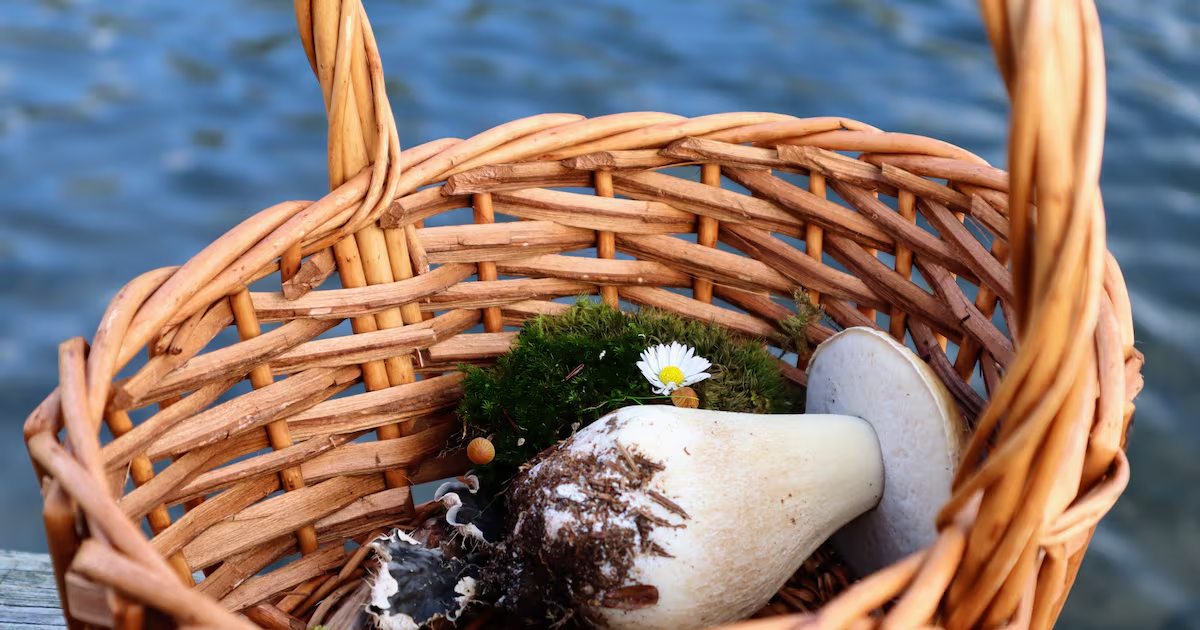
Equipping oneself for the damp woods requires minimal yet functional gear to ensure both safety and specimen preservation. Enthusiasts recommend carrying woven baskets or mesh bags that allow wild spores to disperse across the soil while preventing harvested fungi from sweating and decomposing in plastic. A small folding knife, a soft brush for clearing forest debris, durable waterproof layers, and downloaded offline topographic maps are essential for navigating remote backcountry areas where cellular signals quickly drop.
For those seeking hands-on instruction, Oregon boasts an active network of regional mycology organizations dedicated to public education and ethical harvesting. Groups such as the Oregon Mycological Society in Portland, the Cascade Mycological Society in Eugene, and regional clubs in the Willamette Valley and southern Oregon regularly organize guided identification walks and workshops. These organized forays pair novices with veteran identifiers, offering structured learning that demystifies local biodiversity.
As seasonal rains continue to fuel fungal fruiting bodies across the state, land managers and mycology leaders stress that patience remains the forager's best asset. Beginners who take the time to learn local forest ecology, heed harvesting regulations, and seek expert verification can safely enjoy one of Oregon's most rewarding outdoor traditions. With the right tools and a cautious mindset, the journey from forest path to kitchen table offers an engaging window into the Pacific Northwest's living landscape.
Primary source: Google News Oregon. Newzly rewrites and structures source reporting for clarity; verify critical details at the original.