I-89 in Berlin and I-91 in Hartford Reopen Following Winter Crashes
Northbound Interstate 89 in Berlin and southbound Interstate 91 in Hartford have reopened to traffic after crashes and icy road conditions caused temporary closures across Vermont.
In this piece
Interstate 89 North in Berlin and Interstate 91 South in Hartford have reopened following crash-related closures during icy conditions. Emergency crews cleared…
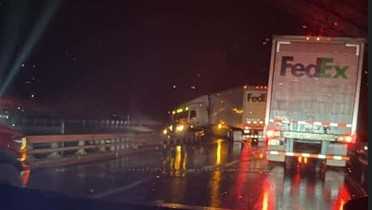
Northbound lanes on Interstate 89 in Berlin and southbound lanes on Interstate 91 in Hartford have reopened following separate highway closures prompted by vehicle crashes and hazardous road conditions, according to reports from regional broadcaster WPTZ. The travel disruptions temporarily blocked traffic along two of Vermont's most vital thoroughfares during an onset of icy winter weather. Authorities were able to restore full access once emergency responders cleared the affected sections of both interstates.
In Berlin, emergency crews were dispatched to Interstate 89 North after a collision shut down the roadway to through traffic. First responders worked at the scene to evaluate the motorists involved, coordinate vehicle removal, and ensure the highway was safe for oncoming traffic. The closure created delays for drivers traveling northward through central Vermont before the lanes could be safely reopened.
Simultaneously, a separate incident disrupted travel along Interstate 91 South in the town of Hartford. Hazardous conditions forced officials to close southbound travel lanes while response teams worked to clear the crash site and treat slippery pavement. Motorists heading south faced detours and temporary gridlock before highway crews concluded on-scene operations.
The dual highway incidents developed amid widespread freezing precipitation that created slick surfaces across Vermont. Cold ground temperatures combined with light freezing moisture often produce dangerous black ice on high-speed roadways. Under these conditions, pavement that appears merely damp can actually present severe traction risks for unsuspecting motorists.
Interstate corridors in northern New England are particularly vulnerable to abrupt changes in winter weather. Elevated overpasses, bridges, and shaded mountain passes regularly freeze before surrounding highway surfaces do. These localized temperature variations frequently catch drivers off guard, increasing the risk of spinouts and secondary collisions.
The disruptions highlight the vital role that Interstates 89 and 91 play in regional connectivity. The two corridors serve as essential conduits for commercial freight, daily commuters, and interstate commerce linking Vermont with neighboring New England states and Canada. When either highway experiences a temporary blockage, traffic inevitably spills over onto secondary routes ill-equipped for heavy volume.
Restoring safe travel required coordinated operations between local emergency personnel, towing services, and road maintenance teams. Winter crash responses typically demand immediate salting and sanding operations to prevent further slide-offs while emergency personnel attend to disabled vehicles. Highway crews work continuously during such weather events to treat known trouble spots and restore standard highway capacity.
Transportation officials emphasize the necessity of defensive driving whenever freezing weather threatens the region. Drivers are advised to reduce cruising speeds, leave ample stopping distance between vehicles, and refrain from sudden steering or braking maneuvers on treated highways. Checking updated state travel advisories prior to departure remains a fundamental safety practice throughout the winter season.
With both I-89 in Berlin and I-91 in Hartford now reopened, traffic flow has resumed along the primary interstate arteries. However, motorists traveling through the region should remain vigilant as cold winter temperatures continue to affect road conditions. Lingering moisture on highway surfaces can refreeze quickly, creating intermittent travel hazards into the evening hours.
Primary source: Google News Vermont. Newzly rewrites and structures source reporting for clarity; verify critical details at the original.