Illinois Officials Probe Apparent Cyberattack on Fox River's Algonquin Dam
State and federal agencies are investigating an apparent cyberattack targeting the Algonquin Dam on the Fox River in northern Illinois, after water resource staff intervened to block unauthorized access and protect operations.
In this piece
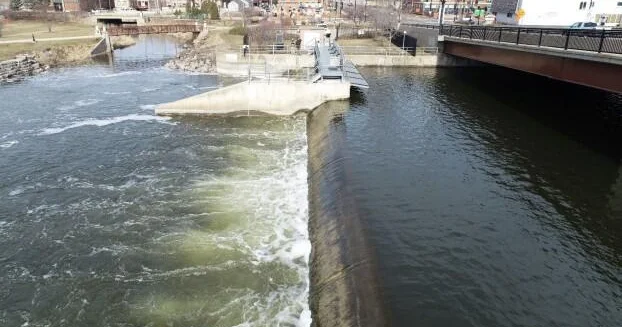
State and federal authorities are investigating an apparent cyberattack targeting the Algonquin Dam on the Fox River in McHenry County, Illinois. Personnel with…
Illinois state officials and federal cybersecurity specialists are actively investigating an apparent cyberattack targeting the Algonquin Dam on the Fox River. The incident was detected on a Monday by personnel monitoring facility systems, prompting swift emergency protocols to counter the unauthorized digital intrusion. Authorities confirmed that prompt intervention averted any operational breakdown at the critical water management site.
The attempted breach was initially discovered by the Illinois Department of Natural Resources Office of Water Resources, which maintains operational oversight of the dam. Upon noticing suspicious activity, staff members acted quickly to sever the unauthorized access points and fortify the facility network. Their intervention successfully preserved all core mechanical and electronic functions of the structure.
State officials emphasized that the incident caused no physical damage and posed no immediate danger to surrounding communities. Water levels along the Fox River remained stable, and the dam continued normal operations without interruption. No emergency evacuations or local downstream flood warnings were required as a consequence of the digital intrusion attempt.
The Algonquin Dam, located in McHenry County, serves a critical regional role in regulating water flow, maintaining navigation, and mitigating seasonal flood risks throughout the Fox River basin. Because dams and related hydrological installations rely heavily on automated and networked control systems, any unauthorized intrusion presents significant technical concerns for safety engineers. Protecting such equipment from remote interference has become a growing priority for regional infrastructure managers.
A multi-agency investigation is currently underway to assess the technical scope and origin of the intrusion. State entities involved include the Illinois State Police, the Illinois Emergency Management Agency, and the Illinois Department of Innovation and Technology. Federal authorities, including the Cybersecurity and Infrastructure Security Agency, are also providing specialized support to analyze network logs and evaluate system vulnerabilities.
Investigators have shared few public details regarding the exact nature of the cyber incident or the technical tactics employed by the intruders. Officials have not disclosed whether the attack was an automated probe, an attempted ransomware deployment, or a targeted effort to manipulate water gates. State spokespersons have maintained confidentiality while forensic teams inspect local hardware and software architectures.
Preliminary findings indicate that the Algonquin Dam incident does not appear connected to any concurrent national technological disruptions or wider outages. Investigators noted that there was no immediate evidence showing a coordinated campaign across other municipal or federal utility networks. However, forensic analysis continues as technical specialists work to verify whether similar probes occurred at other regional facilities.
The incident underscores escalating concerns regarding the cybersecurity posture of municipal and state-level critical infrastructure across the United States. Water treatment plants, municipal utilities, and river dams have increasingly faced probing and intrusion attempts from opportunistic cybercriminals and sophisticated hostile actors. Security researchers frequently warn that legacy industrial control systems can be vulnerable if they are connected to public networks without robust isolation barriers.
In response to rising digital threats against water infrastructure, federal agencies like CISA have routinely urged facility operators to implement rigorous defensive measures. Recommended safeguards include multi-factor authentication, network segmentation between administrative and operational controls, and continuous system monitoring. The rapid response demonstrated by Algonquin Dam technicians illustrates the vital role of alert local personnel in stopping potential operational compromises.
State authorities have stated that technical teams will remain focused on reviewing security protocols and reinforcing defenses across all Illinois water management sites. As the joint investigation proceeds, officials plan to identify any remaining system exposures to ensure sustained operational resilience. Further updates regarding the source and intent of the cyberattack are expected once forensic analysts complete their examination.
Primary source: Google News Illinois. Newzly rewrites and structures source reporting for clarity; verify critical details at the original.