world·Maharashtra·Buldhana District
In Rural Maharashtra, ‘Moin Humanist’ Rebuilds a Village Reading Culture
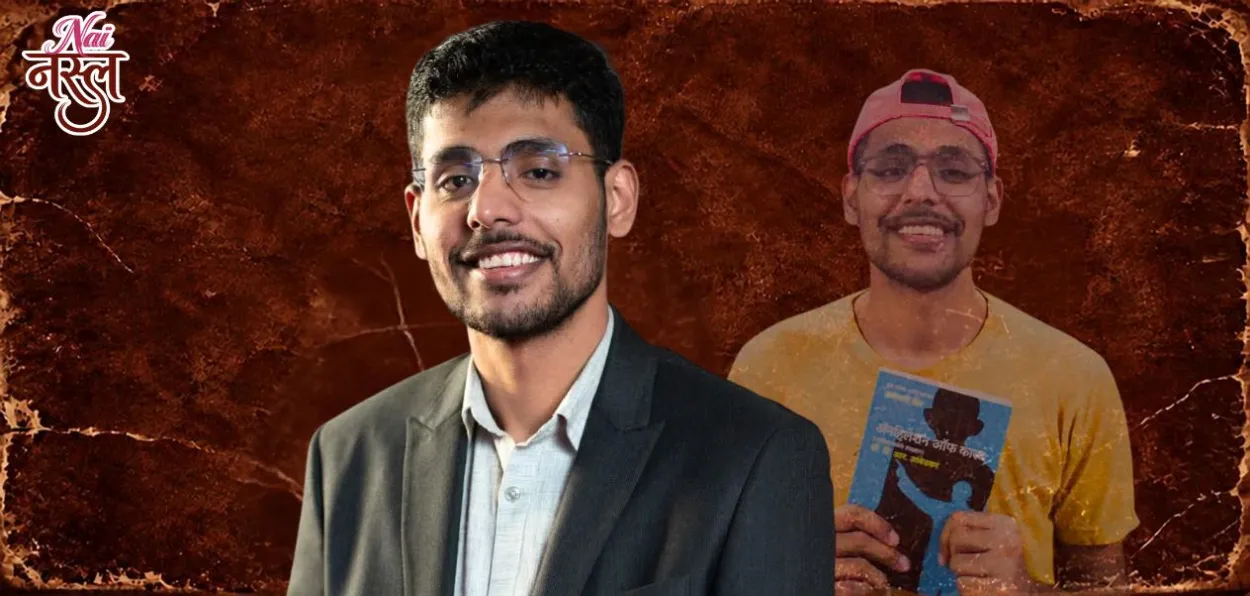
Operating from a small grocery shop in Buldhana, Moin Kabra has launched the Study Bunker Movement. He is sharing his personal library of over 1,300 books and offering free tutoring to underprivileged village youth.
In this piece
Moin Kabra, known locally as Moin Humanist, is reviving the reading culture in Maharashtra's Buldhana district through his grassroots Study Bunker Movement. The…
A grassroots educational movement is gaining momentum across the rural hinterlands of Maharashtra, where a local activist known as Moin Humanist is working to revive the culture of reading among village children. Operating from Sultanpur village in Buldhana district, Moin Kabra has established community-focused spaces to make literature and study materials accessible to underprivileged youth. His efforts aim to counter the growing disinterest in books by creating welcoming local hubs dedicated to learning and intellectual curiosity.
At the center of his campaign is the Study Bunker Movement, an initiative designed to provide students with quiet environments, diverse books, and regular academic mentorship. In rural communities where well-equipped municipal libraries and digital infrastructure remain scarce, the project offers children an alternative space to explore literature beyond the standard curriculum. Local participants gather to read storybooks, study for competitive tests, and discuss social issues in an encouraging setting.
Kabra’s advocacy stems from his own decade-long journey of self-guided education and disciplined study. Over the course of twelve years, he has read more than 1,300 books, developing a broad understanding of history, philosophy, and social science. He attributes his worldview largely to the teachings of social reformer Dr. B.R. Ambedkar and former Indian President Dr. A.P.J. Abdul Kalam, whose writings inspired him to share knowledge with those around him.
His dedication to literature took shape against a backdrop of steep economic hardship. Coming from a modest household where his father worked as a daily-wage laborer and his mother managed the home, Kabra understood firsthand the systemic obstacles that deter rural children from reading. Rather than letting financial limitations narrow his aspirations, he used books as a vehicle for personal growth and community service.
To sustain his household, Kabra operates a small neighborhood grocery shop in Sultanpur, balancing the demands of daily retail work with his community outreach. In between serving customers and managing store inventories, he provides free tutoring to neighborhood schoolchildren who lack academic support at home. His shop has effectively evolved into an informal advice desk where young students can borrow books and seek guidance on their studies.
Education advocates observe that grassroots interventions like the Study Bunker are vital in narrowing the persistent learning divide between urban centers and rural hamlets. In regions where agricultural hardships and financial strain often push families toward early labor, local reading initiatives offer a protective academic buffer. By bringing books directly into the neighborhood, the project fosters critical thinking, improves literacy retention, and encourages young readers to imagine broader professional horizons.
Through routine discussions and reading circles, Kabra encourages youngsters to view books not merely as examination requirements, but as vital instruments for personal liberation and civic awareness. Community members have noted that his approachable presence as a village shopkeeper helps demystify literature for families who previously felt alienated from academic spaces. His sustained grassroots presence has gradually built trust among parents, who now actively encourage their children to spend evenings reading.
Looking ahead, supporters of the initiative hope to formalize and expand the Study Bunker model to neighboring villages across the Lonar taluka and broader Buldhana district. While rural reading advocates emphasize the ongoing need for book donations and dedicated study facilities, Kabra remains focused on his day-to-day mission of mentoring one student at a time. His quiet campaign stands as a testament to how individual conviction can ignite a sustained cultural revival in the heart of rural Maharashtra.
Primary source: Google News Maharashtra. Newzly rewrites and structures source reporting for clarity; verify critical details at the original.