India and China Hold 10-Day Military Talks to Ease Border Tensions in Arunachal Pradesh
Indian and Chinese military commanders held an extended 10-day dialogue to ease border tensions along the Line of Actual Control in Arunachal Pradesh, seeking clear protocols to prevent frontline standoffs before winter sets in.
In this piece
India and China concluded a marathon 10-day round of Corps Commander-level talks aimed at stabilizing the Line of Actual Control in Arunachal Pradesh. The…
India and China have concluded an extended round of Corps Commander-level military dialogue lasting nearly ten days, aimed at easing operational friction along the Line of Actual Control in Arunachal Pradesh. The closely held discussions focused on defusing localized tensions across the eastern sector of the disputed Himalayan frontier. Both sides sought to reinforce bilateral border mechanisms and maintain peace in sensitive frontier sectors.
The negotiations commenced in early November, shortly after the Deepavali festival, and continued over roughly ten days with a brief mid-session recess. The Indian delegation was spearheaded by Lieutenant-General Girish Kalia, General Officer Commanding of the Indian Army's 3 Corps, commonly known as the Spear Corps. Officials from the Ministry of External Affairs also took part in the negotiations alongside senior commanders from the Chinese People's Liberation Army.
Discussions centered on establishing verifiable engagement guidelines to prevent accidental face-offs between frontline troops patrolling contested areas. Negotiators placed significant emphasis on sustaining direct communication channels between local field formations to quickly resolve misunderstandings. Both sides examined operational modalities to manage troop movements and avoid provocative maneuvers in sensitive pockets.
The prolonged engagement marks the second Corps Commander-level meeting convened specifically for the eastern frontier in recent months. An initial round of high-level military talks for the sector took place in September at the Wacha-Damai Border Personnel Meeting point. That earlier session opened formal senior-level military communications in the region following prolonged negotiations primarily centered on the western sector in Ladakh.
The latest round of border negotiations follows reports of friction between patrols in forward areas, notably around Taksing in Arunachal Pradesh's Upper Subansiri district. Overlapping perceptions of the undemarcated Line of Actual Control have periodically triggered close encounters between patrolling units in these remote border valleys. The extended dialogue aimed to address such flashpoints directly to prevent localized tactical skirmishes from escalating into broader strategic crises.
The timing of the discussions was heavily influenced by impending seasonal shifts across the rugged eastern Himalayas. As high-altitude passes freeze over and severe winter conditions take hold, maintaining forward deployments becomes logistically demanding and physically perilous. Clear coordination protocols are vital before heavy snowfall restricts movement and impairs routine ground-level verification.
Stabilizing the eastern frontier has taken on heightened importance as New Delhi and Beijing seek broader stabilization following years of strained bilateral relations. While major disengagement processes advanced along several friction points in eastern Ladakh, security planners on both sides remain keen to ensure that parallel friction does not destabilize the eastern frontier. Clear mutual ground rules are regarded as indispensable for overall deterrence and stability.
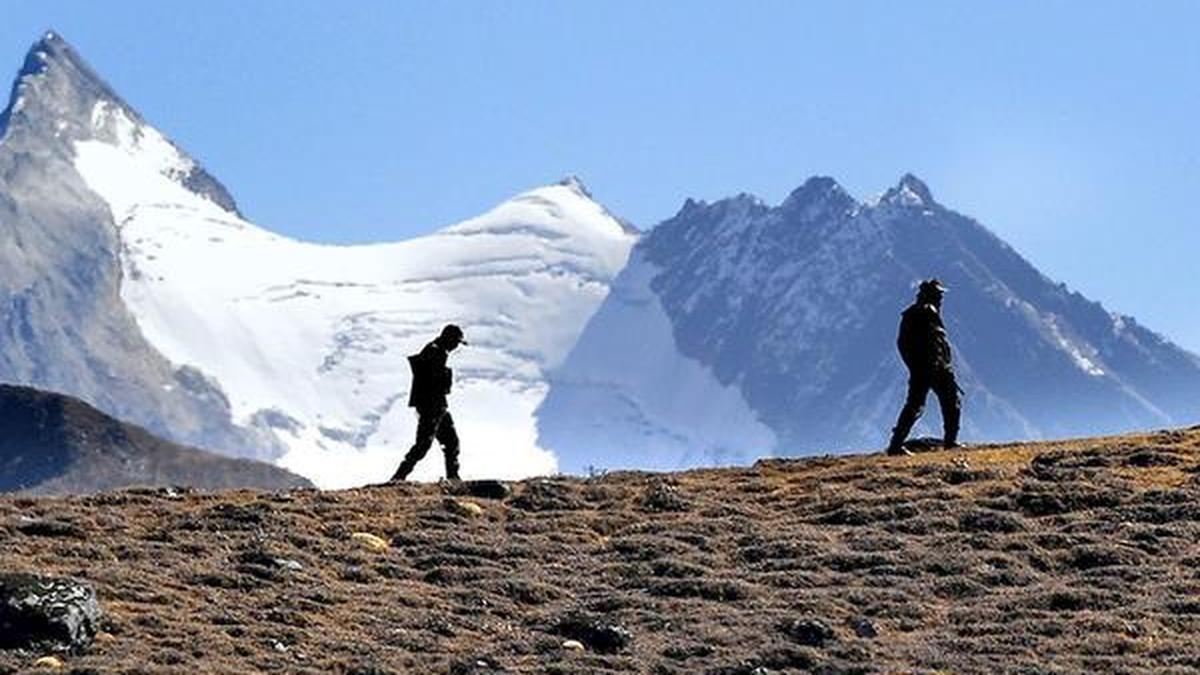
Frontline commanders face complex terrain in Arunachal Pradesh, characterized by dense mountain forests, deep river valleys, and extreme weather variations. In the absence of an agreed physical boundary, both armies conduct regular patrols up to their respective limits of perception. Bilateral mechanisms, including hotline exchanges and scheduled flag meetings, serve as the primary safeguards against unexpected confrontation.
The direct involvement of civilian diplomatic representatives from the Ministry of External Affairs highlighted the dual military-diplomatic framework governing the border process. This coordinated approach ensures that tactical commitments negotiated in the field align with high-level diplomatic agreements between New Delhi and Beijing. Joint oversight provides diplomatic backing to any mutual restraint measures adopted by local military commanders.
Moving forward, both armies are expected to closely monitor the observance of agreed protocols through local Border Personnel Meeting points across the eastern sector. Military authorities will assess whether the extended discussions successfully reduce patrol friction during the upcoming winter months. Continued engagement at both diplomatic and military levels will remain crucial to sustaining tranquil conditions along the eastern frontier.
Primary source: Google News Arunachal Pradesh. Newzly rewrites and structures source reporting for clarity; verify critical details at the original.