world·Delhi·New Delhi District
India Limits Pakistan Minister's Travel to Official SCO Forum
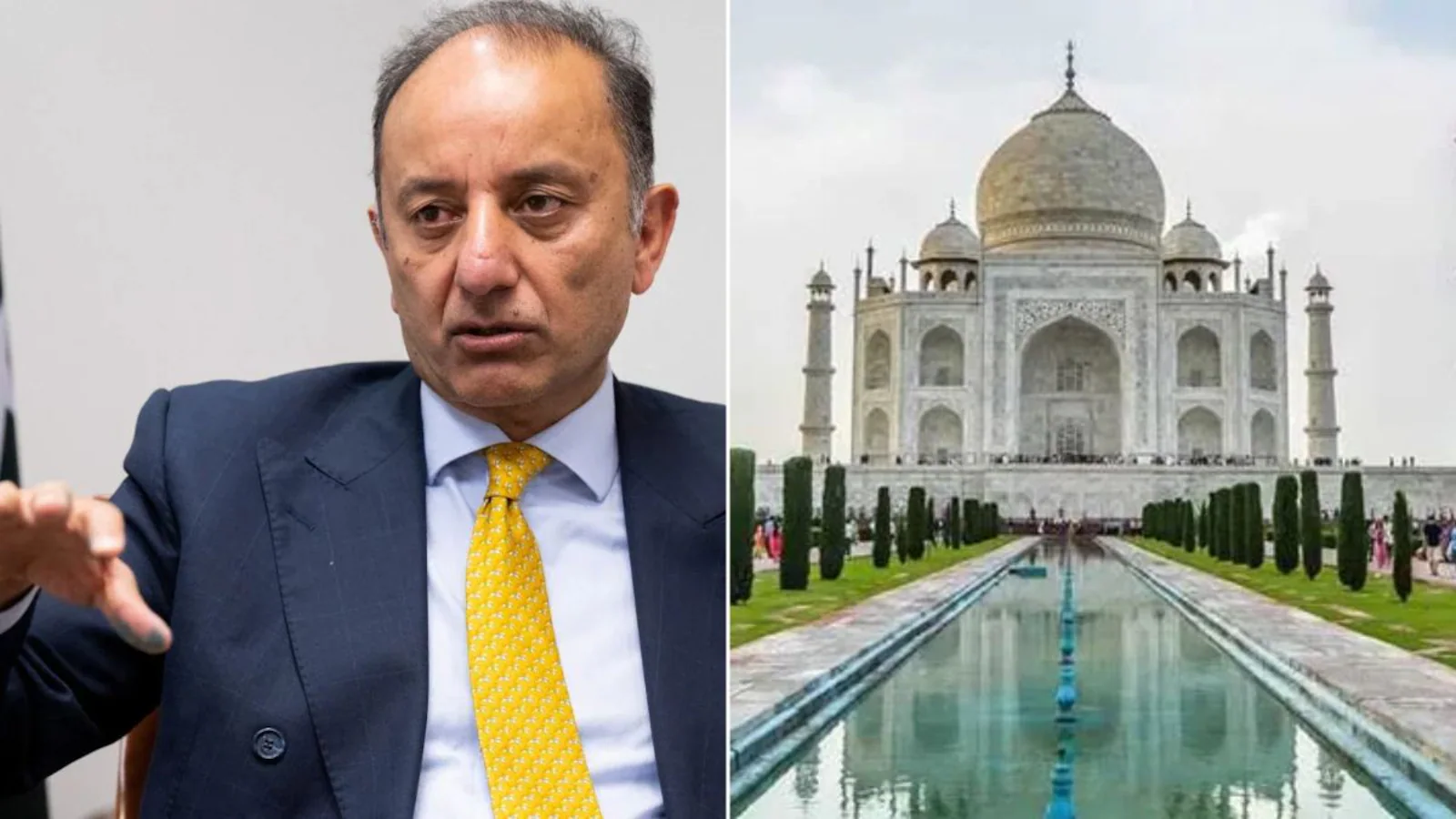
Pakistani Climate Minister Musadik Malik sought clearance to visit the Taj Mahal and Nizamuddin Dargah while attending an SCO forum in New Delhi, but Indian authorities held strictly to conference protocols.
In this piece
India restricted Pakistani Minister Musadik Malik's itinerary to official SCO proceedings in New Delhi following requests to visit the Taj Mahal and Hazrat…
The Indian government has restricted the travel of Pakistani Climate Change Minister Musadik Malik during his official visit to New Delhi, initially limiting his movements to formal conference venues following requests to tour prominent cultural and religious sites. Malik, who traveled to India to attend the Shanghai Cooperation Organisation Civilisational Dialogue Forum, had sought permission to visit the Taj Mahal in Agra and the Hazrat Nizamuddin Dargah in the national capital. Official clearance for personal excursions outside the multilateral summit perimeter was initially withheld, citing visa conditions strictly tied to the diplomatic conference.
According to diplomatic officials familiar with the matter, the Pakistan High Commission submitted requests to Indian authorities seeking logistical arrangements and security clearances for sightseeing stops beyond the conference schedule. While subsequent assessments allowed limited movement under strict supervision, sensitive locations including the bustling 14th-century Sufi shrine of Hazrat Nizamuddin faced sustained restrictions. Indian security protocols for visiting dignitaries from Pakistan remain exceptionally rigorous, requiring precise advance clearance for any itinerary alterations.
Malik's presence marked a rare ministerial travel by a Pakistani government representative to India amid ongoing diplomatic estrangement between the two neighbors. The SCO Civilisational Dialogue Forum, staged at the historic Purana Qila complex in New Delhi, convened delegates from member states to discuss heritage, preservation, and intercultural exchange. Indian Prime Minister Narendra Modi highlighted the summit's broader significance in his address, stating that cultural links represent the strongest guarantee of global stability and mutual understanding.
Modi emphasized that the civilizational gathering was not merely a ceremonial platform, but a vital forum capable of offering constructive direction to an increasingly divided world. Indian officials maintained that hosting multilateral events under the SCO charter obligates member states to accommodate delegations from all participating countries. Diplomatic sources reiterated that participation in multilateral summits does not equate to a resumption of structured bilateral dialogue between New Delhi and Islamabad.
The visit also brought renewed attention to broader bilateral frictions, prompting the Ministry of External Affairs to clarify India's geopolitical posture. When questioned about potential discussions on pending water disputes during the visit, MEA spokesperson Randhir Jaiswal stated there was absolutely no change in India's position concerning the Indus Waters Treaty. India has sought formal modifications to the decades-old treaty framework to address contemporary security, demographic, and clean-energy realities.
Domestically, the minister's arrival drew attention across the Indian political spectrum, particularly in Jammu and Kashmir. Leaders including Jammu and Kashmir Deputy Chief Minister Surinder Kumar Choudhary suggested that accommodating Pakistani officials at cultural forums vindicated regional arguments favoring engagement and dialogue. Indian government representatives swiftly rejected claims that the multilateral participation signaled any shift in state policy, emphasizing the strict operational divide between international obligations and bilateral ties.
Direct diplomatic exchanges between India and Pakistan have remained essentially frozen for years following cross-border security challenges and New Delhi's 2019 constitutional changes in Jammu and Kashmir. High-level visits between the two countries have been almost entirely restricted to mandatory regional forums such as the SCO, which mandates multilateral access for all member governments. As a result, every movement, visa condition, and informal request by visiting representatives is treated with extreme scrutiny by security establishments on both sides.
Travel permissions for Pakistani dignitaries visiting Indian cities typically adhere to predetermined routes, with unplanned detours to densely populated public or religious landmarks routinely discouraged. Officials pointed to logistically complex environments like Hazrat Nizamuddin, where public density and elevated security requirements present significant operational hurdles during high-profile diplomatic trips. Even iconic monuments like the Taj Mahal, situated roughly two hundred kilometers from the capital, require extensive multi-agency coordination before any visiting foreign delegation can be accommodated.
As the SCO proceedings conclude, Malik is scheduled to return to Islamabad without engaging in bilateral discussions with his Indian counterparts. Both governments continue to maintain firm stances on foundational disputes, ranging from counter-terrorism demands to international resource management. While multilateral forums offer occasional glimpses of diplomatic interaction, analysts and officials agree that any meaningful restoration of bilateral diplomacy remains a distant prospect.
Primary source: Google News India. Newzly rewrites and structures source reporting for clarity; verify critical details at the original.