India Opt to Bowl First Against New Zealand in 1st Test as Mohammed Siraj Misses Out
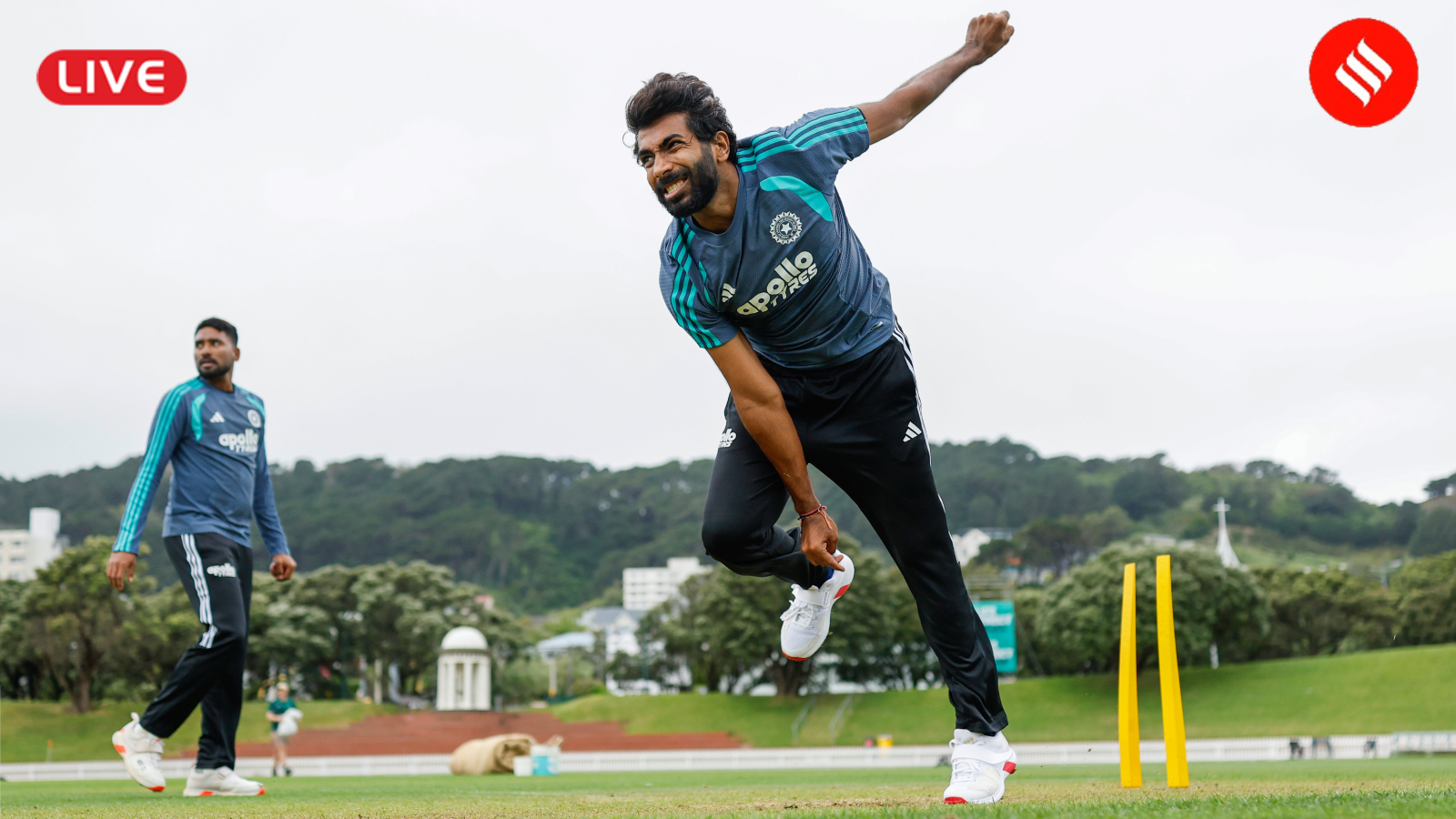
India elected to bowl first against New Zealand in the opening Test at the Basin Reserve, with frontline pacer Mohammed Siraj omitted from the playing XI.
In this piece
India has opted to bowl first against New Zealand in the opening Test match at the Basin Reserve. The visitors made a notable selection adjustment by leaving…
India chose to bowl first against New Zealand in the opening Test match, opting to make immediate use of early bowling conditions at the Basin Reserve. The decision set an assertive tone for the visiting side at the start of the series opener. According to match reporting from The Indian Express, the team confirmed its lineup at the toss as live updates from the ground commenced.
The most prominent development from the team sheet was the exclusion of fast bowler Mohammed Siraj from India's playing eleven. Leaving the frontline pace bowler out of the starting lineup marked a significant tactical adjustment as the match got underway. The move instantly sparked discussion among supporters and analysts monitoring the team selection.
With the first session underway, the choice to field first aligns with traditional approaches at the Basin Reserve, where fresh pitches frequently assist fast bowlers early in the game. Moisture in the surface and breezy conditions at the venue typically offer lateral movement for seamers with the new ball. India will be eager to exploit any early assistance to disrupt the host batting order before conditions ease.
Siraj has regularly served as an integral part of India's multi-format bowling setup, known for his work rate, hostility, and ability to extract bounce. His omission suggests a deliberate shift in strategy, potentially influenced by pitch assessment, balance considerations, or managing bowler workloads. Without him in the attack, additional responsibility falls on the selected bowlers to maintain pressure and strike with the new ball.
For New Zealand, being asked to bat first presents an immediate examination of top-order discipline and technique against an assertive visiting bowling unit. Navigating the initial overs without significant loss is crucial for establishing stability on day one of a Test. Host batters will need to withstand the initial examination before looking to score freely as the ball loses its hardness.
Every opening fixture in a Test series carries immense weight for momentum and long-term planning across multiple days of competition. A strong start can set the psychological standard for the remainder of the tour, whereas early setbacks often require difficult recoveries. Both camps are aware that early sessions frequently set the rhythm for the entire contest.
As play develops, the effectiveness of India's bowling combination will be scrutinized closely by observers tracking the impact of the selection choices. How quickly the seamers settle into consistent channels will determine whether opting to bowl first pays immediate dividends. Control over the scoring rate and creating wicket-taking opportunities will remain the primary benchmarks throughout the opening day.
Live match coverage and scorecard updates continue to monitor the proceedings as both teams settle into the rhythm of the first Test. Further insights regarding team strategy, pitch behavior, and player performances are expected as the day unfolds at the Basin Reserve. The subsequent sessions will reveal whether India's bold lineup decisions and fielding choice deliver the anticipated breakthrough.
Primary source: The Indian Express. Newzly rewrites and structures source reporting for clarity; verify critical details at the original.